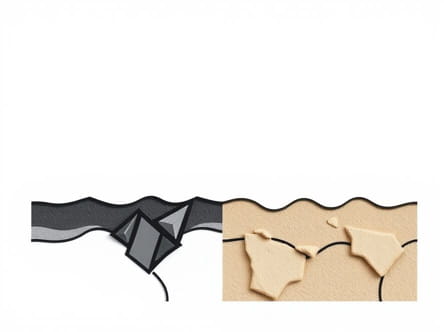
Over long periods of time, the Earth’s surface changes constantly due to natural processes. Two of the most fundamental processes responsible for shaping landscapes are weathering and erosion. Although they are often mentioned together and closely related, they are not the same thing. Understanding the difference between weathering and erosion is important in the study of geology, geography, and environmental science. Each process contributes uniquely to the transformation of the Earth’s features, influencing soil formation, landforms, and even human activity.
Definition and Basic Concepts
What Is Weathering?
Weathering is the natural process by which rocks and minerals break down into smaller pieces over time due to physical, chemical, or biological forces. This process happens in place meaning that the rocks are broken down without being moved. Weathering changes the structure and composition of rocks but does not transport the broken material elsewhere.
Types of Weathering
- Physical WeatheringAlso called mechanical weathering, this involves the breaking of rocks into smaller pieces without changing their chemical composition. Common causes include freeze-thaw cycles, temperature changes, and pressure release.
- Chemical WeatheringIn this type, the chemical structure of rocks is altered. Reactions with water, oxygen, carbon dioxide, or acids lead to the formation of new minerals and weakened rock structures.
- Biological WeatheringCaused by the activities of living organisms such as plant roots, fungi, and lichens, which can break apart rocks or alter their composition.
What Is Erosion?
Erosion is the process by which soil, rock, or sediment is removed from one location and transported to another by natural agents like wind, water, ice, or gravity. Unlike weathering, erosion involves movement. Erosion reshapes the landscape by wearing away landforms and depositing materials elsewhere, such as riverbanks, coastlines, or deltas.
Agents of Erosion
- WaterRivers, rainfall, and ocean waves can carry sediments and carve valleys or cliffs.
- WindEspecially in dry, desert environments, wind can pick up and move loose ptopics, forming dunes or eroding rock faces.
- IceGlaciers move slowly but carry enormous amounts of rock and debris, sculpting mountains and valleys.
- GravityLandslides and rockfalls caused by gravity also contribute to erosion by moving material downhill.
Key Differences Between Weathering and Erosion
1. Movement of Material
The most fundamental difference between weathering and erosion is movement. Weathering is a static process it breaks down rocks where they are. Erosion, on the other hand, involves the transportation of broken-down material from one place to another.
2. Process Timing and Interaction
Weathering usually occurs before erosion. Rocks are first weakened or broken apart by weathering, making them more vulnerable to erosion. For example, a cliff face that is cracked by freeze-thaw cycles (weathering) will eventually collapse and be carried away by rainwater or wind (erosion).
3. Natural Forces Involved
While both processes are driven by natural forces, they differ in mechanisms. Weathering is driven by atmospheric and biological conditions such as temperature, moisture, plant roots, or chemical reactions. Erosion depends more on external movement agents like water, wind, ice, or gravity.
4. Result and Impact
Weathering leads to the disintegration and decay of rock. Its result is usually loose sediment, soil, or mineral ptopics. Erosion, in contrast, changes the shape of the Earth’s surface more visibly. It can create valleys, riverbanks, cliffs, and other major landforms by transporting material from one region to another.
Examples to Illustrate the Difference
Mountain Environment
In mountainous areas, weathering may occur when water seeps into cracks in rocks, freezes, and expands. Over time, the rocks split into smaller pieces. This is weathering. When rainwater washes the fragments down the slope into a river, that’s erosion. The river may carry the ptopics hundreds of miles away.
Desert Landscape
Rocks in the desert often break apart due to intense heating during the day and cooling at night, a form of physical weathering. Wind then picks up the sand-sized ptopics and moves them across the land, sometimes forming dunes. The movement caused by wind is erosion.
Coastal Regions
Saltwater can chemically weather rocks along the coast, slowly dissolving them. At the same time, waves crashing against the shore erode the softened rock and carry it away. The two processes often work together to reshape the coastline.
Why the Difference Matters
In Geology and Geography
Understanding how weathering and erosion work helps scientists interpret the past and predict future changes. For instance, identifying patterns of weathering helps geologists understand soil composition, while erosion studies reveal how rivers or glaciers shape valleys and plains.
In Agriculture and Land Use
Farmers and environmental planners need to know how both weathering and erosion affect soil health. Weathering helps form fertile soil, but erosion can strip topsoil away, making the land less productive. Preventing excessive erosion is a key part of sustainable land management.
In Climate and Environmental Studies
Climate influences both weathering and erosion. Wetter climates tend to accelerate chemical weathering and water erosion, while dry areas experience more wind erosion. Understanding these processes helps in predicting the effects of climate change on different regions and landforms.
How Humans Influence Weathering and Erosion
Deforestation and Agriculture
Removing vegetation exposes soil and rock to the forces of erosion. Without plant roots to hold soil together, rain can easily wash it away. Over time, this can lead to the degradation of land and reduced agricultural productivity.
Urbanization and Construction
Building roads, cities, and infrastructure often involves breaking rock (mechanical weathering) and removing large amounts of earth. Construction increases the risk of erosion, especially if drainage systems are poorly designed or natural barriers like forests are removed.
Mining and Quarrying
Mining operations expose rock surfaces to air and water, accelerating both physical and chemical weathering. At the same time, waste material and disturbed land can easily be eroded, carrying pollutants into rivers and ecosystems.
Weathering and erosion are two essential natural processes that shape the Earth’s surface. While weathering breaks rocks down in place through physical, chemical, or biological means, erosion is responsible for transporting that material elsewhere. They often work together, with weathering weakening rocks and erosion removing the debris. Understanding the difference between weathering and erosion is crucial for geologists, environmental scientists, and anyone interested in how the Earth changes over time. From mountain peaks to river valleys, these processes leave their mark on the world around us.