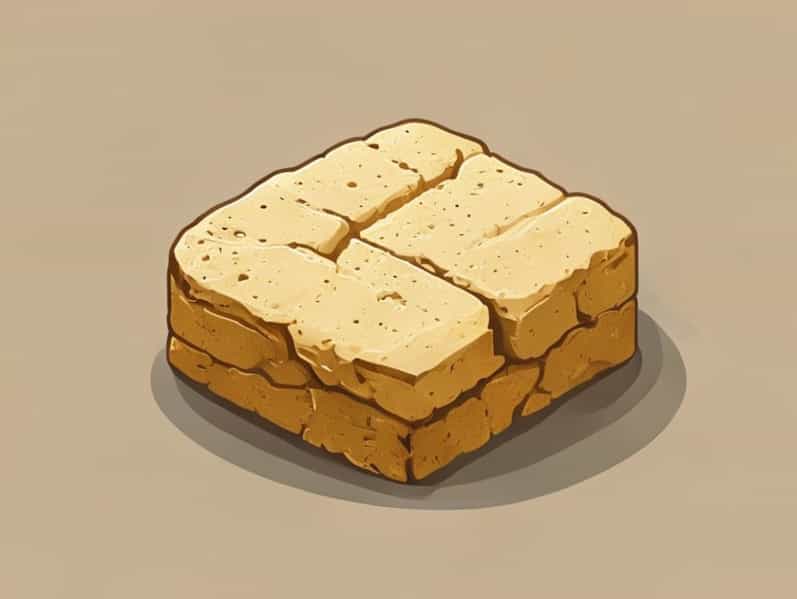
Hardtack is a simple, long-lasting type of biscuit made from flour, water, and sometimes salt. Known for its durability and historical significance, hardtack was a staple food for sailors, soldiers, and pioneers during long journeys when fresh food was scarce. Because of its minimal ingredients and extremely low moisture content, hardtack is often considered nearly indestructible, leading many people to wonder if it can ever go bad. Understanding the shelf life of hardtack, the conditions that may affect its longevity, and how to store it properly is important for anyone interested in survival food, historical reenactments, or emergency preparedness.
What Is Hardtack?
Hardtack, sometimes referred to as ship’s biscuit or pilot bread, is a simple baked product designed to last for months or even years without refrigeration. Its main ingredients are flour, water, and sometimes salt. It is baked multiple times to remove almost all moisture, which prevents bacterial and mold growth. Historically, hardtack was used extensively during wars, sea voyages, and long expeditions because it could be stored for long periods and transported easily. Its hardness and bland taste earned it a reputation as a food of necessity rather than enjoyment.
Historical Importance of Hardtack
- During the American Civil War, soldiers relied on hardtack as a primary source of sustenance during campaigns and marches.
- Sailors on long sea voyages used hardtack because it could survive months in storage without spoiling.
- Pioneers and explorers included hardtack in their provisions due to its long shelf life and compact storage.
These examples highlight hardtack’s role as a durable, reliable food source in situations where fresh food was unavailable.
Does Hardtack Go Bad?
Technically, hardtack can go bad, but it is highly resistant to spoilage due to its extremely low moisture content. Unlike fresh bread or other baked goods, hardtack has almost no water to support mold or bacterial growth. This means that under proper storage conditions, hardtack can last for years or even decades. However, exposure to moisture, pests, or extreme environmental conditions can compromise its quality and safety. Understanding the conditions that affect hardtack’s shelf life is essential for ensuring it remains edible.
Factors That Can Cause Hardtack to Go Bad
- MoistureHardtack’s main vulnerability is water. If exposed to humidity or direct contact with liquid, it can soften, mold, or develop an unpleasant taste.
- PestsRodents, insects, or other pests can contaminate hardtack, especially if it is stored in unsecured containers.
- Storage ConditionsHigh temperatures, sunlight, and fluctuating environmental conditions can weaken hardtack over time, leading to crumbling or staleness.
- ContaminationHandling hardtack with unclean hands or utensils can introduce bacteria or mold spores, which may reduce its shelf life.
Signs That Hardtack Has Gone Bad
While hardtack is highly resilient, it is important to inspect it before consumption, especially if it has been stored for long periods. Signs that hardtack may have gone bad include
- Mold growth or unusual discoloration on the surface.
- Strong, off-putting odors indicating bacterial or fungal contamination.
- Excessive softness or moisture, suggesting exposure to water or high humidity.
- Presence of pests, holes, or insect damage.
If any of these signs are present, it is best not to consume the hardtack, as it may pose a health risk.
Proper Storage for Maximum Shelf Life
To ensure hardtack remains edible for as long as possible, proper storage is essential. The key factors for long-term preservation are keeping it dry, protected, and in a stable environment.
Tips for Storing Hardtack
- Keep hardtack in airtight containers to prevent moisture from getting in.
- Store in a cool, dry place away from direct sunlight and heat sources.
- Use vacuum-sealed bags for long-term storage to extend shelf life further.
- Check storage areas for pests and ensure containers are secure from rodents and insects.
- Label containers with the date of preparation to monitor shelf life over time.
Following these storage practices can allow hardtack to remain safe and edible for years, making it an excellent emergency or survival food option.
Using Old Hardtack
Even if hardtack has been stored for a long time, it can often be eaten safely if it shows no signs of spoilage. Historically, soldiers and sailors would soften hardtack by soaking it in water, coffee, or soup to make it more palatable. This practice can be applied to modern hardtack, making it easier to chew and digest while maintaining its long-lasting qualities. While flavor may degrade slightly over time, properly stored hardtack is still nutritious and safe to consume.
Ways to Consume Hardtack
- Soaking in water or milk to soften for easier eating.
- Crumbing over soups or stews as a crunchy topping.
- Using as a base for spreads, such as peanut butter or jam, for added flavor.
These methods make even aged hardtack enjoyable while preserving its historical and practical significance.
hardtack is an extremely durable food that can last for years when stored properly. While it can technically go bad, it is highly resistant to spoilage due to its low moisture content. Proper storage, including keeping it dry, protected from pests, and in stable conditions, is key to maintaining its long-term usability. Signs that hardtack has gone bad include mold, off odors, moisture, and pest damage. Historically and today, hardtack remains a valuable food source for survival situations, long trips, or historical reenactments. By understanding how to store and handle hardtack, anyone can enjoy this long-lasting, versatile food for years without worrying about spoilage.