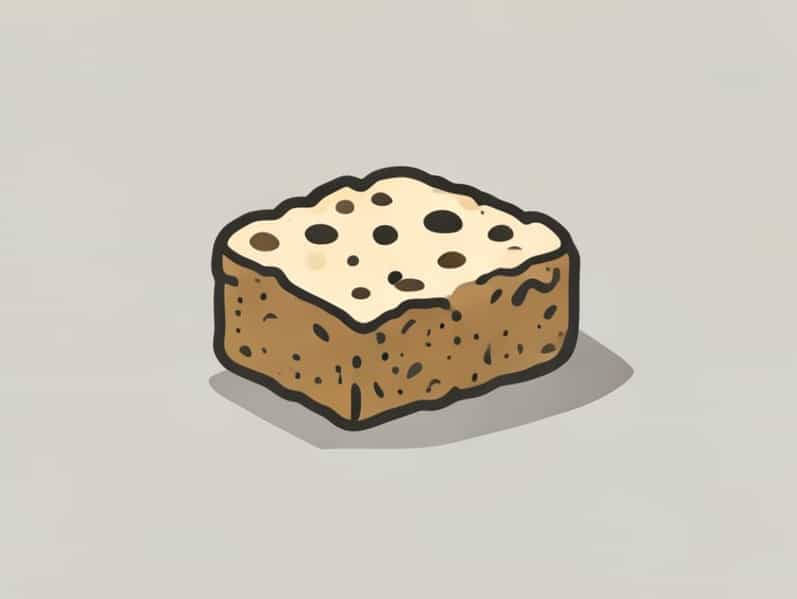
Hardtack is one of the simplest and most durable foods ever made. Known as a survival biscuit, it has been used by sailors, soldiers, and explorers for centuries. Made from only flour, water, and sometimes a bit of salt, hardtack is baked until it becomes completely dry and hard. Because of its simplicity and lack of moisture, many people wonder does hardtack last forever? The answer is not exactly forever, but it can last for decades or even centuries if stored properly. Understanding how hardtack is made, how it lasts, and what can make it spoil provides insight into why it remains a remarkable example of long-lasting food preservation.
What Is Hardtack?
Hardtack is a type of simple biscuit or cracker made from a mixture of flour and water, baked until it becomes completely hard and dry. It was historically used as a staple food for long voyages, military campaigns, and situations where fresh food was unavailable. Hardtack goes by different names in various countries ship’s biscuit, pilot bread, or army bread.
Its primary advantage lies in its durability. Because it contains no fat, sugar, or yeast, it has little that can spoil over time. When stored in airtight containers away from moisture, hardtack can last for decades without rotting or molding.
How Long Can Hardtack Last?
When people ask if hardtack lasts forever, they are usually amazed at its historical reputation for longevity. The truth is that hardtack can last for an extremely long time sometimes even more than a hundred years but forever is an exaggeration. The key factor that determines its shelf life is how dry it remains. Moisture is the main enemy of hardtack. If it absorbs water from the air, it becomes soft, grows mold, and eventually spoils.
Properly made and stored hardtack, however, can survive for many decades. There are documented cases of hardtack from the American Civil War (1861 1865) still existing in museums today. While it is no longer recommended to eat those centuries-old samples, they show that under ideal conditions low humidity, no pests, and sealed storage hardtack can outlast most foods.
Historical Evidence of Longevity
During the 19th century, hardtack was a major ration for sailors and soldiers because it could last throughout long voyages or campaigns without refrigeration. Some Civil War soldiers reported eating hardtack that was already several years old. These biscuits were often so hard that soldiers had to soak them in water, coffee, or soup before eating them. The fact that hardtack from that era can still be found intact today proves how remarkably long-lasting it is.
Why Hardtack Lasts So Long
The longevity of hardtack comes down to its simplicity and dryness. The recipe usually consists of just three ingredients
- Flour Provides the structure and carbohydrates for energy.
- Water Used to form the dough and then completely baked out during cooking.
- Salt (optional) Adds a bit of flavor and helps prevent microbial growth.
Once mixed, the dough is rolled out, cut into squares, and baked at a low temperature for a long time until all the moisture is removed. The result is a rock-hard biscuit that is too dry for bacteria or mold to thrive in. Because microorganisms require moisture to grow, the dryness of hardtack effectively halts the spoilage process.
Key Factors That Affect Shelf Life
While hardtack can theoretically last indefinitely, certain factors can shorten or extend its lifespan
- MoistureExposure to humidity or damp air can make hardtack soft and cause mold to grow.
- Storage ContainerAirtight containers such as glass jars or sealed metal tins help preserve dryness.
- TemperatureA cool, stable temperature helps prevent condensation or humidity from affecting the biscuit.
- PestsInsects such as weevils can infest flour-based foods, especially if not sealed tightly.
- IngredientsThe purer the recipe (only flour and water), the longer the hardtack will last. Added fats or sugars reduce shelf life.
With these conditions met, hardtack can easily last for several decades and still be edible when rehydrated or softened.
Does Hardtack Ever Go Bad?
Although it seems immortal, hardtack is not truly everlasting. Over time, even the driest hardtack can degrade slightly due to environmental factors. Humidity and insects are the most common causes of spoilage. If hardtack is exposed to air, it can absorb moisture, leading to mold growth or a musty odor. In humid climates, this can happen within months if not properly stored.
In some cases, hardtack may remain edible but change in texture or taste. After many years, it may become extremely hard hard enough to crack teeth if not softened before eating. For this reason, most people who make or store hardtack for emergency supplies periodically check it and bake it again to ensure it stays dry.
How to Tell If Hardtack Has Spoiled
Signs that hardtack has gone bad include
- Visible mold growth or discoloration on the surface.
- Softness or flexibility indicating moisture absorption.
- Unpleasant or sour smell.
- Presence of insects or larvae.
If any of these signs appear, it’s best to discard the biscuit. Even though hardtack is meant to last, spoiled hardtack is unsafe to eat.
How to Store Hardtack for Maximum Longevity
For those who want to make their own hardtack for survival kits, hiking, or emergency rations, proper storage is crucial. To make it last as long as possible, follow these tips
- Ensure the hardtack is completely dry after baking. You can even bake it a second time at a low temperature to remove remaining moisture.
- Allow the hardtack to cool completely before sealing it in containers to avoid trapping condensation.
- Store in airtight containers such as vacuum-sealed bags, glass jars, or metal tins.
- Keep it in a cool, dark, and dry place away from sunlight and humidity.
- Check the biscuits once or twice a year for any signs of moisture or pests.
By following these steps, hardtack can remain in edible condition for decades, making it one of the best long-term survival foods available.
Uses of Hardtack Today
While it is no longer a common food for daily use, hardtack still finds a place in modern life. Survivalists, preppers, and outdoor enthusiasts often make and store hardtack for emergencies. It provides a long-lasting source of calories in situations where refrigeration or fresh food may not be available.
Some people enjoy hardtack as a historical curiosity, baking it to experience what sailors and soldiers of the past ate. Museums and historical reenactments often display or recreate hardtack to show how essential it was to past survival efforts. In some regions, commercial versions of hardtack like pilot bread are still sold as snack crackers or emergency rations.
Can Hardtack Truly Last Forever?
In theory, if hardtack remains completely dry and sealed from air and pests, it could last almost indefinitely. There are historical examples supporting this idea, such as century-old hardtack that remains intact. However, forever is a long time, and environmental factors eventually cause even the hardest biscuit to degrade.
Realistically, the shelf life of properly stored hardtack can range from 25 years to over 100 years under ideal conditions. Its ability to survive that long without refrigeration or preservatives makes it one of the most durable foods ever created. But to last truly forever, it would have to be kept in an environment completely free from moisture, air, light, and bacteria something nearly impossible outside of controlled laboratory conditions.
Hardtack may not last forever, but it comes remarkably close. Its simple recipe and total dryness give it an extraordinary lifespan unmatched by most foods. When kept away from moisture and sealed tightly, hardtack can last for decades or even centuries. This durability made it a trusted companion for sailors, soldiers, and explorers throughout history. Today, it remains a fascinating example of how simplicity and good preservation can create food that truly stands the test of time. While no food is eternal, hardtack proves that with the right preparation and storage, forever might not be so far off after all.