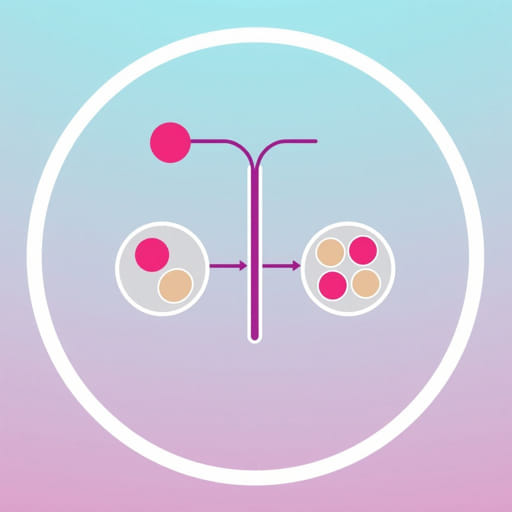
Meiosis is a fundamental biological process that ensures genetic diversity and the proper distribution of chromosomes in sexually reproducing organisms. One of the key outcomes of meiosis is the production of cells with half the chromosome number of the original cell, commonly known as haploid cells. Understanding whether meiosis produces haploid cells is crucial for students, researchers, and anyone interested in genetics, as it explains how organisms maintain stable chromosome numbers across generations and how genetic variation arises through sexual reproduction.
What is Meiosis?
Meiosis is a type of cell division that occurs in germ cells, which are the reproductive cells of an organism. Unlike mitosis, which produces two genetically identical daughter cells, meiosis consists of two sequential divisions meiosis I and meiosis II that ultimately produce four genetically distinct cells. These cells are haploid, meaning they contain only one set of chromosomes, compared to the diploid parent cell, which contains two sets. The halving of the chromosome number is essential for sexual reproduction because it allows for the fusion of gametes without doubling the chromosome content in each generation.
Phases of Meiosis and Haploid Cell Formation
Meiosis involves a series of carefully orchestrated steps, each contributing to the formation of haploid cells
Meiosis I Reductional Division
Meiosis I is often called the reductional division because it reduces the chromosome number by half. During this phase
- Prophase IHomologous chromosomes pair up through a process called synapsis, forming tetrads. Crossing over occurs, exchanging genetic material between homologous chromosomes, which increases genetic diversity.
- Metaphase IThe tetrads align at the metaphase plate, with homologous chromosomes positioned on opposite sides of the plate.
- Anaphase IHomologous chromosomes are separated and pulled to opposite poles of the cell. Unlike mitosis, sister chromatids remain together.
- Telophase I and CytokinesisThe cell divides into two daughter cells, each containing one chromosome from each homologous pair, making them haploid in terms of chromosome number, even though each chromosome still consists of two sister chromatids.
Meiosis II Equational Division
Meiosis II resembles mitosis in its process and is called the equational division because it separates the sister chromatids
- Prophase IIChromosomes condense again in each haploid daughter cell from meiosis I.
- Metaphase IIChromosomes align individually along the metaphase plate.
- Anaphase IISister chromatids are finally separated and move toward opposite poles.
- Telophase II and CytokinesisEach of the two haploid cells divides, resulting in four haploid daughter cells, each with a single set of chromosomes.
Importance of Haploid Cells
The production of haploid cells is critical for sexual reproduction and genetic stability. Gametes, such as sperm and eggs in animals, are haploid cells that fuse during fertilization to form a diploid zygote. This ensures that the resulting offspring have the correct number of chromosomes, maintaining species consistency. Haploid cells also contribute to genetic variation through independent assortment of chromosomes and recombination events that occur during meiosis I.
Genetic Variation and Evolution
Meiosis not only produces haploid cells but also promotes genetic diversity. Crossing over during prophase I and the random alignment of homologous chromosomes during metaphase I result in gametes with unique combinations of genes. This variation is crucial for evolution, as it provides a population with the genetic diversity needed to adapt to changing environments and survive selective pressures.
Comparison with Mitosis
It is useful to compare meiosis with mitosis to understand why meiosis produces haploid cells while mitosis does not
- MitosisProduces two diploid cells identical to the parent cell; used for growth, repair, and asexual reproduction.
- MeiosisProduces four haploid cells genetically distinct from the parent cell; used for sexual reproduction.
While mitosis maintains the chromosome number, meiosis reduces it by half, highlighting the unique role of haploid cells in reproduction.
Examples in Nature
Haploid cells produced by meiosis are found in all sexually reproducing organisms
- AnimalsSperm and egg cells in humans and other animals are haploid.
- PlantsPollen grains and ovules in flowering plants are haploid, arising from meiosis in the male and female gametophytes, respectively.
- FungiMany fungi produce haploid spores through meiosis, which then grow into new organisms.
Errors in Meiosis and Implications
Errors during meiosis can affect the production and function of haploid cells. Nondisjunction, for example, occurs when homologous chromosomes or sister chromatids fail to separate properly, leading to gametes with abnormal chromosome numbers. Fertilization involving such gametes can result in disorders such as Down syndrome, Turner syndrome, and Klinefelter syndrome. This highlights the importance of precise chromosome segregation during meiosis.
Applications in Research and Medicine
Understanding meiosis and haploid cell formation has practical applications in medicine, agriculture, and biotechnology
- Genetic ResearchStudying haploid cells helps scientists analyze gene function and inheritance patterns.
- Fertility TreatmentsInsights into meiosis improve assisted reproductive technologies such as in vitro fertilization.
- Plant BreedingHaploid plants can be produced for rapid development of pure lines in agriculture.
meiosis is a specialized form of cell division that produces haploid cells, which are essential for sexual reproduction and genetic diversity. Through two rounds of division, meiosis reduces the chromosome number from diploid to haploid, ensuring that offspring inherit the correct number of chromosomes. Haploid cells, such as gametes, carry unique combinations of genetic material due to crossing over and independent assortment. Understanding this process is fundamental to genetics, evolution, and many practical applications in science and medicine. Therefore, it is accurate to state that meiosis indeed produces haploid cells, and this production is central to the continuity and variability of life across generations.