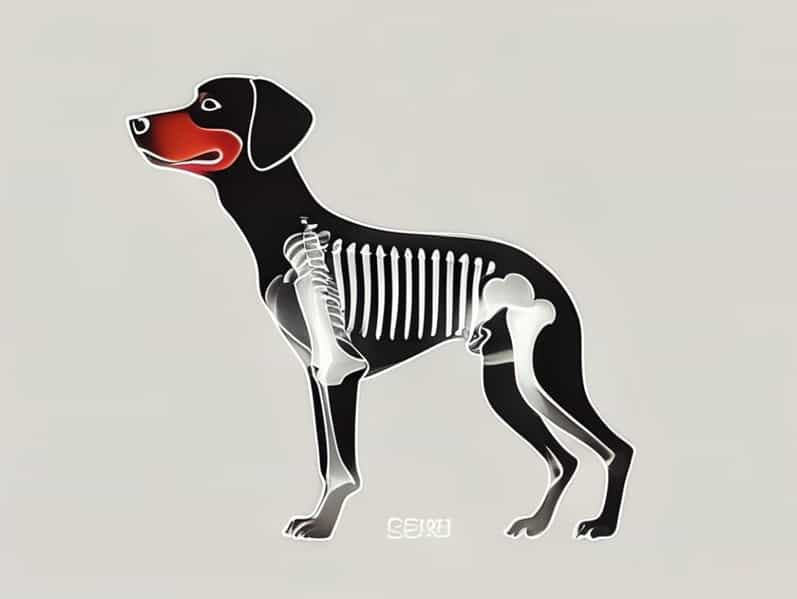
Esophagitis in dogs is a condition that affects the esophagus, the muscular tube that connects the throat to the stomach. It occurs when the lining of the esophagus becomes inflamed, which can lead to discomfort, difficulty swallowing, and potential complications if left untreated. One of the key diagnostic tools veterinarians use to evaluate esophagitis is the dog X-ray, also known as radiography. X-rays provide a non-invasive way to visualize the esophagus, identify structural abnormalities, detect foreign objects, and assess the severity of inflammation. Understanding the role of X-rays in diagnosing esophagitis, the symptoms to watch for, and the treatment options available is essential for any dog owner concerned about their pet’s health.
Understanding Esophagitis in Dogs
Esophagitis in dogs can result from a variety of causes, including acid reflux, ingestion of irritating substances, infections, or the presence of foreign objects that damage the esophageal lining. Certain medications, especially those that are acidic or irritant in nature, can also trigger inflammation if they remain in contact with the esophagus for too long. Chronic conditions like gastroesophageal reflux disease (GERD) can make dogs more prone to esophagitis over time. Recognizing the early signs of esophagitis can prevent complications such as strictures, ulcers, or persistent discomfort.
Common Symptoms of Esophagitis
Dogs with esophagitis often display a range of symptoms that indicate esophageal irritation or pain. These symptoms include
- Difficulty swallowing or gagging while eating
- Excessive drooling
- Regurgitation of food or water
- Frequent coughing or retching
- Loss of appetite or weight loss
- Signs of discomfort when swallowing
While these signs may overlap with other gastrointestinal conditions, a veterinary evaluation, including an X-ray, is crucial for accurate diagnosis.
The Role of Dog X-Ray in Diagnosing Esophagitis
X-rays are a valuable diagnostic tool for detecting esophagitis in dogs. Unlike blood tests, which provide information about overall health, X-rays allow veterinarians to directly visualize the esophagus and surrounding structures. Radiographs can reveal thickening of the esophageal walls, accumulation of food or fluid, and the presence of foreign objects that may be causing irritation. In some cases, contrast X-rays using barium are employed to enhance visibility, highlighting areas where inflammation or strictures may have developed. This approach is particularly helpful when esophagitis is suspected but not immediately evident on standard radiographs.
Types of X-Rays Used
There are different types of X-ray techniques that veterinarians may use depending on the situation
- Standard RadiographyA basic X-ray that can show structural abnormalities and detect large foreign bodies.
- Barium Swallow X-RayInvolves giving the dog a barium solution to coat the esophagus, providing a clearer view of inflammation, strictures, or narrowing.
- FluoroscopyA real-time X-ray video that can evaluate the swallowing process and detect motility issues within the esophagus.
Choosing the appropriate imaging method depends on the dog’s symptoms, age, and overall health condition.
Causes of Esophagitis Identified by X-Ray
Dog X-rays can help identify the underlying causes of esophagitis. Some of the common causes include
- Foreign ObjectsBones, toys, or other ingested items that get stuck in the esophagus.
- Acid RefluxStomach acid irritating the esophageal lining.
- MedicationsPills or liquids that are irritant to the esophagus.
- InfectionsBacterial, viral, or fungal infections causing inflammation.
- Trauma or SurgeryPrevious injury or surgical procedures affecting the esophagus.
By identifying the cause, veterinarians can develop a targeted treatment plan that addresses the root of the problem rather than only relieving symptoms.
Interpreting X-Ray Results
Interpreting X-ray results requires professional expertise. Radiologists or veterinarians look for signs such as
- Esophageal dilation or narrowing
- Presence of barium coating irregularities
- Signs of strictures or thickened walls
- Unusual objects or obstructions
These findings help confirm the diagnosis of esophagitis and guide the next steps in treatment or surgical intervention if necessary.
Treatment Options for Esophagitis in Dogs
Treatment for esophagitis depends on its cause and severity. Mild cases may respond well to dietary modifications, medications, and supportive care, while more severe or chronic cases might require surgical intervention. Common treatment approaches include
- Dietary ChangesFeeding softer, smaller meals or special veterinary diets to reduce irritation.
- MedicationsAcid suppressants, anti-inflammatories, or antibiotics if infection is present.
- Foreign Object RemovalEndoscopic or surgical removal of any obstructing items.
- Supportive CareHydration, pain management, and monitoring to prevent complications.
Regular follow-up X-rays may be performed to ensure that the esophagus is healing properly and that no further complications have developed.
Preventing Esophagitis in Dogs
Preventing esophagitis involves proactive care and attention to a dog’s eating habits and environment. Some preventive measures include
- Providing appropriate chew toys to avoid accidental ingestion of dangerous objects
- Administering medications with plenty of water or as instructed by a veterinarian
- Maintaining a healthy diet to reduce acid reflux
- Regular veterinary check-ups to monitor esophageal health
Prevention is always preferable to treatment, as chronic esophagitis can lead to long-term complications like strictures or persistent inflammation.
Esophagitis in dogs is a condition that requires careful attention and proper diagnosis. Dog X-rays play a crucial role in identifying the presence, severity, and underlying causes of this condition. From detecting foreign objects to evaluating inflammation, radiography allows veterinarians to create effective treatment plans and monitor recovery. By recognizing the symptoms early, using X-rays for accurate diagnosis, and following veterinary guidance for treatment and prevention, dog owners can help ensure their pets maintain healthy esophageal function. Understanding the importance of dog X-rays in the context of esophagitis empowers owners to take timely action and provide the best care for their furry companions.