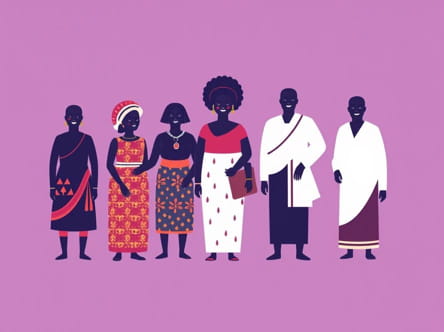
Mauritania, a country located in the northwest of Africa, is a land of diverse cultural heritage and ethnic complexity. Its population is composed of a mix of Arab-Berber and sub-Saharan African groups, each contributing unique customs, languages, and historical narratives. Ethnic identity plays a major role in the country’s social dynamics, influencing traditions, political representation, and even access to resources. Understanding the ethnic groups in Mauritania is essential to grasp the country’s social fabric and its ongoing efforts toward national unity and equality.
Major Ethnic Groups in Mauritania
Overview of Ethnic Composition
The ethnic groups in Mauritania can generally be classified into three main categories
- Bidhan (White Moors)Arab-Berber descent
- Haratin (Black Moors)Descendants of enslaved Africans assimilated into Moorish culture
- Sub-Saharan African ethnicitiesIncluding Wolof, Soninké, and Pulaar (also known as Fula or Peul)
While these categories provide a broad understanding, ethnic identities in Mauritania are complex, often shaped by language, lineage, and historical circumstances.
Bidhan – The Arab-Berber Population
Cultural and Social Influence
The Bidhan, often referred to as White Moors, are the traditional ruling elite in Mauritania. They are of Arab-Berber descent and have historically dominated the political and economic structures of the country. Their culture is deeply influenced by Islamic traditions, and they often speak Hassaniya Arabic, which serves as the national language.
Nomadic Legacy
Historically, the Bidhan were nomadic pastoralists who roamed the Sahara Desert. This nomadic lifestyle shaped their values of independence, family honor, and tribal loyalty. Even though many have transitioned to urban or settled rural life, the cultural ideals of the nomadic era still influence their identity.
Haratin – The Black Moors
Historical Background
The Haratin are descendants of enslaved people who were integrated into Arab-Berber society. Although many of them speak Hassaniya Arabic and follow the same religious practices as the Bidhan, they have historically occupied lower social and economic positions.
Ongoing Struggles
While slavery has been officially abolished in Mauritania multiple times, its legacy continues to impact the Haratin community. Issues of discrimination, limited access to land, and social marginalization persist. In recent years, Haratin activists have pushed for civil rights reforms and equal representation.
Role in Society
Despite social challenges, Haratin make up a large portion of the population and contribute significantly to Mauritania’s workforce, particularly in agriculture, domestic work, and urban labor. Increasingly, they are entering politics, education, and civil society roles.
Sub-Saharan African Ethnic Groups
Soninké
The Soninké are a West African ethnic group historically connected to the ancient Ghana Empire. In Mauritania, they are primarily located in the southeastern regions along the Senegal River Valley. The Soninké language belongs to the Mande language family, and the group has a strong tradition of agriculture, trade, and Islamic scholarship.
Pulaar (Fula, Peul)
The Pulaar, also known as Fula or Peul, are another significant ethnic group found in Mauritania. They are part of a broader West African ethnic community that spans many countries. Traditionally nomadic herders, many Pulaar have settled and are involved in farming and trade. They speak the Pulaar language and maintain strong cultural traditions tied to family and clan structures.
Wolof
The Wolof are smaller in number compared to the Soninké and Pulaar but are still an important part of Mauritania’s ethnic mosaic. They are primarily found in the southern regions near the border with Senegal. The Wolof language and culture are closely related to their counterparts in Senegal, with whom they share religious, culinary, and musical traditions.
Language and Identity
Multilingual Society
Mauritania is a multilingual country. While Hassaniya Arabic is the most widely spoken and the official national language, other languages are widely used
- Soninké
- Pulaar
- Wolof
- French (as a language of education and administration)
Language often reflects ethnic identity and can influence access to government services, education, and social mobility.
Language Politics
The status of non-Arabic languages has long been a contentious issue. Some ethnic groups have advocated for greater linguistic recognition in schools and public life, arguing that language equality is essential for full participation in society.
Ethnic Relations and Social Hierarchies
Complex Social Structures
Mauritania’s ethnic groups have traditionally been organized into hierarchies, often reflecting historical roles such as warriors, religious leaders, artisans, and slaves. While some of these structures have weakened in modern times, remnants still influence social interaction and community dynamics.
Government and Representation
Political power in Mauritania has historically been concentrated among the Bidhan elite. However, democratic reforms and civic activism are challenging these patterns. There is growing demand for inclusive governance that reflects the country’s ethnic diversity.
Discrimination and Human Rights
Human rights organizations have documented cases of ethnic discrimination, particularly against the Haratin and southern African ethnic groups. Issues include unequal access to land, underrepresentation in government, and social exclusion. Efforts to address these inequalities are ongoing, but progress remains gradual.
Efforts Toward National Unity
Citizenship and Equality
Mauritania’s constitution guarantees equality for all citizens regardless of ethnic background. However, implementing these principles in practice remains a challenge. Civil society groups and international partners continue to work with the government to build inclusive institutions and promote justice.
Cultural Celebrations
Despite differences, there are shared cultural traditions that help bridge divides. Festivals, Islamic holidays, music, and cuisine are often celebrated across ethnic lines, reinforcing a shared sense of national identity.
The ethnic groups in Mauritania represent a wide spectrum of histories, languages, and cultures. From the Arab-Berber Bidhan to the Haratin and the sub-Saharan communities of Soninké, Pulaar, and Wolof, each group contributes to the richness of Mauritanian society. While challenges related to inequality and representation persist, the path toward unity lies in embracing diversity and ensuring that all citizens have equal rights and opportunities. As Mauritania continues to develop, recognizing and respecting its multiethnic heritage will be vital to building a more just and cohesive nation.