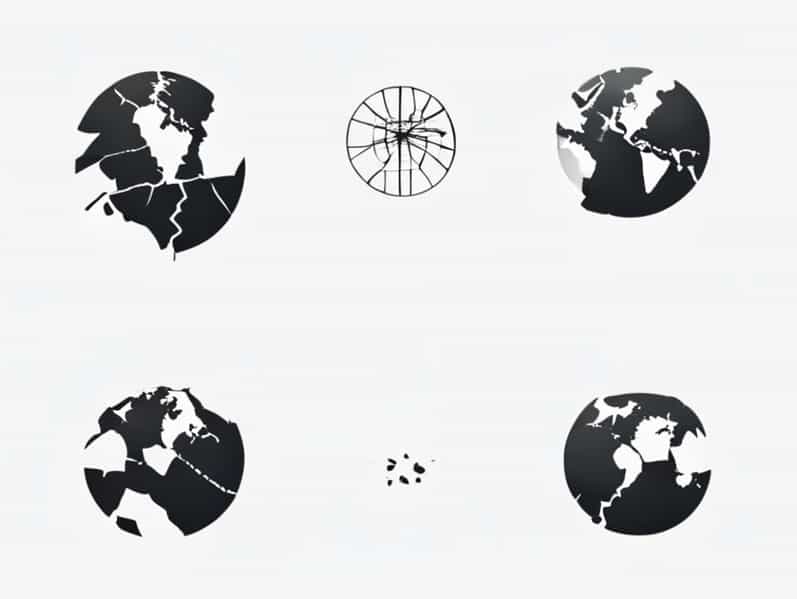
The world we live in is full of beauty, hope, and progress, yet it also carries signs of deep brokenness. From human suffering and injustice to environmental destruction and moral decay, brokenness appears in many forms. It reflects the imperfections of humanity, the consequences of greed, and the loss of compassion that often define modern society. Understanding the examples of brokenness in the world is not about spreading negativity it is about acknowledging reality, developing empathy, and inspiring positive change. By recognizing where things are broken, we can begin to work toward healing and restoration.
Understanding Brokenness in the World
Brokenness refers to the state of being damaged, incomplete, or separated from what is whole or good. It can manifest physically, emotionally, socially, and spiritually. On a personal level, it may mean heartbreak, failure, or loss. On a global scale, it appears as war, poverty, discrimination, and environmental harm. These examples remind us that human actions and systems often fail to uphold justice, compassion, and unity. Yet, by studying them, people can better understand how to rebuild communities and strengthen moral values.
Social and Economic Brokenness
Social and economic inequality is one of the most visible signs of brokenness in the modern world. Despite technological advancement and global trade, millions of people still live in poverty. The gap between the rich and the poor continues to widen, leading to feelings of hopelessness and resentment. In many societies, wealth is concentrated in the hands of a few while the majority struggle to access basic needs such as food, healthcare, and education.
Example Global Poverty
Poverty remains a major issue across continents. In developing nations, families often lack access to clean water, shelter, and stable jobs. Children are forced to work instead of going to school, perpetuating a cycle of hardship. Meanwhile, in wealthy nations, homelessness and job insecurity still exist. This shows how broken systems, corruption, and neglect can destroy the balance between opportunity and survival. Addressing this brokenness requires fair policies, honest governance, and global cooperation to ensure that no one is left behind.
Example Racial and Social Injustice
Racial discrimination and social injustice continue to break communities apart. People are often judged or mistreated based on race, religion, or background. Injustice in law enforcement, hiring practices, and education systems reinforces inequality and pain. The effects of such brokenness can last for generations, creating division and mistrust. Healing this form of brokenness demands empathy, equality, and a willingness to confront prejudice at all levels of society.
Political Brokenness
Political instability and corruption are powerful examples of brokenness in the world today. When leaders misuse power or prioritize personal gain over public good, societies suffer. Citizens lose faith in their governments, and essential services such as healthcare and education decline. Corruption can lead to injustice, wars, and economic collapse, leaving people disillusioned and powerless.
Example Corruption and Misuse of Power
In many countries, corruption has become a normal part of political life. Money meant for public welfare is often diverted into private accounts. Such unethical behavior deepens poverty, weakens trust, and damages democracy. This type of brokenness not only affects local communities but also destabilizes nations. Restoring integrity in leadership requires transparency, accountability, and strong moral values.
Example Political Conflicts and War
War is perhaps one of the clearest signs of global brokenness. Across the world, political disagreements, power struggles, and ideological differences have led to armed conflicts that destroy lives and displace millions. Civil wars tear nations apart, leaving behind hunger, fear, and trauma. Innocent people suffer while political leaders argue over control. This kind of brokenness shows how pride, hatred, and greed can overpower humanity’s desire for peace.
Moral and Spiritual Brokenness
Beyond politics and economics, brokenness also exists in the moral and spiritual dimensions of human life. Modern culture often celebrates materialism, self-interest, and instant gratification, leading to a decline in ethical values and compassion. People become disconnected from their moral compass, losing sight of love, kindness, and humility.
Example Loss of Compassion
In many parts of the world, people have become desensitized to the suffering of others. News of war, hunger, or injustice appears daily, yet many choose to ignore it. This emotional numbness is a form of spiritual brokenness. When society stops caring for the vulnerable, humanity loses part of its soul. The world becomes colder and less empathetic. Reviving compassion requires individual awareness, education, and collective responsibility to care for one another.
Example Moral Corruption in Society
Fraud, dishonesty, and unethical behavior are common in various sectors, from business to entertainment. People often compromise their values for money or fame, showing how deeply broken moral standards have become. This moral decay erodes trust and makes society unstable. True healing begins when individuals choose integrity and courage over convenience and greed.
Environmental Brokenness
The natural world is another area where brokenness is painfully evident. Human activities such as deforestation, pollution, and overconsumption have led to environmental damage that threatens the planet’s future. The imbalance between human progress and ecological responsibility reveals a deep disconnect between humanity and nature.
Example Climate Change
Climate change is one of the most serious examples of brokenness on a global scale. Rising temperatures, melting ice caps, and extreme weather events are signs that the earth’s balance has been disturbed. The cause lies in excessive greenhouse gas emissions and irresponsible industrial practices. This environmental brokenness affects everyone, particularly vulnerable communities in developing nations. Restoring balance requires collective action, sustainable practices, and respect for nature’s limits.
Example Pollution and Resource Depletion
Air and water pollution, plastic waste, and deforestation are daily reminders of environmental neglect. Oceans are filled with trash, and forests that once supported countless species are being destroyed for profit. This not only harms ecosystems but also endangers human health and food security. Recognizing this brokenness calls for conscious living reducing waste, recycling materials, and supporting clean energy.
Psychological and Emotional Brokenness
In the midst of progress, many individuals struggle with inner brokenness. Mental health issues such as depression, anxiety, and loneliness have increased worldwide. Social media pressure, economic instability, and the loss of real human connection contribute to emotional exhaustion. This invisible brokenness can be just as harmful as physical poverty or environmental damage.
Example Mental Health Crisis
The global rise in mental health problems shows how disconnected modern life has become. People are surrounded by digital communication but feel more isolated than ever. In workplaces, stress and burnout are common. In homes, family relationships often suffer due to lack of time and communication. Addressing this kind of brokenness means fostering emotional awareness, offering support, and encouraging open conversations about mental health.
Example Addiction and Escape
Many people turn to alcohol, drugs, or technology as an escape from pain and stress. Addiction is another form of brokenness that destroys lives and families. It reflects an inner void that people try to fill with temporary comfort. Recovery begins with acknowledging the problem, seeking help, and finding purpose beyond momentary pleasure. Healing from addiction is possible through compassion, patience, and community support.
Examples of Hope and Restoration
Despite the many examples of brokenness, the world also holds powerful stories of healing and renewal. Acts of kindness, forgiveness, and innovation show that humanity has the potential to rebuild what is broken. When communities unite to fight poverty, when people stand against injustice, or when individuals care for the planet, they bring light into dark places.
- Communities rebuilding homes after natural disasters show resilience and unity.
- Movements advocating for equality and justice demonstrate moral strength.
- People volunteering to feed the poor or rescue the environment reveal compassion.
- Individuals overcoming personal trauma represent the power of healing and growth.
These examples prove that brokenness does not have to define the world. Instead, it can inspire transformation. Each act of goodness restores a small part of what has been lost, reminding us that hope and love still exist.
The world’s brokenness appears in many forms poverty, injustice, corruption, environmental damage, and emotional pain. Yet recognizing these examples is not meant to cause despair. It is an invitation to act with compassion, integrity, and awareness. Every person has the power to repair small parts of this broken world by making ethical choices, showing kindness, and standing for truth. Healing begins when individuals accept responsibility and work together to build a more just and peaceful society. While brokenness is real, so is the human capacity for renewal, forgiveness, and change. In that hope lies the promise of a better, more connected world.