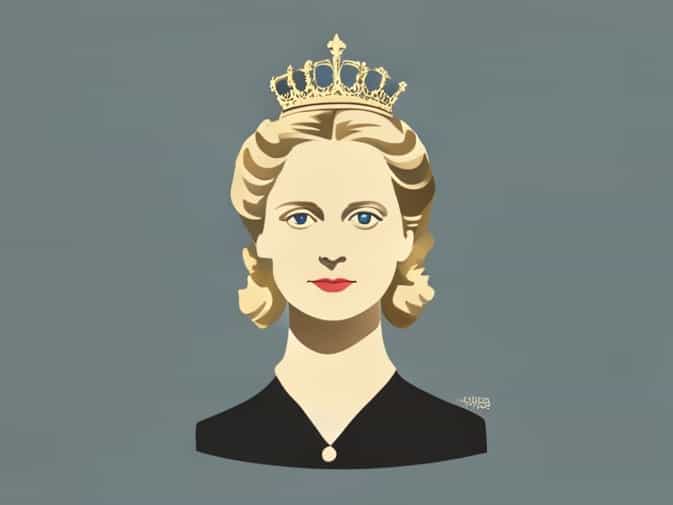
Queen Margrethe II of Denmark is a prominent figure in European royalty, known for her intelligence, artistic talents, and long-standing dedication to her country. Since ascending the throne in 1972, she has played a vital role in modernizing the Danish monarchy while maintaining its rich traditions. Her life is filled with fascinating details that go beyond her royal duties, encompassing her education, family life, artistic endeavors, and political influence. Learning about Queen Margrethe provides insight not only into her personal character but also into the broader history and culture of Denmark.
Early Life and Education
Queen Margrethe II was born on April 16, 1940, in Copenhagen, Denmark. She is the eldest daughter of King Frederick IX and Queen Ingrid. From an early age, Margrethe showed a strong interest in learning and the arts. Her education was carefully planned to prepare her for her future role as monarch. She attended prestigious schools in Denmark and abroad, including private tutoring in languages, history, and political science.
In addition to academic pursuits, Margrethe received training in the arts, including painting, costume design, and archaeology. Her exposure to diverse subjects and cultures helped shape her as a well-rounded and culturally informed monarch. This extensive education has contributed to her reputation as an intelligent and thoughtful leader who approaches her royal duties with knowledge and sophistication.
Ascension to the Throne
Queen Margrethe II became the monarch of Denmark on January 14, 1972, following the death of her father, King Frederick IX. Her ascension marked a historic moment, as she became the first female ruler of Denmark since Queen Margrethe I in the 14th century. The Danish constitution had been amended to allow women to ascend to the throne, enabling Margrethe to become queen in her own right.
Her reign has been characterized by stability and a steady modernization of the monarchy. She has balanced the ceremonial and political responsibilities of the crown with efforts to maintain close connections with the Danish people. Her ability to adapt to changing social and political landscapes has strengthened the monarchy’s relevance in contemporary Denmark.
Family and Personal Life
Queen Margrethe II married Prince Henrik of Denmark in 1967. Prince Henrik, originally from France, was known for his interest in arts and culture, which aligned with the queen’s own passions. Together, they had two sons, Crown Prince Frederik and Prince Joachim, who are actively involved in royal duties and charitable work.
Margrethe has been known as a devoted mother and grandmother, often highlighting the importance of family values in public speeches and appearances. Despite the demands of her royal position, she has maintained a strong connection with her family and has been supportive of her children’s education and personal development.
Artistic Talents and Interests
One of the most fascinating aspects of Queen Margrethe II is her artistic talent. She is an accomplished painter and costume designer, and her works have been exhibited in galleries in Denmark and internationally. Her interest in visual arts extends to stage design and illustration, where she has contributed to theater productions and publications.
Margrethe’s artistic endeavors are not only personal hobbies but also a way of engaging with Danish culture and heritage. She has illustrated books, designed costumes for theatrical performances, and even contributed to archaeological research through her illustrations of historical findings. These talents have earned her recognition as a multifaceted monarch who combines creativity with intellect.
Political and Cultural Influence
Although Denmark is a constitutional monarchy, Queen Margrethe II has played a significant role in shaping the country’s cultural and political landscape. She regularly meets with political leaders and participates in ceremonial functions, symbolizing unity and continuity within Danish society. Her speeches often address important national issues, such as social cohesion, environmental awareness, and Denmark’s role in international affairs.
Her cultural influence is equally notable. She supports various arts organizations, museums, and educational institutions. Her presence at cultural events helps promote Danish heritage and encourages public engagement in the arts. Through these efforts, she has strengthened Denmark’s national identity while highlighting the importance of creativity and cultural preservation.
Languages and International Relations
Queen Margrethe II is known for her linguistic abilities, speaking several languages fluently, including Danish, French, English, and German. Her multilingual skills have enhanced Denmark’s international relationships and enabled her to communicate effectively with foreign dignitaries. She frequently represents Denmark at state visits, international ceremonies, and royal events abroad, demonstrating diplomatic skill and cultural sensitivity.
Her ability to connect with people across different cultures has helped maintain Denmark’s positive image on the global stage. She is respected not only as a national leader but also as a figure of stability and grace in European royalty.
Recognition and Honors
Queen Margrethe II has received numerous awards and honors for her contributions to Denmark and international diplomacy. She is widely admired for her dedication to public service, her support for the arts, and her ability to balance tradition with modernity. Her reign has seen the strengthening of charitable initiatives and cultural institutions, reflecting her commitment to improving society through both symbolic and practical means.
- Order of the Elephant Denmark’s highest honor
- Grand Cross of the Legion of Honour France
- Order of the Seraphim Sweden
- Royal Family Orders from Norway and the United Kingdom
These recognitions underscore her influence and the respect she commands both nationally and internationally.
Interesting Facts About Queen Margrethe II
Several intriguing facts highlight the queen’s unique personality and interests
- She is an avid costume designer and has worked on numerous theatrical productions.
- Margrethe illustrated a Danish edition of The Lord of the Rings.
- She enjoys archaeology and has participated in archaeological excavations in Denmark and Greenland.
- Margrethe is known for her sense of humor and often uses wit in public speeches and events.
- She has been a consistent advocate for environmental awareness and sustainability initiatives in Denmark.
These facts show that she is more than a ceremonial figure she is a monarch actively engaged in cultural, intellectual, and social activities.
Legacy and Impact
Queen Margrethe II’s legacy is defined by her intelligence, creativity, and dedication to Denmark. Over the decades, she has modernized the monarchy while maintaining its historical significance. Her influence extends beyond politics and ceremony, touching arts, education, and public welfare. By embracing both tradition and innovation, she has ensured that the Danish monarchy remains relevant and respected in contemporary society.
Her personal style, artistic contributions, and active engagement with citizens make her a beloved figure. She has inspired future generations to value education, creativity, and civic responsibility, leaving a lasting imprint on Danish culture.
Queen Margrethe II of Denmark stands out as a remarkable monarch whose life combines public service, cultural contribution, and artistic talent. From her early education to her role as a modern queen, she has demonstrated intelligence, creativity, and dedication. The facts about Queen Margrethe reveal a multifaceted personality that goes beyond ceremonial duties, reflecting her influence on both Danish society and the international stage. Her legacy is a testament to how a monarch can honor tradition while embracing progress, making her one of the most respected and admired royal figures in Europe today.