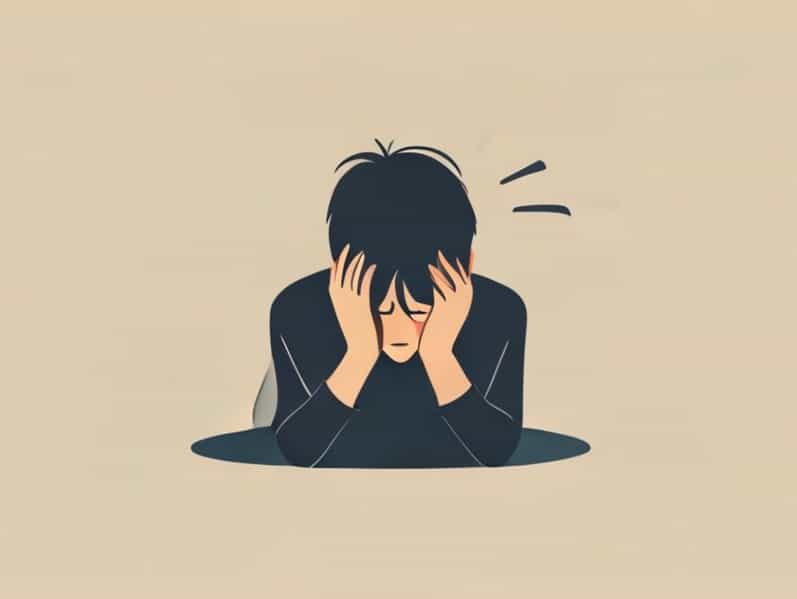
Feeling stressed and overwhelmed has become an increasingly common experience in today’s fast-paced world. From balancing work responsibilities and family obligations to managing social pressures and personal expectations, many people find themselves constantly under strain. Stress can affect both the mind and body, making it difficult to focus, sleep, or even enjoy daily activities. Over time, this feeling of being overwhelmed can interfere with overall well-being, productivity, and mental health. Understanding the causes, symptoms, and strategies to manage stress is crucial for maintaining balance and a sense of control in life.
Understanding Stress and Feeling Overwhelmed
Stress is the body’s natural response to challenges or demands, whether real or perceived. When faced with multiple pressures, people often feel overwhelmed, struggling to manage time, resources, and emotions. Feeling stressed and overwhelmed is not just an emotional experience it can manifest physically, mentally, and behaviorally. Recognizing these signs early can help prevent long-term negative effects and improve overall quality of life.
Common Causes of Stress
Several factors can contribute to feeling stressed and overwhelmed. Some of the most common include
- Work-related pressures, including tight deadlines, long hours, and high expectations.
- Financial difficulties, such as debt, unexpected expenses, or budgeting challenges.
- Relationship issues, including conflicts with family, friends, or partners.
- Health concerns, whether personal or related to loved ones.
- Life changes, such as moving, changing jobs, or major personal events.
- Excessive multitasking and lack of proper time management.
Signs and Symptoms of Being Overwhelmed
Recognizing the signs of stress and feeling overwhelmed is the first step toward managing it. Symptoms can vary from person to person, but common indicators include
- Persistent worry or anxiety about everyday tasks.
- Difficulty concentrating or making decisions.
- Physical symptoms like headaches, muscle tension, or stomach problems.
- Sleep disturbances, including insomnia or oversleeping.
- Emotional changes, such as irritability, mood swings, or feeling emotionally drained.
- A sense of being unable to cope or constantly falling behind.
Impact of Stress on Mental and Physical Health
When stress becomes chronic, it can have serious effects on both mental and physical health. Long-term stress can contribute to anxiety disorders, depression, and decreased cognitive function. Physically, it can lead to high blood pressure, cardiovascular issues, weakened immune response, and digestive problems. Feeling overwhelmed can also decrease motivation and productivity, making daily life even more challenging. Understanding these impacts highlights the importance of addressing stress before it becomes unmanageable.
Strategies to Manage Feeling Stressed and Overwhelmed
There are several practical strategies to help manage stress and reduce feelings of being overwhelmed. Implementing these techniques consistently can improve overall well-being and restore a sense of control
- Prioritize tasks by making a list and breaking large projects into smaller, manageable steps.
- Practice mindfulness and meditation to stay grounded and reduce mental clutter.
- Engage in regular physical activity, such as walking, jogging, or yoga, to release tension.
- Ensure adequate sleep and maintain a consistent sleep routine.
- Limit exposure to stressful media and negative influences when possible.
- Reach out for support from friends, family, or mental health professionals.
- Use relaxation techniques like deep breathing, progressive muscle relaxation, or visualization exercises.
Time Management and Organization
One of the key reasons people feel overwhelmed is poor time management. Effective organization can reduce stress significantly. This includes setting realistic goals, scheduling breaks, and avoiding multitasking when possible. Using planners, calendars, or digital apps can help track responsibilities and deadlines, creating a structured approach that prevents tasks from piling up. By controlling your schedule, you can create a sense of order and reduce feelings of chaos.
Building Resilience Against Stress
Resilience is the ability to adapt to challenging situations and recover from stress more effectively. Building resilience involves developing emotional flexibility, self-awareness, and coping skills. Techniques to enhance resilience include maintaining a positive mindset, practicing gratitude, seeking social support, and engaging in regular self-care. Over time, resilient individuals can face stressful situations with more confidence and less emotional disruption.
Self-Care Practices for Reducing Stress
Self-care is essential for preventing and managing feelings of being overwhelmed. Small daily actions can have a significant impact on mental health
- Taking short breaks during work to relax and recharge.
- Engaging in hobbies or creative activities that bring joy and relaxation.
- Spending time outdoors and connecting with nature.
- Maintaining a balanced diet and staying hydrated.
- Limiting caffeine, alcohol, or other substances that can exacerbate stress.
When to Seek Professional Help
Feeling stressed and overwhelmed occasionally is normal, but persistent or severe stress may require professional intervention. Mental health professionals, such as therapists, counselors, or psychologists, can provide strategies, coping mechanisms, and support to manage stress more effectively. Therapy, stress management programs, or even support groups can be valuable tools for individuals struggling to regain balance in their lives.
Feeling stressed and overwhelmed is a natural response to life’s demands, but it does not have to control your daily experience. By understanding the causes and symptoms, implementing practical strategies, and prioritizing self-care, it is possible to reduce stress and regain a sense of calm. Building resilience and seeking support when needed ensures that challenges are more manageable and personal well-being is preserved. Recognizing and addressing stress early is key to maintaining both mental and physical health while navigating the complexities of modern life.