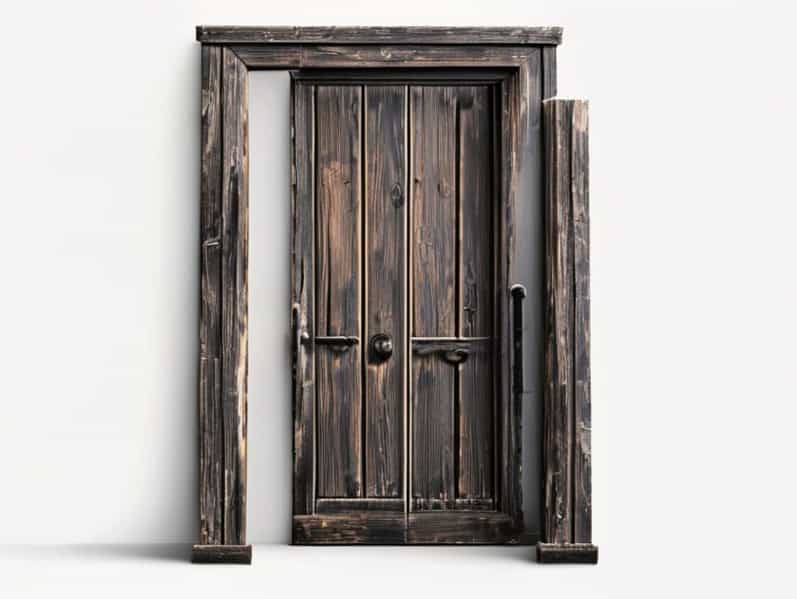
Fixing a rotted door frame is a common home repair task that homeowners often encounter, especially in areas exposed to moisture or heavy use. A door frame that has begun to rot not only compromises the aesthetic appeal of a home but also weakens structural integrity and can affect the functionality of the door itself. Addressing rot early is crucial to prevent further damage and costly repairs. Understanding the tools, materials, and techniques needed to fix a rotted door frame can empower homeowners to handle the repair effectively, whether through partial replacement, reinforcement, or complete restoration.
Identifying Rotted Door Frames
The first step in fixing a rotted door frame is accurately identifying the extent of the damage. Wood rot typically occurs due to prolonged exposure to moisture, which encourages fungal growth and decomposition of the wood fibers. Common signs of a rotted door frame include soft or spongy wood, visible cracks, discoloration, peeling paint, and sagging or misaligned doors.
To assess the damage, gently press a screwdriver or chisel against the wood. If the tool easily sinks into the surface, the wood is rotted and needs attention. It’s important to examine both the visible areas and sections that may be hidden beneath trim or paint, as rot can spread beyond what is immediately noticeable. Identifying the full extent of the problem will determine whether a partial repair or complete replacement is necessary.
Materials and Tools Needed
Once the extent of rot is determined, gathering the necessary materials and tools is essential for a successful repair. The following items are typically required for fixing a rotted door frame
- Wood filler or epoxy for minor repairs
- Replacement wood pieces or lumber for extensive damage
- Chisel and screwdriver for removing rotted sections
- Saw for cutting replacement wood
- Sandpaper for smoothing surfaces
- Wood primer and paint to protect the frame
- Clamps to hold pieces in place while adhesive sets
- Caulk for sealing gaps and preventing future moisture intrusion
Having all tools and materials on hand before starting the repair will help the process go smoothly and efficiently, reducing the risk of mistakes or incomplete fixes.
Repairing Minor Rot
Minor rot can often be repaired without replacing entire sections of the door frame. Wood filler or epoxy is ideal for filling small areas of decay. The process typically involves the following steps
- Remove loose or soft wood using a chisel or screwdriver.
- Clean the affected area thoroughly to remove dust, debris, and any remaining rot.
- Apply a wood hardener if necessary to strengthen the surrounding wood.
- Fill the damaged area with wood filler or epoxy, shaping it to match the original contours of the frame.
- Allow the filler or epoxy to cure according to the manufacturer’s instructions.
- Sand the surface smooth to ensure a seamless finish.
- Prime and paint the repaired section to protect it from future moisture.
This method is effective for small areas of decay and helps extend the life of the door frame without major construction work.
Replacing Rotted Sections
For more extensive rot, it may be necessary to replace parts of the door frame. This ensures structural stability and prevents the rot from spreading further. The replacement process typically involves
- Carefully measuring the damaged section to cut a replacement piece of wood that fits precisely.
- Removing the rotted section using a saw or chisel, ensuring all decayed wood is eliminated.
- Fitting the replacement piece into the frame, using wood glue or screws to secure it in place.
- Clamping the piece to ensure proper alignment while the adhesive dries.
- Applying wood filler to fill any gaps between the new and existing wood.
- Sand the area smooth and finish with primer and paint.
Replacing rotted sections is more labor-intensive than minor repairs but offers a durable solution that restores both functionality and appearance.
Preventing Future Rot
After repairing a rotted door frame, taking steps to prevent future rot is essential. Moisture management and regular maintenance are key strategies for prolonging the life of the wood. Some preventive measures include
- Sealing all joints and gaps with caulk to prevent water infiltration.
- Applying high-quality paint or wood sealant to protect the wood from moisture.
- Ensuring proper drainage around the door area to reduce standing water.
- Inspecting the door frame periodically for early signs of decay or damage.
- Installing weatherstripping to reduce exposure to rain and humidity.
Implementing these measures can significantly reduce the risk of future rot, saving time and expense over the long term.
Safety Considerations
Fixing a rotted door frame involves using tools, adhesives, and sometimes heavy wood pieces, so safety is important. Always wear protective gear such as gloves, safety goggles, and dust masks. When cutting or chiseling, ensure stable work surfaces and secure the frame to avoid accidents. If replacing large sections of the frame, additional help may be needed to manage heavy or awkward pieces safely.
Professional Help vs. DIY Repairs
While minor repairs can often be handled by homeowners, extensive rot or structural damage may require professional assistance. Carpenters or contractors have the expertise to handle complex repairs, ensuring proper alignment and long-term durability. Hiring a professional is especially recommended for door frames that support heavy doors, exterior entryways, or high-traffic areas where structural integrity is critical.
DIY repairs, on the other hand, can be cost-effective and satisfying for minor rot. With careful preparation, the right materials, and attention to detail, homeowners can achieve results that are both functional and visually appealing. Understanding the scope of the damage is key to deciding whether to tackle the repair independently or seek professional help.
Fixing a rotted door frame is an important home maintenance task that protects both the structure of the home and the functionality of the door. By accurately assessing the extent of the rot, selecting the appropriate repair method, and taking preventive measures, homeowners can restore damaged frames and prevent future problems. Minor rot can be effectively managed with wood filler or epoxy, while more extensive decay may require partial or complete replacement of the frame sections.
Proper maintenance, including sealing, painting, and moisture management, helps ensure that door frames remain strong and durable over time. Safety precautions, careful planning, and the right tools contribute to successful repairs, whether performed as a DIY project or with professional assistance. Ultimately, addressing rotted door frames promptly not only enhances the appearance of the home but also safeguards structural integrity and prolongs the life of the doors and frames themselves.
By understanding the process of fixing rotted door frames, homeowners can take proactive steps to maintain their property, avoid costly future repairs, and enjoy a safe, functional, and aesthetically pleasing home environment. This knowledge equips individuals to handle one of the more common challenges in home upkeep with confidence and effectiveness.