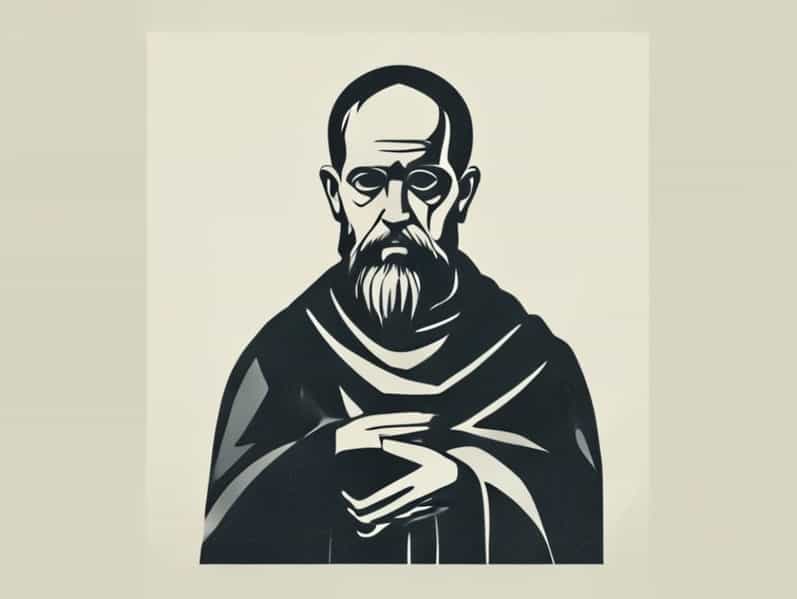
Francis J. Hall is a towering figure in Anglican theology, especially known for his multi-volume work entitled *Dogmatic Theology*. His contribution to Christian systematic theology remains influential within AngloCatholic circles and beyond. Hall’s theological method combines classical scholastic rigor with a modern awareness of science, philosophy, and biblical criticism. Through his *Dogmatic Theology*, he seeks to present a comprehensive and faithful account of Christian doctrine covering topics from the nature of God and the Trinity to the church, sacraments, and eschatology.
Who Was Francis J. Hall?
Francis Joseph Hall (1857 1933) was an American Episcopal theologian and priest. He served as professor of dogmatic theology at Western Theological Seminary and later at General Theological Seminary. contentReference[oaicite0] His intellectual life was shaped by the Anglican tradition, particularly its Catholic heritage, and he believed that Christian theology must engage seriously with modern thought science, philosophy, and even biblical criticism. contentReference[oaicite1] Hall was prolific his theological corpus includes not only his tenvolume *Dogmatic Theology*, but also works on moral theology, church history, and the relationship between evolution and original sin. contentReference[oaicite2]
Overview of Dogmatic Theology
Hall’s *Dogmatic Theology* was written over many years (1907 1922) and spans ten volumes. contentReference[oaicite3] The work is widely regarded as a systematic and highly detailed theology, comparable in depth to Thomas Aquinas’s *Summa Theologica*. contentReference[oaicite4] Each volume addresses a major topic in Christian doctrine, carefully articulating theological convictions from an Anglican, AngloCatholic perspective.
Main Themes and Structure
Here is a broad look at what Hall covers in his *Dogmatic Theology*
- Vol. I IntroductionDefines theology, examines sources of theological knowledge, and explores faith and reason. contentReference[oaicite5]
- Vol. II AuthorityDiscusses ecclesiastical authority, scripture, and church tradition.
- Vol. III The Being and Attributes of GodA philosophical and theological reflection on God’s nature.
- Vol. IV The TrinityConsiders the doctrine of the Trinity as central to Christian faith. contentReference[oaicite6]
- Vol. V Creation and ManExamines the origin of the world and humanity.
- Vol. VI The IncarnationFocuses on Christ’s divine and human nature.
- Vol. VII The Passion and Exaltation of ChristDeals with the atonement and resurrection.
- Vol. VIII The Church and the Sacramental SystemAnalyzes ecclesiology and the sacraments as signs of grace. contentReference[oaicite7]
- Vol. IX The SacramentsProvides a detailed theological explanation of each sacrament.
- Vol. X Eschatology & IndexesDiscusses last things (death, judgment, resurrection) and provides indexes for the whole set.
Hall’s Theological Method
Francis Hall’s dogmatic theology is marked by a careful and balanced method. He does not shy away from philosophical reflection, but neither does he abandon the authority of Scripture or the traditions of the Christian church. In his first volume, Hall emphasizes the relationship between theology and reason, and he considers how science and philosophy should serve theology, rather than threaten it. contentReference[oaicite8]
He also roots his theology deeply in the Christian tradition citing Church Fathers, medieval scholastics, and Anglican thinkers. This gives his work both intellectual breadth and a sense of rootedness in historical faith. Theologians and preachers appreciate how Hall’s writing can be both scholarly and devotional. contentReference[oaicite9]
AngloCatholic Perspective
Hall’s theological outlook is firmly AngloCatholic. This means he embraces a sacramental view of Christianity, a high regard for church tradition, and a commitment to the historic creeds. Yet, he is not anti-modern; he seeks to dialogue with modern scholarship. contentReference[oaicite10] Because of this, Hall’s dogmatics often serves as a bridge for those who want orthodox Christian teaching combined with intellectual engagement.
Significant Doctrinal Contributions
Some of the most significant parts of Hall’s *Dogmatic Theology* reflect his careful theological articulation and his pastoral sensitivity. Here are a few key contributions
The Trinity
In his volume on the Trinity, Hall argues that the doctrine of the Trinity is not just a theological abstraction, but the very heart of Christian faith. contentReference[oaicite11] He insists that understanding God as Trinity is necessary for a coherent understanding of Jesus Christ, the Holy Spirit, and Christian worship.
Incarnation and Atonement
Hall devotes detailed attention to the Incarnation how the divine and human are united in Christ and to the Passion and Resurrection. His theological reflection on atonement is deeply rooted in classical Christian tradition, yet he also considers modern philosophical and biblical scholarship, offering a balanced and reasoned account.
Church and Sacraments
Volume VIII of Hall’s work deals with ecclesiology and sacramental theology. Hall describes the Church not merely as an institution, but as a living body with spiritual and sacramental life. He connects sacraments to the inner spiritual reality of believers, portraying them as outward signs of inward grace. contentReference[oaicite12]
Eschatology
In his final volume, Hall reflects on eschatology topics such as death, judgment, resurrection, and the final state. His treatment is both hopeful and deeply theological, reminding readers of the ultimate Christian hope in eternal life and the final reconciliation of all things.
Legacy and Influence
Francis J. Hall’s *Dogmatic Theology* remains influential, especially in Anglican and Episcopal theological education. Many theologians and clergy regard it as a classic work of systematic theology. contentReference[oaicite13] His tenvolume set is sometimes called the Anglican Summa because of its comprehensive scope and academic ambition. contentReference[oaicite14]
His writings continue to be used in seminaries, and digital editions are available through theological platforms like Logos and Verbum. contentReference[oaicite15] In addition, Hall’s *Theological Outlines* distills much of his dogmatic theology into a more accessible format, making his thought more approachable for students and lay readers. contentReference[oaicite16]
Reception and Criticism
Readers often praise Hall’s clarity, intellectual rigor, and spiritual depth. His work is appreciated by those who want a theology grounded in tradition but open to modern intellectual challenges. contentReference[oaicite17] Some critics, however, note that his theology reflects early 20thcentury concerns modern questions, especially those about gender, race, or postmodern philosophy, are largely absent from his volumes.
Why Study Hall’s Dogmatic Theology Today?
There are several compelling reasons for students, pastors, and laypeople to engage with Hall’s *Dogmatic Theology* today
- It offers a full-fledged systematic theology rooted in Christian tradition and Anglican identity.
- It demonstrates how theology can dialogue with science and modern thought without compromising core doctrines.
- It provides rich resources for preaching, teaching, and personal spiritual growth.
- It remains a reference work for doctrine covering everything from the Trinity to eschatology in depth.
Francis J. Hall’s *Dogmatic Theology* stands as a monumental achievement in Anglican theology. Over ten volumes, Hall presents a richly detailed, intellectually honest, and spiritually grounded account of Christian doctrine. His commitment to integrating tradition with contemporary scholarship offers a model for how theology can remain faithful to core beliefs while engaging the modern world. For anyone interested in systematic theology, historic Anglicanism, or thoughtful Christian reflection, Hall’s work remains a valuable and enduring resource.