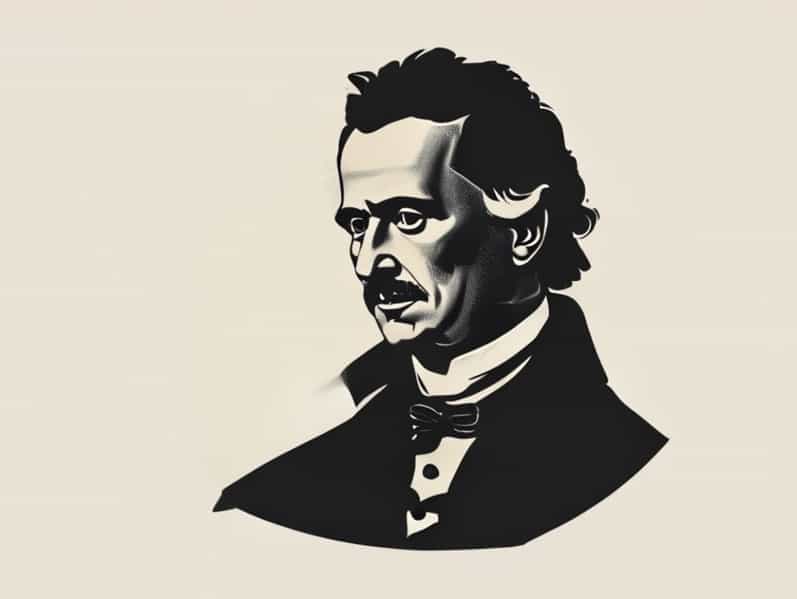
Franz Liszt’s La Campanella is one of the most celebrated and challenging pieces in the classical piano repertoire, renowned for its technical brilliance and expressive depth. Originally part of Liszt’s *Grandes études de Paganini*, this piece showcases his extraordinary ability to blend virtuosity with musicality. La Campanella has fascinated pianists and audiences alike for over a century, remaining a benchmark for those seeking to master its dazzling runs, delicate trills, and lyrical passages. Understanding the historical background, musical structure, and performance challenges of this iconic composition provides insight into why it continues to captivate music enthusiasts worldwide.
Historical Background of La Campanella
La Campanella, which translates to The Little Bell, was inspired by a theme from Niccolò Paganini’s Violin Concerto No. 2 in B minor, Op. 7. Liszt, a contemporary admirer of Paganini’s virtuosic technique, adapted several of Paganini’s violin works into piano studies to demonstrate both technical prowess and interpretative depth. Composed in 1838 as part of the *Grandes études de Paganini*, La Campanella quickly became one of the most famous and technically demanding pieces of the 19th century. Liszt’s adaptation captures the bell-like motif from Paganini’s original composition while transforming it into a pianistic showcase that challenges the performer with leaps, rapid passages, and intricate ornamentation.
Liszt’s Inspiration and Virtuosity
Franz Liszt was widely regarded as one of the greatest piano virtuosos of his time, pushing the boundaries of what was considered possible on the instrument. His fascination with Paganini’s violin technique inspired him to explore similar virtuosic possibilities on the piano. La Campanella reflects Liszt’s desire to combine technical fireworks with musical expression, emphasizing both the sparkling bell motif and lyrical passages that require sensitivity and control. This balance between technical display and musicality has made the piece a favorite among advanced pianists seeking to demonstrate both skill and artistry.
Musical Structure and Features
La Campanella is marked by its recurring bell-like theme, rapid leaps, and sparkling passages. The piece begins with a delicate, high-register motif that imitates the sound of a small bell, establishing its signature character. This motif recurs throughout the composition, interwoven with virtuosic passages that require exceptional finger dexterity, precise timing, and control of dynamics.
Key Elements of the Composition
- Bell MotifThe recurring high-pitched motif serves as the thematic centerpiece, creating a sense of whimsy and brightness.
- Technical ChallengesRapid jumps, repeated notes, and intricate fingerings demand extreme agility and precision from the performer.
- Expressive PassagesAmidst the virtuosic displays, lyrical sections provide contrast, highlighting Liszt’s sensitivity and musicality.
- Tempo and RhythmThe piece is often performed at a brisk tempo, requiring careful attention to rhythmic accuracy and phrasing.
Performance Challenges
Pianists attempting La Campanella must navigate numerous technical difficulties while maintaining musical expression. The wide leaps across the keyboard, often spanning more than an octave, require careful hand positioning and control. In addition, the rapid repeated notes and intricate ornamentation demand precision and endurance. Despite these challenges, skilled performers aim to bring out the lyrical and sparkling qualities of the piece, balancing virtuosity with interpretative depth.
Tips for Pianists
- Practice slow and deliberate leaps to ensure accuracy before attempting faster tempos.
- Focus on finger strength and flexibility to handle rapid repeated notes effectively.
- Use careful pedaling to preserve clarity while enhancing the bell-like sound of the motif.
- Emphasize phrasing and dynamics to maintain musicality amidst technical passages.
Legacy and Influence
La Campanella has left a lasting legacy in the world of classical music. Its technical demands have made it a benchmark for aspiring virtuosos, while its lyrical charm ensures its appeal to audiences. Over the years, numerous pianists, including Martha Argerich, Lang Lang, and Evgeny Kissin, have performed and recorded the piece, each bringing their own interpretation to Liszt’s masterpiece. The piece has also influenced other composers and continues to inspire adaptations and arrangements for different instruments and ensembles.
Impact on Piano Literature
Liszt’s adaptation of Paganini’s violin works, especially La Campanella, expanded the technical possibilities of the piano. It demonstrated how the instrument could emulate the brilliance and agility of a violin while incorporating its own expressive qualities. La Campanella remains a touchstone for piano pedagogy, illustrating how virtuosity and musicality can coexist, and serving as an aspirational piece for pianists seeking to develop both technique and artistry.
Modern Interpretations and Recordings
Today, La Campanella continues to captivate pianists and audiences alike. Modern performers often bring new interpretative insights to the piece, experimenting with tempo, phrasing, and dynamics while respecting Liszt’s original intentions. High-quality recordings and live performances allow listeners worldwide to appreciate the brilliance and beauty of this iconic work. The piece has also found its way into popular culture, appearing in films, educational programs, and piano competitions, further cementing its enduring appeal.
Franz Liszt’s La Campanella stands as a monumental achievement in piano literature, blending technical virtuosity with musical expression in a way that continues to inspire performers and audiences over a century later. Its intricate passages, sparkling bell motifs, and lyrical interludes showcase Liszt’s genius as both a composer and a virtuoso pianist. As pianists continue to explore the challenges and beauty of this masterpiece, La Campanella remains a shining example of the transformative power of music, offering both performers and listeners a captivating journey through sound and emotion.