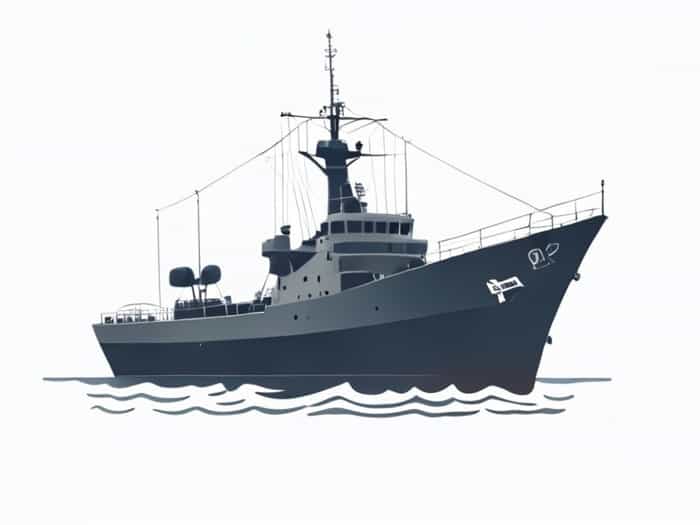
The French amphibious assault ship is one of the most advanced naval vessels in Europe, representing a key element of France’s maritime power and global reach. These ships are designed to transport troops, vehicles, helicopters, and equipment directly to shore during military operations. Their flexibility makes them valuable not only in warfare but also in humanitarian missions and disaster relief. Over the years, France has built a reputation for producing sophisticated amphibious assault ships that combine efficiency, technology, and adaptability, placing them among the most capable vessels of their kind in the world.
What is a French Amphibious Assault Ship?
A French amphibious assault ship is a large naval vessel built to project power from sea to land. It can deploy troops, tanks, armored vehicles, and helicopters, allowing the French Navy to conduct amphibious landings or support overseas operations. These ships function as command centers, floating hospitals, and logistics hubs, depending on mission requirements. They are known in French as Bâtiments de Projection et de Commandement (BPC), meaning Projection and Command Ships.
Main Classes of French Amphibious Assault Ships
The Mistral-Class Ships
The most famous and modern type of French amphibious assault ship is the Mistral class. Introduced in the early 2000s, the Mistral-class vessels are versatile and technologically advanced. France currently operates three of them the Mistral, Tonnerre, and Dixmude. These ships have served in multiple international missions, ranging from combat support to peacekeeping and humanitarian relief operations.
The Mistral-class ships measure approximately 199 meters in length and displace around 21,000 tons when fully loaded. Each ship can carry up to 16 helicopters, four landing craft, and more than 450 troops. In emergency situations, their capacity can be increased to around 900 soldiers for short-term operations. They also include medical facilities comparable to those of a small hospital, with operating rooms, intensive care units, and over 60 beds.
Previous Generations and Development
Before the Mistral-class vessels, France operated older types of amphibious ships such as the Ouragan-class and Foudre-class. These ships played vital roles in developing the doctrine of amphibious warfare for the French Navy. The Ouragan-class ships entered service in the 1960s, while the Foudre-class ships, introduced in the 1990s, were more advanced and provided a bridge toward the modern Mistral design.
The experience gained from these earlier ships influenced the creation of the Mistral class. The new generation emphasized modularity, improved command capabilities, and interoperability with NATO allies. This evolution reflects how France continues to adapt its naval technology to meet modern strategic needs.
Design and Capabilities
Amphibious Operations
The key function of a French amphibious assault ship is to land troops and vehicles ashore without relying on ports or airfields. To achieve this, each ship includes a well deck at the rear, where landing craft can embark and disembark. These craft are used to transport soldiers, tanks, and equipment directly to the beach. The combination of air and sea capabilities allows French forces to respond rapidly in various scenarios, from combat operations to humanitarian aid missions.
Helicopter Facilities
The flight deck of a Mistral-class ship can handle multiple helicopters at once. There is space for up to six helicopters to operate simultaneously and a hangar below deck to store and maintain them. This capability provides exceptional flexibility for air assault missions, reconnaissance, and medical evacuation. The helicopters commonly deployed from these ships include the NH90 and the Tiger attack helicopter, both developed by European manufacturers.
Command and Control Systems
Another distinctive feature of French amphibious assault ships is their command and control center. Each ship is equipped with a sophisticated operations center that can coordinate complex missions involving multiple branches of the armed forces. It serves as a floating headquarters, capable of managing large-scale operations involving air, land, and naval units. This is why the Mistral-class ships are also known as projection and command ships.
Medical and Humanitarian Capabilities
Besides combat roles, these ships play a significant part in humanitarian missions. Their onboard hospitals, helicopter decks, and cargo space make them ideal for delivering aid during natural disasters or health crises. The French Navy has used them for relief missions in regions hit by earthquakes, hurricanes, and floods. The ability to transport food, medical supplies, and personnel quickly makes these ships valuable assets beyond warfare.
Technological Features and Crew Life
French amphibious assault ships are equipped with advanced radar, communication systems, and defensive weaponry. The ships include modern navigation systems and electronic warfare capabilities to ensure security during missions. For defense, they are armed with machine guns, missile launchers, and anti-aircraft systems.
The crew on a Mistral-class ship usually numbers around 160 personnel, including sailors, officers, and technicians. The living quarters are designed to be comfortable for long missions, offering sleeping cabins, gyms, dining areas, and recreation rooms. The quality of life onboard reflects France’s emphasis on crew welfare and operational efficiency.
Strategic Importance to France
Amphibious assault ships are central to France’s global defense strategy. They enable rapid deployment of troops and resources anywhere in the world, supporting both national and allied missions. France, as a NATO member and a global power with overseas territories, needs vessels capable of projecting force far from its shores. These ships make that possible.
They also enhance France’s ability to collaborate with partners during multinational operations. For example, French amphibious ships have worked alongside American and British vessels during exercises and operations in the Mediterranean, the Indian Ocean, and the Pacific. Their versatility ensures that France maintains a strong and adaptable naval presence across strategic regions.
International Cooperation and Exports
French amphibious assault ship designs have drawn international attention. The Mistral-class design, for example, was exported to other nations such as Egypt, which purchased two vessels initially built for Russia. This demonstrates the global demand for France’s shipbuilding expertise and the trust in its engineering quality.
International collaboration in ship design and production has also contributed to the evolution of these vessels. France continues to work with European partners in developing next-generation naval technology, ensuring that its amphibious fleet remains competitive and relevant in the future.
Future Developments
France plans to continue upgrading its amphibious capabilities. Although the Mistral-class ships remain effective, future designs are expected to incorporate new technologies such as improved automation, hybrid propulsion, and enhanced cyber defense systems. There is ongoing discussion about replacing or supplementing the existing ships with new models by the mid-2030s to ensure long-term readiness.
These next-generation ships may feature expanded drone operations, better environmental performance, and modular mission spaces that allow for faster reconfiguration depending on the type of mission whether it be warfare, peacekeeping, or humanitarian relief.
The French amphibious assault ship stands as a symbol of France’s maritime strength, technological innovation, and humanitarian commitment. From the early Ouragan-class vessels to the modern Mistral-class ships, each generation has reflected France’s strategic evolution and global responsibilities. These ships not only serve as instruments of defense and power projection but also as lifelines during crises. Their ability to adapt, coordinate, and deliver across multiple roles ensures that France remains one of the leading naval forces in the world. As technology advances, the French amphibious assault ship will continue to shape the future of naval operations and international cooperation at sea.