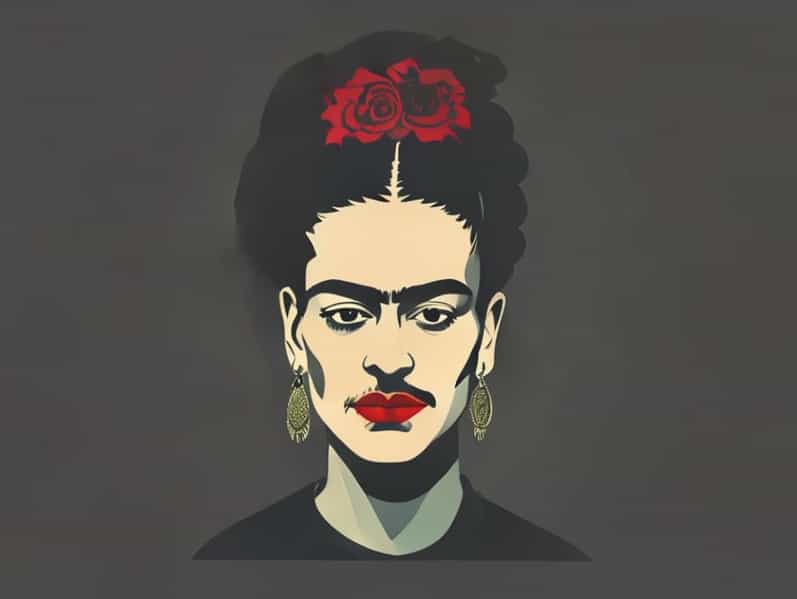
Frida Kahlo, the iconic Mexican painter, is widely celebrated for her deeply personal and strikingly vivid artworks, yet a significant portion of her work delves into themes that many would describe as gruesome or unsettling. Her paintings often depict physical pain, emotional suffering, and the fragility of human existence, drawing from her own experiences of illness, accidents, and tumultuous relationships. Kahlo’s exploration of the grotesque and macabre not only reflects her personal torment but also challenges conventional notions of beauty and artistic expression, making her a unique figure in 20th-century art.
The Life That Influenced Her Gruesome Themes
Frida Kahlo’s life was marked by physical and emotional trauma, which deeply influenced the content and style of her art. In 1925, she suffered a near-fatal bus accident that left her with multiple fractures and chronic pain. Over her lifetime, she underwent numerous surgeries and medical treatments, and she was often bedridden or limited in mobility. These experiences of pain and vulnerability frequently manifested in her paintings, often through graphic depictions of injury, bodily fragmentation, and medical procedures.
Physical Pain as Artistic Inspiration
Many of Kahlo’s most gruesome works vividly portray the human body in distress. She did not shy away from illustrating injuries, internal organs, or surgical scenes, transforming her personal suffering into universal statements about pain and mortality. For example, paintings such as The Broken Column and Henry Ford Hospital show her body pierced, fragmented, or bleeding, emphasizing both the physical and emotional consequences of her trauma. The rawness of these images resonates deeply with viewers, invoking both empathy and discomfort.
Psychological and Emotional Suffering in Her Work
In addition to physical pain, Kahlo’s paintings frequently explore psychological anguish. Her turbulent relationship with Diego Rivera, her struggle with infertility, and her battles with depression and illness all inform the haunting imagery in her art. These emotional wounds are often represented through surreal, grotesque, or symbolic imagery, which conveys the intensity of her inner turmoil.
Symbolism of Death and Decay
Death and decay appear prominently in Kahlo’s work, symbolizing not only mortality but also personal loss and suffering. Skulls, skeletal forms, and fragmented body parts are recurring motifs. In Without Hope, she depicts herself in a hospital bed with medical tubes and bleeding, evoking both a literal and symbolic confrontation with mortality. These images, though disturbing, reflect a fearless engagement with themes that many artists avoid, reinforcing her reputation for confronting the gruesome head-on.
Techniques and Styles That Enhance the Gruesome Impact
Kahlo’s artistic style amplifies the unsettling nature of her subject matter. She often employed vibrant, contrasting colors that juxtapose the macabre elements with visual beauty. Her use of realism combined with surrealism allows the viewer to recognize the corporeal reality of her pain while also engaging with symbolic and dreamlike interpretations. This blending of styles makes her gruesome work both visually compelling and emotionally resonant.
Use of Surrealism
While Kahlo rejected the label of surrealist, her work often incorporates surrealistic elements that heighten the sense of horror and emotional intensity. By distorting the human body or placing it in surreal, unsettling contexts, she challenges viewers to confront uncomfortable truths about the fragility of life and the inevitability of suffering. The surreal aspects of her work enhance the psychological impact, making the gruesome elements more profound.
Personal Symbolism
Many of the gruesome elements in Kahlo’s paintings are deeply personal symbols. Painful experiences, medical apparatus, and even animal imagery represent facets of her life’s suffering. For instance, the recurring image of bleeding hearts, broken columns, and monkeys often carries dual meanings, reflecting both literal and emotional states. By embedding personal symbolism into her grotesque imagery, Kahlo invites viewers to engage with her inner world on multiple levels.
Impact and Legacy of Kahlo’s Gruesome Work
Frida Kahlo’s willingness to confront pain, mortality, and suffering through graphic imagery has cemented her legacy as a bold and influential artist. Her gruesome works challenge societal norms about beauty, femininity, and acceptable subject matter in art. By exposing vulnerability and discomfort, she has inspired generations of artists to explore personal and often painful experiences through their own creative expressions.
Influence on Contemporary Art
Many contemporary artists draw inspiration from Kahlo’s unflinching exploration of the grotesque. Her blending of personal trauma with symbolic imagery paved the way for artists who use their own experiences of pain, illness, or emotional struggle as subject matter. Her legacy demonstrates that art can serve as a powerful tool for confronting and processing suffering.
Cultural Significance
Kahlo’s work also holds significant cultural importance. Her gruesome paintings reflect broader Mexican traditions surrounding death and the macabre, such as Día de los Muertos. By incorporating these cultural motifs alongside her personal pain, she creates a layered dialogue between individual suffering and collective cultural identity, enriching the interpretive depth of her artwork.
Frida Kahlo’s gruesome work stands as a testament to the power of art to convey pain, vulnerability, and mortality. Her vivid depictions of physical injury, emotional suffering, and symbolic death offer a profound insight into the human condition. By combining realism, surrealism, and personal symbolism, she transforms her own trauma into universally resonant artistic expressions. Kahlo’s fearlessness in exploring the grotesque continues to captivate and inspire, establishing her as one of the most important and influential artists of the 20th century, and demonstrating the enduring impact of confronting life’s most unsettling truths through art.