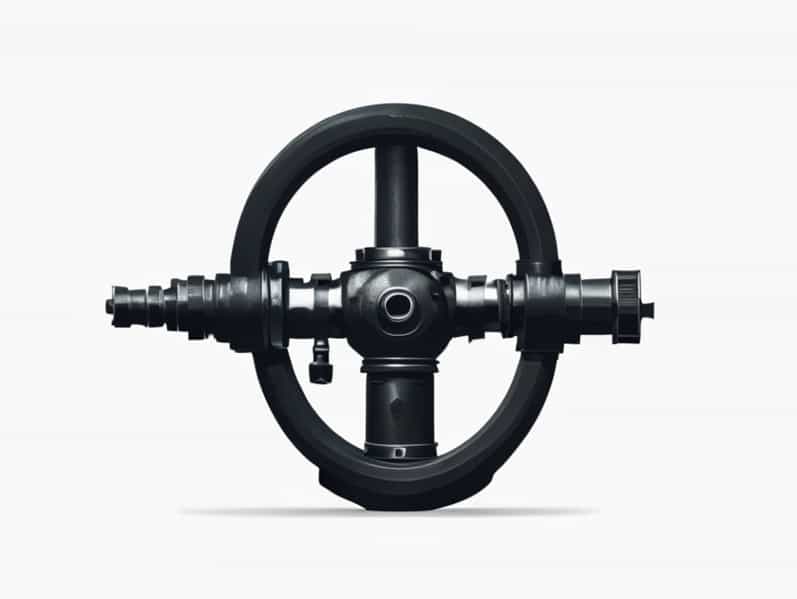
Gate valves made from ductile iron are essential components in many industrial, municipal, and residential piping systems, offering durability, reliability, and ease of operation. These valves are designed to control the flow of liquids and gases by lifting a gate or wedge out of the path of the fluid. Ductile iron, known for its strength, toughness, and resistance to corrosion, provides a superior material choice for gate valves compared to traditional cast iron. Engineers and technicians prefer ductile iron gate valves for applications ranging from water distribution networks to chemical processing systems, as they combine long service life with low maintenance requirements and excellent performance under high pressure.
Understanding Gate Valves
Basic Function and Mechanism
A gate valve functions by raising or lowering a flat or wedge-shaped gate inside the valve body. When the gate is lifted, the passageway opens, allowing fluid to flow freely. When the gate is lowered, it seals against the valve seat, stopping the flow completely. This on/off control mechanism makes gate valves ideal for applications where flow needs to be either fully open or fully closed, rather than throttled. Unlike globe valves or ball valves, gate valves are not typically used for regulating flow because partial opening can lead to wear and vibration of the gate over time.
Key Components of a Gate Valve
- Valve BodyThe main structure housing the internal components, providing a pathway for fluid.
- Gate or WedgeThe movable component that opens or closes to control fluid flow.
- StemConnects the gate to the actuator, allowing the gate to move up and down.
- SeatThe surface against which the gate seals to stop fluid flow.
- BonnetCovers the valve body and holds the stem packing and other internal components.
- Actuator or HandwheelThe mechanism used to operate the gate manually or automatically.
Advantages of Ductile Iron Gate Valves
Strength and Durability
Ductile iron, also known as nodular cast iron, contains spherical graphite inclusions that enhance its mechanical properties. Compared to traditional cast iron, ductile iron offers higher tensile strength, increased toughness, and improved resistance to impact and fatigue. These characteristics make ductile iron gate valves suitable for high-pressure and heavy-duty applications, such as water mains, wastewater treatment, and industrial piping systems.
Corrosion Resistance
Ductile iron gate valves typically feature coatings such as epoxy or zinc to protect against internal and external corrosion. This resistance to corrosion prolongs valve life, reduces maintenance frequency, and ensures reliable performance in harsh environments, including municipal water supply lines, sewage systems, and industrial processes involving chemical exposure.
Cost-Effectiveness
While ductile iron is slightly more expensive than traditional cast iron, it offers long-term cost benefits due to reduced maintenance, extended lifespan, and reliable operation under demanding conditions. Its combination of performance and affordability makes it a preferred choice in large-scale infrastructure projects.
Applications of Ductile Iron Gate Valves
Water and Wastewater Systems
Ductile iron gate valves are widely used in water distribution networks, treatment plants, and sewage systems. Their ability to handle high pressures and resist corrosion makes them ideal for controlling water flow, isolating pipelines for maintenance, and ensuring system reliability.
Industrial Applications
Industries such as chemical processing, power generation, and oil and gas rely on ductile iron gate valves to manage fluid flow in complex piping systems. Their robust construction allows them to handle a variety of liquids, including potable water, wastewater, chemicals, and slurries, without compromising safety or efficiency.
Fire Protection Systems
Many fire protection systems incorporate ductile iron gate valves to control the flow of water or other firefighting agents. These valves ensure quick response and reliable shut-off during emergencies, contributing to safety and regulatory compliance.
Types of Ductile Iron Gate Valves
Rising Stem vs. Non-Rising Stem
- Rising Stem Gate ValvesThe stem moves up and down along with the gate, providing a visual indication of whether the valve is open or closed. These are ideal for outdoor installations and high-visibility applications.
- Non-Rising Stem Gate ValvesThe stem rotates but does not move vertically. These are suitable for installations with limited vertical space and provide compact operation.
Solid Wedge vs. Flexible Wedge
- Solid WedgeA single piece gate that provides a tight seal but may be prone to damage under thermal expansion or misalignment.
- Flexible WedgeA two-piece or split wedge design that can adjust to minor misalignments and thermal changes, improving sealing performance and reducing stress on the valve components.
Installation and Maintenance Considerations
Proper Installation
Installing ductile iron gate valves requires careful alignment with the pipeline to prevent stress on the valve body and seat. Valves should be installed in a way that allows easy access for operation, inspection, and maintenance. Flanged or mechanical joints are commonly used to connect the valve securely to the pipeline.
Maintenance Practices
- Regular inspection of the valve body, gate, and stem for wear or corrosion.
- Lubrication of the stem and actuator to ensure smooth operation.
- Cleaning or replacement of seat and packing components as needed to maintain leak-free performance.
- Checking coatings and protective layers to prevent corrosion over time.
Standards and Certifications
Ductile iron gate valves often comply with international and regional standards such as ISO, ANSI, BS, and AWWA. These standards define material specifications, pressure ratings, and performance criteria to ensure reliable operation across various applications. Compliance with standards also facilitates integration into existing systems and ensures compatibility with other piping components.
Gate valves made from ductile iron are a cornerstone of modern piping systems, offering strength, durability, and reliable flow control. Their advantages include high mechanical strength, resistance to corrosion, and cost-effectiveness, making them suitable for water distribution, industrial processes, and fire protection systems. By understanding the types, features, and proper installation and maintenance practices, engineers and technicians can maximize the performance and lifespan of ductile iron gate valves. Whether used in municipal water networks or complex industrial pipelines, these valves ensure safe, efficient, and long-lasting operation, making them an essential component in modern infrastructure and industrial applications.