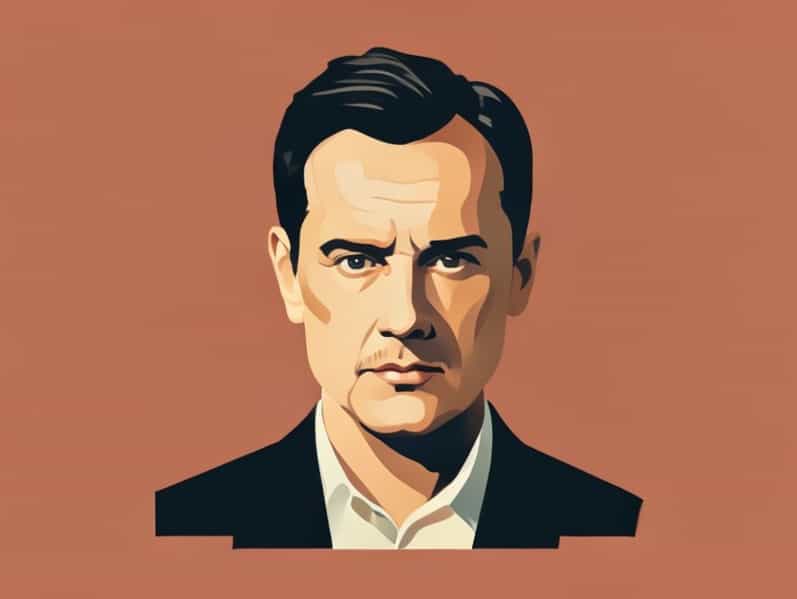
Gerard Depardieu and Roman Polanski are two of the most talked-about names in European cinema, both celebrated for their remarkable artistic achievements and equally scrutinized for the controversies that have surrounded their personal lives. Their long careers span decades, crossing paths through the shared history of French and international film. Understanding the connection between Gerard Depardieu and Roman Polanski requires looking at their individual legacies, collaborations, and how their names have become symbols of both artistic brilliance and public debate in the entertainment world.
Gerard Depardieu The Face of French Cinema
Gerard Depardieu is one of France’s most recognized and prolific actors. Born in 1948 in Châteauroux, France, he rose from humble beginnings to become a global star. His breakthrough role came in the 1974 filmLes Valseuses, which marked him as a bold and unconventional actor unafraid to take risks. Over the years, Depardieu appeared in more than 200 films, working with some of the most respected directors in France and abroad.
His performances in movies likeCyrano de Bergerac(1990) andJean de Florette(1986) demonstrated his immense talent, emotional range, and ability to fully inhabit his characters.Cyrano de Bergeracearned him international acclaim, including an Academy Award nomination and the Best Actor award at the Cannes Film Festival. To many, Gerard Depardieu represents the golden age of French cinema passionate, raw, and deeply human.
Depardieu’s Move Beyond France
Beyond his success in France, Gerard Depardieu also became a familiar face in Hollywood and other international productions. He starred alongside American actors in films such asGreen Card(1990), where he played a Frenchman navigating life in New York. This film earned him a Golden Globe Award and solidified his reputation as an actor who could transcend linguistic and cultural boundaries.
Despite his immense success, Depardieu’s career has not been without controversy. His outspoken nature, legal troubles, and frequent criticism of political systems have often placed him at the center of media attention. Nonetheless, his influence on European film remains undeniable, and his name continues to symbolize both the artistry and complexity of French cinema.
Roman Polanski The Visionary Director
Roman Polanski, born in 1933 in Paris to Polish parents, is one of the most influential filmmakers of the 20th century. His career began in Poland, where his early films likeKnife in the Water(1962) gained international recognition. He later moved to the United Kingdom and the United States, creating a series of iconic movies that would define his reputation as a master of psychological tension and storytelling.
Polanski’s works such asRosemary’s Baby(1968),Chinatown(1974), andThe Pianist(2002) are often cited among the greatest films ever made. His distinctive visual style, dark humor, and ability to explore the complexities of human nature have earned him both critical praise and industry respect.The Pianist, a deeply personal film about the Holocaust, won the Academy Award for Best Director and the Palme d’Or at Cannes, reaffirming his place among the greats of world cinema.
Controversy and Exile
However, Polanski’s personal life has been marked by longstanding controversy. In 1977, he was charged with unlawful sexual relations with a minor in the United States and fled the country before sentencing. Since then, he has lived primarily in Europe, continuing to direct films while avoiding extradition to the U.S. Despite the controversy, he remains active in the film industry, directing projects that often receive critical attention and spark public debate about separating art from the artist.
The Connection Between Gerard Depardieu and Roman Polanski
The paths of Gerard Depardieu and Roman Polanski have intersected several times within the world of French and European cinema. Both men are seen as pillars of French cultural influence, each contributing to film history in unique ways. While they have not collaborated extensively, their careers often overlap in discussions about the evolution of French filmmaking and the ongoing tension between artistic freedom and moral responsibility.
Depardieu has publicly expressed admiration for Polanski’s filmmaking talent, praising his artistry and influence on global cinema. At various points, both have defended one another in the media, particularly when facing criticism or controversy. Their mutual respect seems rooted in their shared experience as artists who challenge conventions and provoke strong reactions from audiences and critics alike.
Shared Themes in Their Work
One reason Gerard Depardieu and Roman Polanski are often linked is the thematic overlap in their artistic work. Both have been drawn to stories exploring human weakness, passion, and moral conflict. Polanski’s films often depict individuals trapped in psychological or moral dilemmas, while Depardieu’s roles frequently portray flawed yet deeply human characters. This shared artistic sensibility reflects a mutual fascination with the darker aspects of the human experience.
For example, Polanski’sThe Tenantand Depardieu’s performances in films likeUnder the Sun of Satanshare a similar intensity exploring isolation, guilt, and inner torment. These parallels highlight how their creative perspectives align even when they work independently.
Public Image and Media Attention
Both Gerard Depardieu and Roman Polanski have had complicated relationships with the media. While they are admired for their artistic accomplishments, their personal controversies often overshadow their work. Depardieu’s outspoken personality and Polanski’s legal history have made them subjects of intense debate in the press and among audiences.
Supporters of both figures argue that their artistic achievements should be recognized separately from their personal actions, while critics maintain that fame should not shield individuals from accountability. This ongoing conversation mirrors broader discussions about the ethics of art consumption and how society reconciles genius with moral imperfection.
The Question of Legacy
When discussing their legacy, both Gerard Depardieu and Roman Polanski occupy complex spaces in the history of film. Depardieu is celebrated as an icon of French acting, whose performances continue to inspire younger generations. Polanski, meanwhile, is often listed among the greatest directors of all time, despite the controversies that follow him.
Their stories raise questions about what it means to be an artist in a world that increasingly values accountability alongside talent. Can their work be appreciated purely for its artistic merit, or must it always be viewed through the lens of their personal lives? These are questions that critics, audiences, and historians continue to explore.
The Enduring Influence of Both Artists
Despite the debates surrounding them, the influence of Gerard Depardieu and Roman Polanski on world cinema remains undeniable. Depardieu continues to act in both French and international films, bringing depth and authenticity to every role he takes on. His presence on screen carries a timeless quality that few actors can match.
Polanski, on the other hand, continues to direct thought-provoking films that challenge audiences intellectually and emotionally. His meticulous attention to detail and mastery of cinematic language have inspired countless filmmakers across generations. Both artists have contributed to shaping the identity of European cinema, blending realism with artistic expression.
Collaborations and Future Possibilities
While Gerard Depardieu and Roman Polanski have not collaborated extensively, the possibility of such a project has often been discussed among film enthusiasts. A collaboration between these two creative minds would undoubtedly attract international attention, combining Depardieu’s powerful acting style with Polanski’s directorial precision. Whether such a partnership will ever occur remains uncertain, but the idea itself reflects the continued fascination surrounding both figures.
Gerard Depardieu and Roman Polanski represent two sides of European cinema one through commanding performances, the other through visionary direction. Their names evoke admiration, controversy, and deep discussion about the role of art and the responsibility of artists. Though their lives have taken different paths, their contributions to culture are permanently intertwined in the history of film. The connection between Depardieu and Polanski reminds audiences that cinema is not just about storytelling but also about the complex, often flawed humanity behind the art itself. In the end, both men remain enduring symbols of creativity, controversy, and the timeless power of film to provoke and inspire.