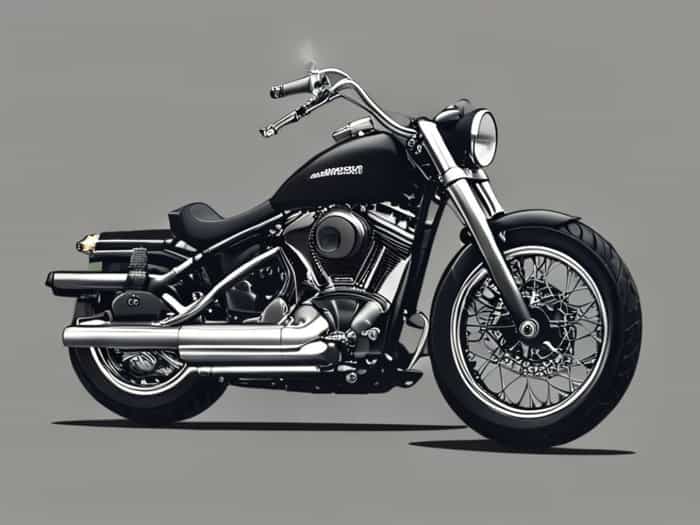
The Harley Davidson Knucklehead engine holds a legendary place in motorcycle history, representing both innovation and a distinct era of American motorcycling. Introduced in the 1930s, this engine marked a turning point for Harley Davidson, combining advanced engineering with a unique design that has captivated enthusiasts for decades. Known for its reliability, performance, and unmistakable appearance, the Knucklehead engine helped solidify Harley Davidson’s reputation as a leader in heavyweight motorcycles. Its impact goes beyond mechanics, influencing motorcycle culture and collector communities to this day, making it a sought-after symbol of classic American engineering.
History of the Harley Davidson Knucklehead Engine
The Knucklehead engine was first introduced in 1936, replacing the earlier Flathead engine. Its creation was driven by the need for more power and efficiency in Harley Davidson motorcycles. The engine earned its nickname from the distinctive shape of its rocker covers, which resemble the knuckles of a fist. The Knucklehead quickly became a hallmark of Harley Davidson’s big bikes, providing improved performance and setting the stage for future V-twin engine designs.
Design and Engineering Features
The Knucklehead engine was revolutionary for its time due to several design and engineering features. It was Harley Davidson’s first overhead valve (OHV) V-twin engine, which allowed for better airflow, higher compression, and increased power compared to the previous side-valve engines. This design made the engine more efficient and capable of higher speeds, giving Harley motorcycles a competitive edge in both performance and style.
- Overhead valve design improved power output and engine efficiency.
- 61 cubic inch (1000cc) displacement in the initial models provided significant torque and acceleration.
- Distinctive rocker covers shaped like knuckles became a recognizable symbol.
- Rigid engine frame with a V-twin layout provided durability and smooth operation.
Performance Characteristics
The Knucklehead engine was praised for its performance capabilities. With a strong torque curve, it offered excellent acceleration for cruisers of its time. Riders appreciated its smooth handling and the engine’s ability to sustain long-distance rides, which was particularly important during the pre-war and post-war eras. Despite being a classic design, the Knucklehead was remarkably robust, capable of handling heavy loads and long journeys without frequent maintenance.
- Top speeds around 80-90 mph, impressive for motorcycles in the 1930s and 1940s.
- Durable construction allowed for long-term reliability under regular use.
- Distinct exhaust note contributed to the iconic Harley sound.
Variants and Evolution
Over its production period, the Knucklehead engine underwent several refinements. Initially available in the 61 cubic inch displacement, Harley Davidson later introduced a larger 74 cubic inch version to meet growing demand for power. The engine was used in a variety of Harley models, including the EL and FL series, and became a popular choice among custom motorcycle builders. The evolution of the Knucklehead set the foundation for subsequent Harley engines like the Panhead and Shovelhead, each building on the OHV V-twin concept.
- 61 cubic inch engine (1936 1939) original model with classic performance.
- 74 cubic inch engine (1940 1947) offered more power and torque for larger motorcycles.
- Used in both solo and sidecar models, expanding its versatility.
- Influenced the design of later V-twin engines with improved cooling and reliability.
Maintenance and Common Issues
While the Knucklehead engine was advanced for its era, it required regular maintenance to remain in peak condition. Early models had oil circulation challenges, leading riders to perform frequent oil checks and changes. The OHV design also meant valve adjustments were critical for maintaining performance. Despite these requirements, many Knucklehead engines still operate today, a testament to their durability and the dedication of classic motorcycle enthusiasts.
- Regular oiling and lubrication were essential to prevent overheating.
- Valve adjustments required careful attention to maintain optimal performance.
- Parts for restoration can be rare, making proper care and sourcing crucial.
- Experienced mechanics often modify engines to improve reliability while preserving original aesthetics.
Cultural Impact and Legacy
The Knucklehead engine left a lasting impression on motorcycle culture. Beyond its engineering achievements, it became a symbol of American freedom, rebellion, and craftsmanship. Classic Harley Davidson motorcycles powered by Knucklehead engines are highly sought after by collectors and custom builders. The engine’s distinct look and sound continue to inspire custom designs, restorations, and even modern Harley replicas. Its influence extends into popular media, representing the golden age of American motorcycling.
Collectibility and Restoration
Today, motorcycles with Knucklehead engines are highly collectible. Restoring a Knucklehead requires knowledge of vintage mechanics and access to rare parts. Many enthusiasts strive to preserve the original specifications, while others incorporate modern upgrades for reliability. The value of a well-maintained Knucklehead motorcycle can be substantial, reflecting both historical significance and craftsmanship.
- Restored Knucklehead motorcycles often fetch high prices in classic motorcycle markets.
- Original parts and documentation increase collectibility and authenticity.
- Custom builders use the Knucklehead as a foundation for unique retro-style motorcycles.
The Harley Davidson Knucklehead engine represents a milestone in motorcycle history, combining innovative design with cultural significance. Its overhead valve design, distinctive appearance, and robust performance set a new standard for motorcycles of its time and influenced decades of engine development. Enthusiasts and collectors continue to celebrate the Knucklehead for its engineering, legacy, and role in shaping the identity of Harley Davidson. Owning or restoring a Knucklehead is not just about riding a motorcycle; it is about preserving a piece of history and experiencing the enduring spirit of classic American motorcycling.