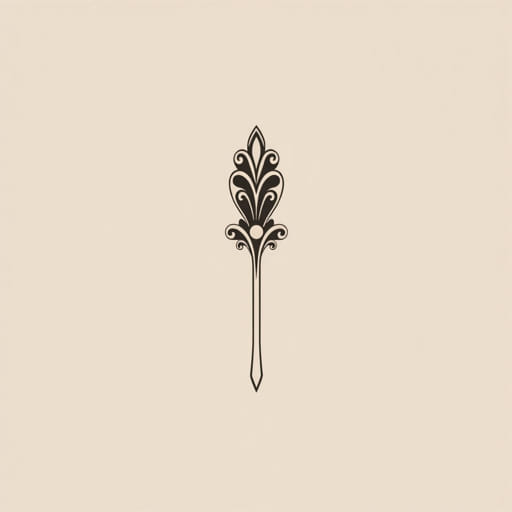
In the early 20th century, a curious phenomenon swept through Western societies, especially in the United States and Britain. It was not a disease, a war, or a political revolution, but rather something seemingly mundane hatpins. These long, sharp pins, which women used to secure their wide-brimmed hats, became the center of a widespread cultural and social controversy. The so-called hatpin panic of the early 1900s was a unique moment in history that combined elements of gender roles, fashion, self-defense, and moral anxiety into a single, oddly powerful symbol.
Origins and Purpose of the Hatpin
The Functionality Behind the Fashion
Hatpins were introduced in the 19th century as decorative and functional accessories. As women’s hats grew larger and more elaborate during the Edwardian era, simple combs or ribbons were no longer sufficient to hold them in place. Hatpins, often made of metal and adorned with glass, pearls, or gemstones at one end, became essential for securing hats to carefully styled hair. These pins could be up to ten inches long and were often worn two at a time, crossed to keep headwear steady in all weather conditions.
A Symbol of Elegance and Status
For many women, hatpins were more than practical tools they were also fashion statements. Wealthier women often flaunted intricately designed pins, while working-class women embraced more modest but still stylish versions. Hatpins became associated with modern femininity and the growing independence of women during this period. However, this visible assertion of autonomy also sparked discomfort among some segments of society, particularly men in authority.
Hatpins as Weapons
Incidents of Self-Defense
One reason the hatpin caused such a stir was its unexpected use as a weapon. In an era when many women walked alone in urban areas and faced frequent harassment, the long, sharp hatpin offered a convenient means of self-defense. Newspapers reported numerous cases where women used hatpins to fend off attackers, ranging from would-be muggers to overly persistent suitors. These reports were both sensational and empowering, highlighting how women were learning to protect themselves in a male-dominated world.
Media Sensationalism and Moral Panic
As the number of such incidents grew, media coverage became more dramatic. Headlines described women stabbing men in public places, and opinion pieces debated whether hatpins were tools of self-preservation or signs of a dangerous shift in societal norms. The notion of women wielding weapons however ordinary they may have seemed sparked fear among those who resisted changes to traditional gender roles. The press labeled these incidents part of a growing hatpin menace.
Legislative Responses
Hatpin Regulations and Public Outcry
Governments and city councils soon took notice of the growing anxiety surrounding hatpins. In cities like Chicago, New York, and London, ordinances were proposed or passed to regulate their use. These regulations often required women to cap their hatpins with protective tips to prevent accidental injury or worse, intentional harm. Some laws even set maximum lengths for the pins. Violators could be fined or refused service on public transport.
Pushback from Women
The response from women was not universally compliant. Many saw these laws as yet another attempt to control their behavior and restrict their freedom. Critics argued that the real issue was not the hatpin itself but the society that forced women to defend themselves in the first place. Some women refused to comply, wearing uncapped hatpins as acts of quiet defiance. Feminist publications and organizations saw the issue as symbolic of larger struggles for gender equality and autonomy.
Cultural Impact and Legacy
Shifts in Gender Dynamics
The hatpin panic of the early 1900s revealed much about the shifting roles of women in modern society. As women increasingly entered public life as workers, voters, and active community members societal structures were forced to adapt. The fear surrounding hatpins was less about the pins themselves and more about what they represented: a growing challenge to the established patriarchal order. The hatpin, once a simple accessory, became a subtle emblem of female empowerment and resistance.
Decline of the Hatpin
As fashion trends evolved, the popularity of large hats declined by the 1920s. Shorter hairstyles and smaller hats rendered hatpins largely obsolete. Additionally, the rise of more organized women’s rights movements shifted attention toward legislative and institutional reforms. Yet, the hatpin episode remained a poignant reminder of how even the smallest objects can carry deep social significance when viewed through the lens of gender and power.
Interesting Facts About Hatpins
- Some women deliberately sharpened the ends of their hatpins to use them as defensive weapons.
- Hatpin manufacturers eventually began producing decorative safety tips to comply with new regulations.
- The hatpin panic occurred during a broader cultural shift, which included the suffragette movement and changing fashion norms.
- Hatpin collectors today prize antique pins for their craftsmanship, rarity, and historical value.
Modern Reflections on the Hatpin Panic
Reclaiming Historical Narratives
Today, historians and gender studies scholars view the hatpin panic not merely as an overreaction to a fashion item but as a revealing chapter in the history of women’s rights. It shows how cultural anxieties can be projected onto seemingly trivial items and how resistance can manifest in unexpected forms. The hatpin symbolizes both the creativity and resilience of women navigating a world that was not always safe or welcoming.
Lessons for Contemporary Society
Modern parallels can be drawn between the hatpin panic and current debates over women’s autonomy and safety in public spaces. Whether through apps, alarms, or self-defense classes, the issue of how women protect themselves remains relevant. The hatpin’s legacy reminds us that empowerment often comes not from grand gestures but from everyday choices and tools used in defiance of fear and restriction.
In retrospect, the hatpin panic may seem quaint or even absurd, but it encapsulates an essential truth: societal change is often met with resistance, especially when it challenges deeply held norms. The sharp point of a hatpin may have been small, but its cultural impact was anything but.