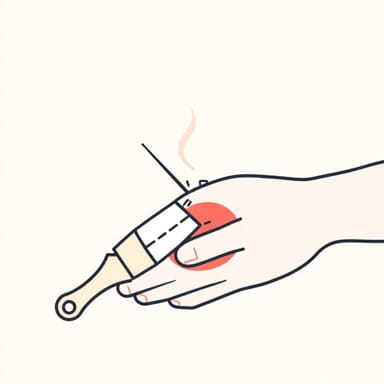
Cauterizing a wound is a medical procedure used to stop bleeding, prevent infection, and sometimes remove abnormal tissue. It involves applying heat, chemicals, or electrical current to the affected area to seal blood vessels and promote healing. Proper understanding of cauterization techniques is important because incorrect application can lead to burns, infection, or delayed wound healing. This procedure is widely used in emergency settings, surgical interventions, and minor medical treatments where traditional methods of controlling bleeding may not be sufficient.
Understanding Wound Cauterization
Cauterization works by coagulating proteins in tissue, which effectively seals damaged blood vessels and reduces blood loss. The method chosen depends on the location and severity of the wound, as well as the available equipment. The primary goals are to achieve hemostasis (stopping bleeding), reduce the risk of infection, and, in some cases, remove unwanted or diseased tissue. It is important to note that cauterization does not replace proper wound cleaning and dressing; it is usually part of a comprehensive wound management strategy.
Types of Cauterization
There are several common methods used to cauterize wounds, each with unique applications and considerations
- Thermal CauterizationInvolves the use of high heat, such as a heated metal instrument or a laser, to burn tissue. Thermal cauterization is effective for controlling bleeding in small cuts, surgical sites, or nosebleeds.
- Chemical CauterizationUtilizes chemical agents, such as silver nitrate or phenol, to burn or coagulate tissue. This method is often used in dermatology to remove warts, minor skin lesions, or small bleeding vessels.
- ElectrocauterizationEmploys electrical current delivered through a specialized device to generate heat within tissue. This technique is commonly used in surgical procedures and in treating more complex wounds, as it allows precise control and minimizes damage to surrounding tissue.
Preparation Before Cauterizing a Wound
Proper preparation is crucial for safe and effective cauterization. The following steps are typically involved
- Assess the WoundDetermine the severity, depth, and location of the wound. Evaluate whether cauterization is appropriate or if alternative treatments are safer.
- Clean the WoundThoroughly clean the affected area with sterile saline or antiseptic solutions to reduce the risk of infection. Remove any debris or foreign material.
- AnesthesiaLocal anesthesia may be necessary, particularly for larger or more sensitive wounds, to reduce pain and discomfort during the procedure.
- Protect Surrounding TissueUse sterile drapes or barriers to prevent accidental burns or chemical exposure to healthy tissue.
Step-by-Step Procedure for Cauterization
The actual steps involved in cauterizing a wound vary depending on the method used, but general principles include
- Thermal CauterizationHeat a sterilized cauterizing instrument to the recommended temperature. Apply the instrument carefully to the wound, ensuring contact with the bleeding tissue. Hold in place until bleeding stops and tissue coagulates.
- Chemical CauterizationApply a small amount of chemical agent to the affected area using a sterile applicator, cotton swab, or brush. Allow the chemical to react with the tissue until coagulation occurs. Neutralize or wash away excess chemical to prevent damage to surrounding skin.
- ElectrocauterizationSet the device to the correct power setting. Apply the electrode tip to the wound while activating the current. Move carefully to avoid unnecessary damage, focusing on bleeding vessels or abnormal tissue. Maintain sterility throughout the procedure.
Post-Cauterization Care
After cauterization, proper wound care is essential to ensure healing and prevent complications
- Monitor for InfectionCheck the wound regularly for signs of infection, such as redness, swelling, pus, or persistent pain. Early intervention can prevent serious complications.
- Dress the WoundApply sterile gauze or appropriate dressings to protect the wound and maintain a clean environment.
- Pain ManagementMild pain or discomfort is common. Over-the-counter pain medications may be used as directed by a healthcare provider.
- Follow-UpSchedule follow-up appointments if necessary, especially after surgical or extensive cauterization, to monitor healing and evaluate the need for additional interventions.
Potential Risks and Complications
While cauterization is generally safe when performed correctly, there are potential risks
- Burns or damage to surrounding healthy tissue.
- Infection if the wound is not properly cleaned or cared for after the procedure.
- Delayed healing or scarring, particularly in sensitive areas or deep wounds.
- Allergic reactions to chemical agents used in chemical cauterization.
- Excessive bleeding if the procedure is not performed correctly.
When to Seek Medical Attention
Cauterization should only be performed by trained healthcare professionals. Individuals with deep, extensive, or highly vascular wounds, as well as those with chronic medical conditions such as diabetes or clotting disorders, should seek professional evaluation. Attempting cauterization at home without proper knowledge and equipment can result in serious injury or infection.
Professional Settings for Cauterization
- Emergency rooms and urgent care centers for acute bleeding control.
- Operating rooms during surgical procedures to maintain hemostasis.
- Dermatology clinics for removal of warts, moles, or minor lesions.
- Specialized ENT or dental clinics for controlling nosebleeds or oral bleeding.
Cauterizing a wound is an essential medical technique that helps control bleeding, prevent infection, and promote tissue healing. Understanding the different methods thermal, chemical, and electrical is important for selecting the most appropriate approach for a given wound. Proper preparation, careful application, and diligent post-procedure care are critical to ensure successful outcomes and minimize complications. While it is a valuable tool in medical practice, cauterization should always be performed by trained healthcare professionals to ensure safety and effectiveness. Awareness of the procedure, its uses, and precautions can empower patients to seek timely care and achieve optimal wound healing.