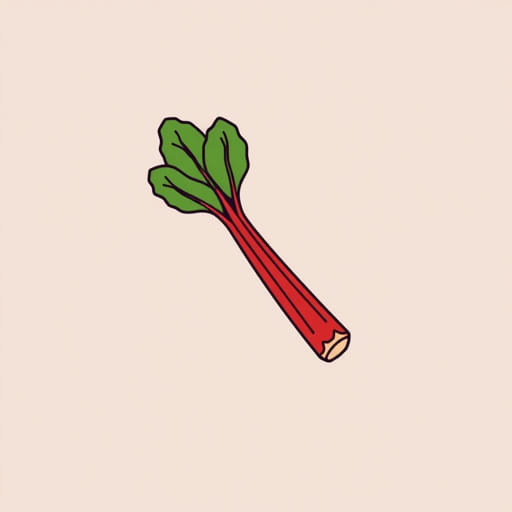
Rhubarb is a unique vegetable often treated like a fruit, especially in desserts and baked goods. With its long, celery-like stalks and vibrant red or green coloring, rhubarb can be somewhat mysterious to those unfamiliar with it. The moment you take a bite, its bold, tart flavor becomes instantly recognizable. While many associate rhubarb with pies and jams, understanding its raw and cooked taste profile reveals just how versatile and distinctive this plant really is.
The Basic Flavor of Rhubarb
Tart and Tangy Characteristics
At its core, rhubarb has a sharp, sour taste that is often compared to unripe green apples or cranberries. The tartness is prominent in raw form, making it a challenging ingredient to eat without any sweetening. This tangy flavor is the defining feature of rhubarb and what sets it apart from sweeter fruits typically used in desserts.
Bitterness and Astringency
In addition to its sourness, raw rhubarb can also carry a slight bitter or astringent note, especially closer to the leaves or when it is under-ripe. The leafy tops of the plant are not edible and are actually toxic due to oxalic acid content, but the stalks remain safe when properly prepared and cooked. The bitterness usually fades significantly with cooking.
How Cooking Changes the Flavor
Softening the Sour Edge
Cooking rhubarb transforms its texture and taste. Heat breaks down the fibrous structure and mellows the sharp acidity, especially when combined with sugar or sweet fruits. The result is a pleasant tartness balanced by sweetness, making rhubarb suitable for pies, compotes, and sauces.
Common Cooking Methods
- Baking: Commonly used in pies, crisps, and muffins to create a sweet-tart contrast.
- Stewing: Ideal for making rhubarb sauce or preserves where the texture becomes silky and spreadable.
- Roasting: Intensifies flavor and sweetness with caramelization, creating a deeper taste profile.
Pairing Rhubarb With Other Flavors
Sweet Pairings
Because rhubarb is so tart, it pairs beautifully with sweet ingredients. Sugar is the most common pairing, but honey, maple syrup, and even vanilla can enhance its natural tang. Strawberries are perhaps rhubarb’s most iconic companion together, they create a balance of sweet and sour that is beloved in jams and desserts.
Savory and Spicy Pairings
Rhubarb’s sharp flavor also works surprisingly well in savory dishes. It can be used in chutneys or sauces served with meats like pork or duck. When combined with spices like ginger, cinnamon, or cardamom, rhubarb takes on warm, complex undertones that enhance its depth.
Rhubarb Texture and Aroma
Raw Texture
Uncooked rhubarb has a firm, crunchy texture similar to celery. It’s crisp and juicy, with visible strings running along the stalks. While not commonly eaten raw due to its intense tartness, some people enjoy dipping raw rhubarb sticks in sugar as a treat.
Cooked Texture
Once cooked, rhubarb softens considerably. It can become almost mushy when stewed, which makes it ideal for sauces and pie fillings. Roasted or baked rhubarb holds its shape a bit more but still develops a soft, tender consistency.
Aromatic Qualities
Rhubarb has a fresh, green aroma with subtle hints of citrus and herbs. When cooked, it takes on a more mellow and inviting scent, often enhanced by the ingredients it is paired with, such as sugar, cinnamon, or vanilla.
How Ripeness Affects Taste
Young Rhubarb Stalks
Early-season rhubarb, often called forced rhubarb, is usually brighter in color and more tender. It tends to have a slightly milder and more delicate flavor compared to late-season varieties. The texture is less fibrous, making it quicker to cook and better suited for delicate dishes.
Mature Rhubarb
Later in the season, rhubarb stalks become thicker and more fibrous. While still usable, these stalks often need longer cooking and more sweetener to balance out their stronger tartness. The color may vary from pale green to deep red, but this doesn’t necessarily correlate with sweetness.
Comparing Rhubarb to Other Ingredients
Rhubarb vs. Cranberries
Both cranberries and rhubarb share a bold tartness, though cranberries have a deeper, more intense bitterness. Rhubarb’s texture is also quite different less chewy and more fibrous, especially before cooking.
Rhubarb vs. Green Apples
Green apples offer a good comparison to rhubarb’s tart flavor, but they carry more natural sweetness. Apples maintain their firmness when cooked, while rhubarb tends to break down more quickly, resulting in a softer consistency.
Rhubarb vs. Lemon
In terms of sourness, lemon is the closest match. However, rhubarb lacks the citrusy brightness and intense acidity of lemons. It’s more of a green, plant-based tartness, earthy rather than zesty.
Popular Dishes Featuring Rhubarb
Rhubarb Pie
One of the most traditional ways to enjoy rhubarb is in pie. Often paired with strawberries, this dessert strikes a perfect balance between sweet and sour. The filling becomes smooth and jammy while the crust provides a flaky contrast.
Rhubarb Compote
This stewed rhubarb dish is simple to prepare and can be used as a topping for yogurt, pancakes, or toast. With added sugar and sometimes spices, it creates a flavorful spread or accompaniment.
Rhubarb Crumble
A comforting dessert where rhubarb is baked beneath a crumbly, buttery topping. The heat softens the rhubarb into a tender base, while the topping adds texture and sweetness.
Rhubarb Sauce for Savory Dishes
In savory cooking, rhubarb sauce adds acidity and brightness to rich meats. It can be reduced with red wine, onions, and spices to complement pork chops or duck breast.
Tips for Enjoying Rhubarb
Balance Is Key
Since rhubarb is naturally tart, always think about how to balance its flavor. Sweeteners are the most common way, but fat (like cream or butter) and spices can also help round out its edges.
Don’t Eat the Leaves
Rhubarb leaves contain high levels of oxalic acid, which is toxic if consumed. Always trim and discard the leaves before preparing the stalks.
Try It in Small Amounts
If you’re new to rhubarb, try it first in a blended dish like strawberry rhubarb jam or muffins to get accustomed to its taste before exploring more concentrated uses.
So, how does rhubarb taste like? In essence, rhubarb is boldly tart, refreshing, and incredibly versatile. Its flavor profile shifts significantly depending on whether it’s raw or cooked, making it a dynamic ingredient in both sweet and savory dishes. With a flavor somewhere between sour green apples and cranberries, rhubarb delivers a unique culinary experience. Understanding its taste helps you appreciate why it has become a seasonal favorite in kitchens around the world. Whether in pies, sauces, or compotes, rhubarb continues to add a punch of flavor wherever it’s used.