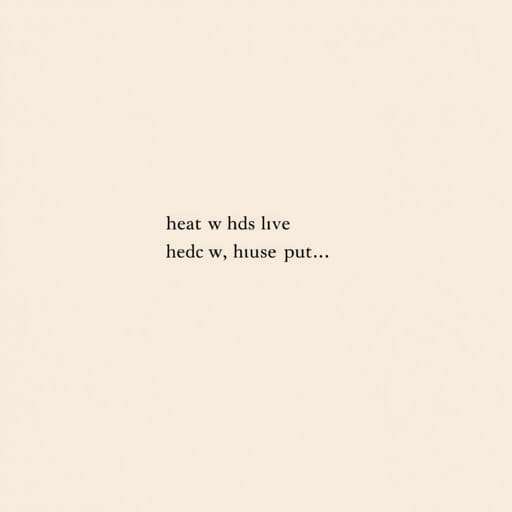
Writing a Dadaist poem is not about following traditional rules of poetry or striving for logical meaning. Instead, it is about embracing spontaneity, chaos, and chance to challenge the norms of language and artistic expression. The Dada movement, which began in the early 20th century, aimed to protest the absurdities of war, authority, and conventional values. As such, Dadaist poetry breaks down structure, mocks predictability, and often produces surprising or even nonsensical results. Understanding how a Dadaist poem is written means stepping outside conventional forms and inviting randomness, playfulness, and radical freedom into the creative process.
Understanding the Dada Movement
Origins and Philosophy
The Dada movement emerged in Zurich, Switzerland, during World War I, as a response to the horrors of war and a rejection of nationalist ideologies. Artists and writers like Tristan Tzara, Hugo Ball, and Jean Arp led the movement with an emphasis on irrationality, anti-art, and anti-bourgeois sentiments. They believed that traditional structures had failed humanity, and thus, art must be chaotic, illogical, and often provocative.
Poetry as Protest
Dadaist poetry became a form of protest against logic, grammar, aesthetics, and even poetry itself. Rather than seeking beauty or coherence, Dadaist poems aim to shock, confuse, or amuse. This radical departure from form has made Dadaist poetry influential to later experimental and avant-garde movements.
Characteristics of a Dadaist Poem
Dadaist poems may vary widely in tone and appearance, but they generally share the following characteristics:
- Randomness: Words and phrases are often selected by chance rather than design.
- Lack of Structure: There is no traditional rhyme scheme, meter, or grammatical consistency.
- Absurdity: The content often makes no logical sense and may use juxtapositions or surreal images.
- Visual Experimentation: Poems may include unusual spacing, fonts, or layouts.
- Collage Techniques: Text is frequently created using cut-out words from newspapers, advertisements, or books.
How to Write a Dadaist Poem
Step 1: Collect Source Material
Start by gathering materials such as newspaper topics, magazines, random books, advertisements, or even handwritten notes. The idea is to source words and phrases from various unrelated contexts to ensure randomness and diversity in language.
Step 2: Cut Out Words or Phrases
Use scissors to carefully cut out individual words or short phrases from the selected material. Don’t worry about themes or consistency randomness is key. Try to have a large enough pile so you can draw freely without running out of material.
Step 3: Mix and Shuffle
Place all your cutouts into a hat, box, or bag. Shake or mix them thoroughly. This step is crucial because it removes any influence of logic or order in the selection process, aligning with the Dadaist rejection of control and reason.
Step 4: Draw Words and Arrange
Begin pulling one word or phrase at a time from your container. Lay them out in the exact order they are drawn. This sequence becomes your Dadaist poem. Do not rearrange or attempt to make sense of the result. The poem is meant to reflect spontaneity and raw association.
Step 5: Present the Poem
Once all the words are arranged, you may decide to write them down on paper, type them out, or paste the cut-outs onto a surface. Feel free to add visual elements such as erratic spacing, line breaks, or overlapping text. Some Dadaists even used sound or performance to bring their poems to life.
Tristan Tzara’s Dada Poem Recipe
Tristan Tzara, one of the founders of the movement, provided a literal recipe for creating a Dadaist poem:
- Take a newspaper.
- Take a pair of scissors.
- Choose an topic of the length you want your poem to be.
- Cut out the topic.
- Cut out each word of the topic and put them in a bag.
- Shake it gently.
- Take out each word one after the other.
- Copy them conscientiously in the order they left the bag.
- The poem will resemble you. And there you are an infinitely original author of charming sensibility, even though misunderstood by the vulgar.
Modern Approaches to Dadaist Poetry
Digital Dada
Today, some poets use digital tools to create randomized text, including code-based generators or software that scrambles words. Online Dadaist poem generators or even AI-assisted randomness can mimic the unpredictable nature of traditional Dada poems.
Performance and Sound
Dada poetry was often performed in cabarets or galleries, incorporating elements of theater, music, and nonsense sounds. Creating a Dada poem today might also involve reading it aloud in exaggerated tones, using silence or noise, or incorporating physical gestures into the experience.
Visual Dada
Dadaist poetry can also include visual or typographic elements. You might play with font sizes, letter orientation, or page layout to enhance the absurd and expressive nature of your poem.
Why Write a Dadaist Poem?
- Freedom of Expression: It removes the pressure to make sense or follow rules, making space for raw creativity.
- Artistic Rebellion: It allows you to question and subvert language and societal norms.
- Therapeutic Release: Writing without expectations can be a form of emotional or mental relief.
- Inspiration for Other Work: Dadaist poetry can spark new ideas for painting, music, or traditional writing.
Tips for Embracing the Dada Spirit
- Let go of logic. Embrace nonsense.
- Trust the process, not the product.
- Don’t edit every mistake is intentional in Dada.
- Use everyday materials for sourcing text.
- Try performing your poem out loud in a playful or exaggerated manner.
Writing a Dadaist poem is an act of liberation, rebellion, and exploration. It invites you to forget traditional grammar, structure, and meaning and instead to create something that reflects the randomness of life and the absurdity of order. Whether you are seeking creative freedom, exploring experimental writing, or honoring a revolutionary art movement, Dadaist poetry offers a unique, powerful outlet. Embrace the chaos, enjoy the process, and remember that meaning is optional, but creativity is essential.