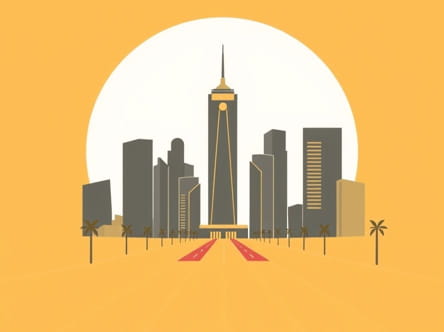
Riyadh is one of the most intriguing cities in the Middle East, blending rapid modern development with rich historical and cultural roots. As the capital of Saudi Arabia, Riyadh holds political significance, economic power, and a unique urban identity. This city of contrasts combines futuristic skyscrapers and malls with traditional souks, Islamic heritage, and desert landscapes. Understanding how Riyadh city functions, grows, and attracts people from across the world offers insight into a region that continues to transform at a remarkable pace.
Geography and Climate of Riyadh
Location in Saudi Arabia
Riyadh is located in the central part of Saudi Arabia, on a plateau within the Najd region. This positioning makes it far from the coastlines but central to the kingdom’s political and administrative activities. Its location gives it a distinctive desert environment with long summers and brief, mild winters.
Weather Patterns
Riyadh experiences a desert climate characterized by
- Extremely hot summers, with temperatures often exceeding 45°C (113°F)
- Cooler winter months, especially during December and January
- Very little rainfall, usually confined to short bursts during spring or fall
The dry and arid climate makes water management and urban planning essential for the city’s sustainability.
Population and Growth
Demographic Expansion
Riyadh is one of the fastest-growing cities in the region. Its population has surged in recent decades, driven by internal migration and an influx of foreign workers. As of the most recent estimates, Riyadh has a population of over 7 million residents, making it the largest city in Saudi Arabia.
Diverse Residents
Though the majority of Riyadh’s population is Saudi, a significant portion is made up of expatriates from South Asia, Southeast Asia, Africa, and other parts of the Arab world. This diversity is reflected in the city’s food, neighborhoods, and workforce.
Urban Structure and Neighborhoods
City Layout
Riyadh is organized in a grid-like pattern, with major roads, ring roads, and boulevards connecting various districts. The city includes administrative areas, commercial centers, residential suburbs, and industrial zones. Notable areas include
- OlayaA modern district known for hotels, restaurants, and business offices
- Al MalazOne of the older neighborhoods, home to parks and family-friendly facilities
- Diplomatic QuarterHouses many embassies and offers upscale housing and amenities
- King Abdullah Financial DistrictA major financial hub under development, symbolizing Riyadh’s economic vision
Transportation Infrastructure
Riyadh is undergoing a major transformation in public transport. The Riyadh Metro system, once fully operational, will provide multiple lines connecting key parts of the city. In addition to buses and taxis, the metro will be a game-changer for daily commuting and city planning.
Economy and Industry
Economic Importance
Riyadh serves as the economic heart of Saudi Arabia. Although the city was historically less reliant on oil compared to coastal cities, it has grown into a center for finance, commerce, and government. Key sectors include
- Government services and administration
- Banking and financial services
- Real estate and construction
- Retail and hospitality
Vision 2030 and Development
Riyadh plays a vital role in Saudi Arabia’s Vision 2030 a national strategy aimed at reducing the country’s dependence on oil and diversifying its economy. The city is a focus point for several mega-projects including NEOM connections, entertainment cities, and smart infrastructure programs.
Culture and Lifestyle
Traditions and Modern Life
Life in Riyadh reflects a blend of conservative values and increasing modernization. Islamic traditions guide everyday behavior, but the city has slowly opened up to more social activities, especially since reforms began in the past few years.
Entertainment and Recreation
Until recently, entertainment in Riyadh was limited. Now, cultural and entertainment options have grown to include
- Shopping malls and luxury brands
- International and local restaurants
- Concerts, cinema, and art exhibitions
- Seasonal events like Riyadh Season and Formula E races
Religious and Historical Sites
Riyadh is home to several mosques and historical landmarks, including
- Al Masmak FortressA symbol of Saudi unification efforts in the early 20th century
- National Museum of Saudi ArabiaA modern museum displaying the kingdom’s heritage
- Imam Turki bin Abdullah Grand MosqueA major religious site located in the city center
Education and Innovation
Academic Institutions
Riyadh boasts many of Saudi Arabia’s top universities, including
- King Saud University
- Prince Sultan University
- Al Yamamah University
These institutions are crucial for producing skilled graduates to support economic diversification.
Technology and Innovation
With a push toward digital transformation, Riyadh is also emerging as a center for technology and innovation. Programs to support startups, IT development, and data infrastructure are gaining traction, reflecting a shift toward a knowledge-based economy.
Challenges and Future Outlook
Urban Challenges
Despite its growth, Riyadh faces several challenges
- Traffic congestion and reliance on cars
- Water scarcity and environmental sustainability
- Affordable housing for lower-income residents
City planners are actively addressing these issues through zoning changes, infrastructure expansion, and smart-city initiatives.
Riyadh’s Future Potential
Looking ahead, Riyadh is positioned to become one of the leading cities in the Middle East. With a young population, modern infrastructure projects, and strong governmental support, the city is transforming into a global destination for business, culture, and tourism.
Riyadh is a city in transformation rapidly evolving from a traditional desert capital into a modern metropolis. From its growing population and high-rise buildings to its cultural roots and economic strength, Riyadh plays a vital role in shaping the future of Saudi Arabia. Understanding how Riyadh functions, its opportunities and challenges, and its vision for the future provides a comprehensive view of one of the most important cities in the Arab world. Whether you’re a traveler, investor, or someone simply curious about Middle Eastern urban development, Riyadh city offers a compelling and complex portrait of change and continuity.