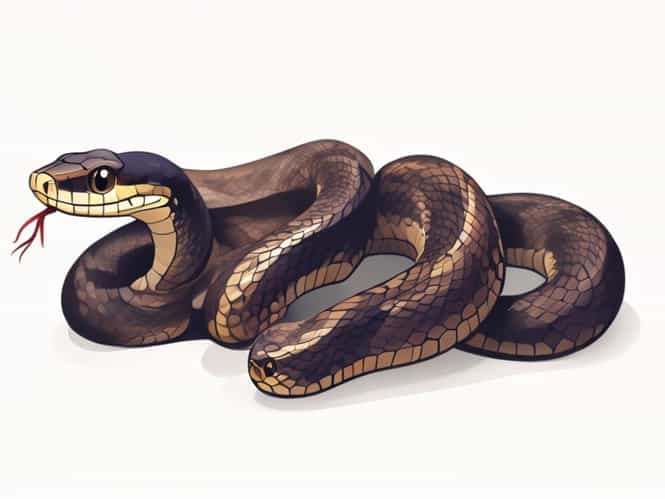
Garter snakes are one of the most common and widely recognized snakes in North America, admired for their adaptability and relatively harmless nature. Many people encounter garter snakes in gardens, forests, and wetlands, making them familiar and often misunderstood creatures. One of the most frequently asked questions about these snakes is how long they live. Understanding the lifespan of garter snakes requires examining factors such as species variation, environmental conditions, diet, and predation risks. Lifespan knowledge not only satisfies curiosity but also helps in conservation efforts and responsible handling of these reptiles.
Overview of Garter Snakes
Garter snakes belong to the genus Thamnophis, which includes numerous species distributed across North and Central America. These snakes are typically small to medium-sized, often exhibiting striped patterns along their bodies. Garter snakes are non-venomous and pose little threat to humans, which makes them popular among reptile enthusiasts. They play an important ecological role by controlling populations of insects, amphibians, and small rodents. Their ability to thrive in diverse habitats contributes to their prevalence and resilience in the wild.
Common Species
Different species of garter snakes can have slightly varying lifespans. Some of the most common species include
- Eastern Garter Snake (Thamnophis sirtalis sirtalis)
- Common Garter Snake (Thamnophis sirtalis)
- Western Terrestrial Garter Snake (Thamnophis elegans)
- Checkered Garter Snake (Thamnophis marcianus)
While these species share general traits such as diet and habitat preferences, their lifespans may differ slightly depending on environmental pressures and genetic factors.
Lifespan in the Wild
In the wild, garter snakes face numerous challenges that affect their lifespan. Predation by birds, mammals, and other larger reptiles can reduce life expectancy. Additionally, environmental factors such as harsh winters, drought, or scarcity of prey can influence survival. On average, wild garter snakes live between 4 and 8 years, though some individuals may survive longer under favorable conditions. Those that successfully evade predators and find abundant food may reach ages of up to 10 years.
Factors Affecting Lifespan in the Wild
- Predation Garter snakes are preyed upon by hawks, raccoons, foxes, and larger snakes.
- Climate Extreme temperatures, particularly cold winters, can limit survival.
- Habitat Availability of shelter such as rocks, logs, and burrows is crucial.
- Food Supply Access to amphibians, worms, insects, and small mammals impacts health.
- Disease Parasitic infections and environmental toxins can reduce lifespan.
Lifespan in Captivity
Garter snakes kept in captivity often live longer than their wild counterparts due to controlled environments and regular access to food. Captive snakes are protected from predators, extreme weather, and scarcity of prey. With proper care, garter snakes in captivity can live between 8 and 12 years, and some individuals have been known to reach ages up to 15 years. Captive longevity depends on diet, enclosure size, temperature regulation, and veterinary care. Proper husbandry ensures the snake remains healthy and reproduces successfully, contributing to longer lifespans.
Tips for Extending Lifespan in Captivity
- Provide a spacious enclosure with hiding places and water sources.
- Maintain appropriate temperature and humidity levels for thermoregulation.
- Feed a balanced diet including fish, earthworms, amphibians, and occasional rodents.
- Ensure regular cleaning of the habitat to prevent disease.
- Monitor for signs of illness and consult a veterinarian experienced with reptiles.
Reproduction and Lifespan
The reproductive cycle of garter snakes also influences their lifespan. These snakes typically breed in the spring after emerging from hibernation, and females give birth to live young in late summer or early fall. Reproduction can be energetically demanding, especially for females, and may slightly reduce lifespan due to the physical stress associated with gestation and birthing. However, successful reproduction is essential for species survival, and garter snakes have evolved strategies to balance reproductive output with longevity.
Juvenile Survival
Juvenile garter snakes face higher mortality rates than adults, often due to predation and competition for resources. Only a portion of hatchlings survive to adulthood, which makes the average lifespan in the wild appear shorter than the potential lifespan of individual snakes. This juvenile vulnerability emphasizes the importance of habitat protection and food availability for sustaining healthy populations.
Environmental Influences
Environmental factors are key determinants of garter snake longevity. Seasonal changes, particularly cold winters, can induce hibernation, slowing metabolism and conserving energy. Conversely, extreme heat or drought conditions can reduce available prey and increase stress. Urbanization and habitat destruction also threaten populations by limiting shelter and resources. Conservation of natural habitats and creating safe environments in urban areas can help garter snakes live closer to their maximum lifespan potential.
Predation and Survival Strategies
Garter snakes have developed behavioral and physical adaptations to evade predators. These include
- Mimicking more dangerous species to deter predators.
- Releasing a foul-smelling musk when threatened.
- Hiding under rocks, logs, or dense vegetation.
- Rapid movement and agility to escape attacks.
Such adaptations contribute to individual survival and, consequently, the potential for longer lifespans.
Importance of Understanding Lifespan
Knowing how long garter snakes live is valuable for several reasons. It helps ecologists estimate population dynamics and the impact of environmental changes on species survival. For hobbyists and pet owners, understanding lifespan ensures proper long-term care and investment in maintaining a healthy snake. In addition, public awareness of their longevity and ecological role can foster conservation efforts and reduce unnecessary fear or persecution of these harmless reptiles.
Garter snakes, with their widespread presence and adaptability, typically live 4 to 8 years in the wild, though some can survive up to 10 years under favorable conditions. In captivity, with proper care, these snakes can live between 8 and 12 years, and occasionally up to 15 years. Factors influencing lifespan include predation, environmental conditions, availability of food, reproductive stress, and disease. By understanding these factors, both ecologists and snake enthusiasts can appreciate the resilience and ecological importance of garter snakes. Providing safe habitats and proper care can help these snakes reach their full lifespan potential, allowing humans to coexist with these beneficial reptiles.