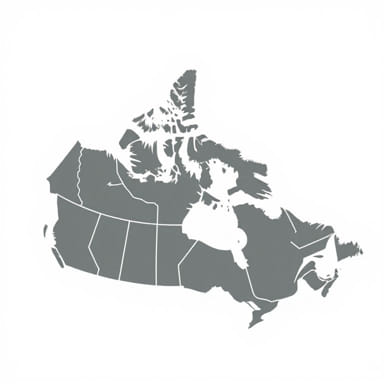
Canada is a vast and diverse country that spans the northern part of North America. It is known for its stunning natural landscapes, multicultural population, and strong political institutions. One of the key components of Canada’s political structure is its division into provinces and territories. Understanding how many provinces exist in Canada is essential for anyone interested in geography, governance, or Canadian culture. This division shapes regional identities, influences politics, and plays a major role in the country’s day-to-day operations.
Canada’s Political Geography
Provinces vs. Territories
Canada is composed of ten provinces and three territories. While both provinces and territories are considered primary administrative divisions, they differ in terms of political powers and governance structures.
- Provincesare sovereign in some areas of jurisdiction, such as education and health care, and they derive their powers from the Constitution Act of 1867.
- Territorieshave powers delegated by the federal government and are more directly controlled by Ottawa.
Why This Division Exists
The distinction between provinces and territories stems from Canada’s colonial history and how different regions were incorporated into the federation over time. Provinces tend to be older, more populous, and economically developed, while territories are located in the sparsely populated northern areas and often have larger Indigenous populations.
How Many Provinces Are in Canada?
Number of Provinces
Canada has a total of 10 provinces. These provinces are responsible for governing many aspects of daily life within their boundaries. They have the authority to make their own laws and manage their own resources in key areas, contributing significantly to the decentralization of Canadian governance.
List of the 10 Provinces
- Alberta
- British Columbia
- Manitoba
- New Brunswick
- Newfoundland and Labrador
- Nova Scotia
- Ontario
- Prince Edward Island
- Quebec
- Saskatchewan
Overview of Each Canadian Province
Alberta
Located in Western Canada, Alberta is known for its oil sands, the Rocky Mountains, and vibrant cities like Calgary and Edmonton. The province plays a key role in Canada’s energy sector.
British Columbia
British Columbia, on the west coast, is famous for its natural beauty, coastal rainforests, and the cosmopolitan city of Vancouver. It has strong ties to the Pacific Rim economy.
Manitoba
Situated in the center of the country, Manitoba is known for its prairies, lakes, and the culturally diverse city of Winnipeg. Agriculture and mining are major industries here.
New Brunswick
As one of the Maritime provinces, New Brunswick is bilingual (English and French) and is known for its forests, coastal towns, and friendly communities.
Newfoundland and Labrador
This easternmost province includes the island of Newfoundland and mainland Labrador. It has a unique history and culture shaped by the sea and its isolation.
Nova Scotia
Another Maritime province, Nova Scotia is rich in history and culture. The capital, Halifax, is a major port city with strong economic and naval traditions.
Ontario
Ontario is Canada’s most populous province and home to major cities such as Toronto and Ottawa, the nation’s capital. It is the economic powerhouse of the country.
Prince Edward Island
The smallest province in terms of both area and population, Prince Edward Island is known for its red soil, farming, and the famous novel Anne of Green Gables.
Quebec
Quebec is the largest province by area and has a predominantly French-speaking population. It has a unique legal system based on civil law and a strong cultural identity.
Saskatchewan
Located in the prairie region, Saskatchewan is known for wheat farming, natural resources, and wide open spaces. Regina and Saskatoon are its major urban centers.
The Three Territories of Canada
Names of the Territories
- Northwest Territories
- Nunavut
- Yukon
These territories cover vast, remote areas in the northern part of Canada and are home to many Indigenous communities. They are less populated and have different governance structures compared to provinces.
Difference in Power
While territories can pass local laws, they do not have the same constitutional powers as provinces. Their governance is more directly influenced by the federal government.
Historical Context of the Provinces
Confederation and Expansion
Canada’s Confederation began in 1867 with four provinces Ontario, Quebec, Nova Scotia, and New Brunswick. Over time, the country expanded as more provinces and territories joined the union. Newfoundland and Labrador was the last province to join in 1949.
How Provinces Were Formed
Some provinces, such as Alberta and Saskatchewan, were carved out of existing territories as population and economic activity increased. The development of transportation and resource industries encouraged settlement in these areas, leading to provincehood.
Role of Provinces in Canadian Society
Education and Healthcare
Each province is responsible for delivering public services such as education and healthcare. This means that school systems and health programs may vary from one province to another.
Economic Contributions
Provinces like Alberta contribute significantly to Canada’s oil production, while Ontario is central to finance and manufacturing. Quebec has a strong cultural industry and hydropower production.
Political Influence
Canada’s political system gives provinces a significant role in national affairs through representation in the Senate and House of Commons. Premiers (provincial leaders) also meet regularly with the Prime Minister to discuss intergovernmental issues.
Interesting Facts About Canadian Provinces
- Quebec is the only province where French is the sole official language.
- Ontario is home to the largest city in Canada Toronto.
- Prince Edward Island is connected to the mainland by the Confederation Bridge, one of the longest in the world.
- British Columbia is the gateway to the Pacific and hosts major ports and tech industries.
- Newfoundland and Labrador has its own time zone (30 minutes ahead of Atlantic Time).
Canada is composed of 10 provinces and 3 territories, each playing a unique role in the nation’s identity and governance. From the prairies of Saskatchewan to the coastal beauty of Nova Scotia and the vast wilderness of British Columbia, each province adds to the rich tapestry of Canadian life. Understanding how many provinces there are and what sets them apart is key to appreciating the complexity and beauty of Canada’s geography and political system. Whether you’re a student, traveler, or curious reader, knowing about Canada’s provinces enhances your insight into one of the world’s most admired countries.