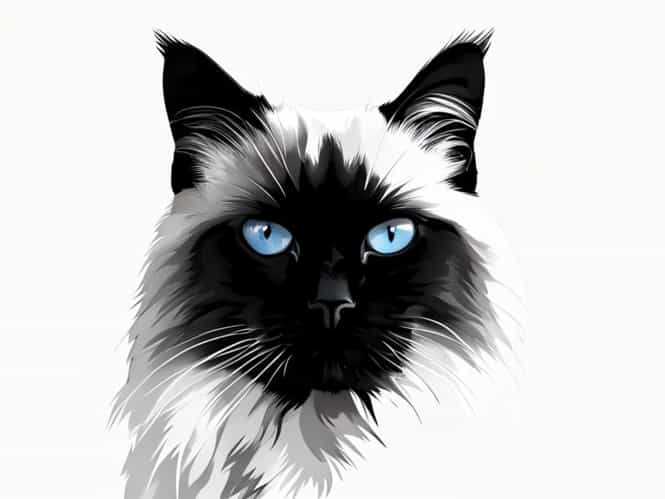
The Maine Coon is one of the largest and most popular cat breeds in the world, known for its impressive size, fluffy coat, and friendly temperament. Due to their large build and striking appearance, many potential cat owners often wonder, How much does a Maine Coon weigh? The answer to this question depends on several factors, including gender, age, and genetics. In this topic, we will explore the typical weight range for Maine Coon cats, factors that affect their weight, and how to ensure your Maine Coon stays healthy and well-maintained.
Understanding the Average Weight of a Maine Coon
The Maine Coon is considered a giant breed, and they are known for being one of the largest domesticated cat breeds. As a general rule, male Maine Coons are significantly larger than females. The average weight for a fully grown Maine Coon is typically between 10 to 25 pounds (4.5 to 11.3 kg), but some males can weigh even more, with some individuals reaching 30 pounds (13.6 kg) or more.
Male Maine Coons
Male Maine Coons tend to be much heavier than females, with the typical weight range falling between 13 to 18 pounds (5.9 to 8.2 kg). However, it is not uncommon for a particularly large male Maine Coon to exceed 20 pounds (9.1 kg) or even approach 30 pounds (13.6 kg). These cats are generally longer, more muscular, and have a broader frame compared to females.
Female Maine Coons
Female Maine Coons, although still large in comparison to most domestic cats, are generally smaller and lighter than their male counterparts. The typical weight range for females is between 8 to 12 pounds (3.6 to 5.4 kg). Like males, females can also grow quite large, but it is rare for them to exceed the size of an average male Maine Coon. Still, a healthy and properly cared-for female Maine Coon can be an impressive size compared to other cat breeds.
Factors Influencing the Weight of a Maine Coon
Several factors play a role in determining how much a Maine Coon weighs. Genetics, diet, activity level, and overall health all have a significant impact on the weight and size of a Maine Coon. Let’s take a look at some of the most common factors that influence the weight of this majestic breed.
Genetics
The most important factor in determining the weight of a Maine Coon is its genetics. Some Maine Coons are naturally larger than others due to their genetic lineage. A Maine Coon from a line of particularly large cats will likely grow to be larger than one from a smaller line. The size of the parents is also a good indicator of how large the kitten will eventually grow. However, even with genetic predispositions, individual growth patterns can vary significantly.
Diet
Proper nutrition is key to maintaining a healthy weight for a Maine Coon. If the cat is fed a balanced diet rich in high-quality protein and essential nutrients, it will likely reach its full growth potential. Overfeeding or feeding a diet that is too high in fat and carbohydrates can lead to obesity, which can negatively affect the cat’s health. It’s important to consult with a veterinarian to determine the appropriate diet and feeding schedule based on the cat’s age, size, and activity level.
Activity Level
Like humans, a Maine Coon’s weight is also influenced by how active it is. Maine Coons are typically playful and curious cats, so a Maine Coon that regularly engages in physical activity, such as climbing, running, and playing, is likely to maintain a healthy weight. However, a sedentary Maine Coon that is kept indoors and does not get much exercise may be prone to gaining excess weight. Ensuring your Maine Coon has enough space to roam and plenty of interactive playtime will help maintain its ideal weight.
Age
The weight of a Maine Coon also changes throughout its life. Kittens and young adults are much smaller than fully grown Maine Coons. It takes around 3 to 4 years for a Maine Coon to reach its full adult size, so a kitten or young adult will weigh considerably less than an older, fully mature Maine Coon. Generally, a Maine Coon reaches its full size and weight by the time it is about 4 years old, although some cats may continue to grow for an additional year or two.
Health Conditions
Health problems can also impact the weight of a Maine Coon. If the cat suffers from a medical condition such as hyperthyroidism, diabetes, or gastrointestinal problems, it may experience weight loss or difficulty gaining weight. Conversely, other health conditions, such as arthritis or metabolic disorders, can lead to weight gain. It is essential to monitor your Maine Coon’s health and seek veterinary care if there are concerns about sudden weight changes.
Maintaining a Healthy Weight for Your Maine Coon
To ensure that your Maine Coon stays at a healthy weight, there are several practices you can adopt. Maintaining a balanced diet, providing plenty of physical activity, and keeping an eye on any health issues will help your Maine Coon live a long, healthy life. Here are some tips for keeping your Maine Coon at its ideal weight
1. Proper Diet and Nutrition
- Feed your Maine Coon a high-quality, well-balanced diet. Look for food that is rich in protein and low in fillers like corn or soy. Some Maine Coon owners opt for food specifically designed for large breeds to support their cat’s unique nutritional needs.
- Portion control is important. Overfeeding can lead to obesity, so make sure you are providing the right amount of food based on your Maine Coon’s age, weight, and activity level.
- Avoid giving your Maine Coon too many treats. While treats are a great way to bond with your cat, too many can lead to weight gain. Choose healthy, low-calorie treats and give them sparingly.
2. Encourage Physical Activity
- Provide plenty of opportunities for your Maine Coon to stay active. Maine Coons love to play and explore, so ensure they have space to run around and engage in interactive play.
- Invest in scratching posts, climbing trees, and other cat furniture that will encourage your Maine Coon to be physically active and mentally stimulated.
- Play with your Maine Coon regularly to ensure it gets enough exercise. Activities like chasing toys, running, or even training sessions can help your Maine Coon burn off excess energy and stay healthy.
3. Regular Veterinary Checkups
- Ensure that your Maine Coon receives regular veterinary checkups to monitor its health and weight. If you notice any significant changes in your cat’s weight, appetite, or behavior, consult with a vet to rule out any potential health problems.
- Ask your vet to assess your Maine Coon’s weight and provide advice on managing their weight through diet, exercise, and general care.
the weight of a Maine Coon can vary depending on various factors, including gender, genetics, diet, and activity level. Typically, male Maine Coons weigh between 13 to 18 pounds, while females tend to weigh between 8 to 12 pounds. However, it is not uncommon for particularly large Maine Coons to exceed these averages, with some cats reaching up to 30 pounds. Maintaining a healthy weight is essential for your Maine Coon’s well-being, and ensuring they get a balanced diet, sufficient exercise, and regular veterinary checkups is key to helping them stay fit and healthy throughout their lives.