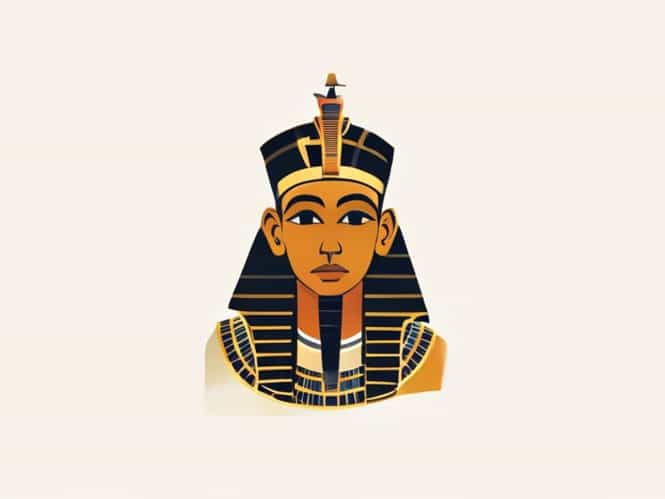
Amenhotep III, often called Amenhotep the Magnificent, ruled Egypt during one of its most prosperous and peaceful periods, around 1391 1353 BCE. His reign, part of the 18th Dynasty, marked the peak of Egypt’s wealth, influence, and artistic splendor. The question how rich was Amenhotep III goes far beyond simple numbers it touches on the immense power, resources, and luxury that surrounded one of the greatest pharaohs in Egyptian history. Through vast trade networks, tributes from foreign lands, and massive building projects, Amenhotep III accumulated a level of wealth that few rulers in history could match.
The Economic Prosperity of Amenhotep III’s Reign
Amenhotep III inherited a stable and powerful kingdom from his father, Thutmose IV. Unlike many pharaohs who had to wage wars to secure their reign, Amenhotep III ruled during a time of peace. This stability allowed Egypt to focus on wealth accumulation through diplomacy, trade, and monumental architecture rather than warfare.
Egypt under Amenhotep III was the richest nation of its time. The economy flourished due to the fertile Nile Valley, gold mines in Nubia, and trade routes stretching from Mesopotamia to Crete. Foreign rulers sent lavish gifts and tributes to Egypt to maintain good relations with the powerful pharaoh. These offerings included gold, ivory, ebony, gemstones, and exotic animals.
Sources of His Wealth
- Tributes from vassal statesNeighboring kingdoms in the Near East and Africa paid regular tributes to Egypt, bringing enormous wealth to the royal treasury.
- Trade with foreign powersEgypt’s trade with Syria, Nubia, and the Aegean brought luxury goods like copper, silver, lapis lazuli, and fine pottery.
- Gold mines in NubiaThe southern region of Nubia, under Egyptian control, contained some of the richest gold deposits in the ancient world, often referred to as the gold of the pharaohs.
- Agricultural surplusThe annual flooding of the Nile created fertile land, ensuring abundant harvests and stable food supplies that supported Egypt’s prosperity.
These factors combined to make Amenhotep III’s Egypt an economic powerhouse. The sheer abundance of gold and goods gave Egypt unmatched prestige among ancient nations.
Royal Palaces and Luxurious Lifestyle
Amenhotep III’s immense wealth was reflected in his grand building projects and royal lifestyle. The pharaoh’s main residence was the magnificent palace complex at Malkata, near Thebes (modern Luxor). This royal city covered hundreds of acres and included vast halls, courtyards, artificial lakes, and gardens filled with exotic plants and animals imported from across the empire.
The walls of his palaces were decorated with colorful murals showing scenes of luxury and divine worship. Archaeological evidence suggests that the palace was furnished with gold-plated furniture, alabaster vessels, and intricately carved jewelry. Amenhotep III’s court was known for its opulence, hosting feasts, musical performances, and elaborate religious festivals celebrating the pharaoh’s divine status.
The Royal Jewels and Finery
Jewelry from the period of Amenhotep III showcases the immense wealth of the royal household. Gold necklaces, bracelets, and crowns embedded with precious stones like turquoise and carnelian were common among the elite. The pharaoh himself was often depicted wearing elaborate collars and headdresses that symbolized both divine power and material richness.
Artisans during his reign reached remarkable levels of craftsmanship. Objects found from this period including scarabs, statues, and ceremonial items reflect a combination of artistry and abundance that clearly indicates the wealth circulating in royal circles.
Monumental Architecture as a Display of Wealth
One of the most visible signs of Amenhotep III’s wealth was his vast building program. He commissioned more temples and monuments than perhaps any other pharaoh before him. These projects not only honored the gods but also served as displays of royal power and economic dominance.
Famous Constructions
- The Temple of LuxorBuilt largely under Amenhotep III’s direction, this grand temple still stands as one of Egypt’s most impressive architectural achievements.
- The Colossi of MemnonTwo enormous statues, each over 18 meters tall, were constructed to guard the entrance of his mortuary temple. These colossal figures symbolize the strength and wealth of the king.
- The Temple of Amun at KarnakAmenhotep III contributed to the expansion of this temple complex, decorating it with massive statues and inscriptions glorifying his reign.
- Palace at MalkataHis royal residence, with its luxurious design, demonstrated the prosperity of the 18th Dynasty.
Such projects required vast resources both material and human. Thousands of skilled workers, artisans, and laborers were employed, while vast quantities of stone, gold, and other materials were transported from distant regions. The construction of these monuments not only reflected Amenhotep III’s personal wealth but also the economic strength of his entire empire.
Diplomacy and the Wealth of Alliances
Amenhotep III’s reign was marked by strong diplomatic relations with other powerful kingdoms, including Babylon, Mitanni, and Assyria. Instead of relying on military conquest, he used diplomacy and marriage alliances to expand Egypt’s influence. Letters from the Amarna archives reveal that foreign rulers often sent lavish gifts to Egypt, recognizing Amenhotep’s superior status.
He married several foreign princesses, including Gilukhepa and Tadukhepa of Mitanni, cementing alliances that brought additional wealth to Egypt. These royal marriages were accompanied by enormous dowries gold, silver, horses, and luxury goods further enriching the Egyptian court.
Tributes from Foreign Lands
Correspondence between Amenhotep III and other rulers often discussed the exchange of gifts. Kings of Babylon and Mitanni requested Egyptian gold, acknowledging that gold is like dust in your land. Such statements demonstrate how Egypt under Amenhotep III was seen as a land overflowing with riches. The flow of tributes and gifts into the Egyptian treasury turned Thebes into a center of global wealth in the ancient world.
Religious Festivals and Public Displays of Wealth
Amenhotep III also used religion to display his immense riches and divine authority. He celebrated several Sed festivals royal jubilees that reaffirmed his power and godlike status. These celebrations were grand public events featuring banquets, processions, and offerings to the gods. Temples were decorated with scenes of the pharaoh being renewed with divine energy, surrounded by gold and incense.
Such events were not merely religious; they were political displays of Egypt’s prosperity. Through these festivals, Amenhotep III reinforced the idea that his wealth was not just material but also a sign of divine favor. His association with the sun god Amun-Ra emphasized that his power was eternal and divinely sanctioned.
The Legacy of Amenhotep III’s Wealth
By the end of his reign, Amenhotep III had transformed Egypt into a global center of culture, wealth, and diplomacy. His economic policies and monumental achievements laid the foundation for the reign of his son, Amenhotep IV (later Akhenaten). However, the sheer scale of his luxury and building projects also strained resources over time, contributing to changes in Egypt’s political landscape in later years.
Archaeological discoveries continue to reveal the extraordinary richness of his era. Excavations of his palace, tombs of nobles, and temple complexes show evidence of abundant gold, fine craftsmanship, and a sophisticated economy. Historians often describe Amenhotep III’s reign as the golden age of ancient Egypt a period when the kingdom’s wealth reached its absolute peak.
So, how rich was Amenhotep III? In both material and symbolic terms, he was among the wealthiest rulers the ancient world ever saw. His reign stood at the height of Egypt’s prosperity, powered by gold from Nubia, trade across continents, and tributes from allied nations. The colossal temples, luxurious palaces, and artistic masterpieces created under his rule were not just symbols of royal extravagance they were expressions of a civilization at its zenith. Amenhotep III’s wealth was not merely counted in gold and jewels but in influence, legacy, and the enduring splendor of ancient Egypt that still captivates the world today.