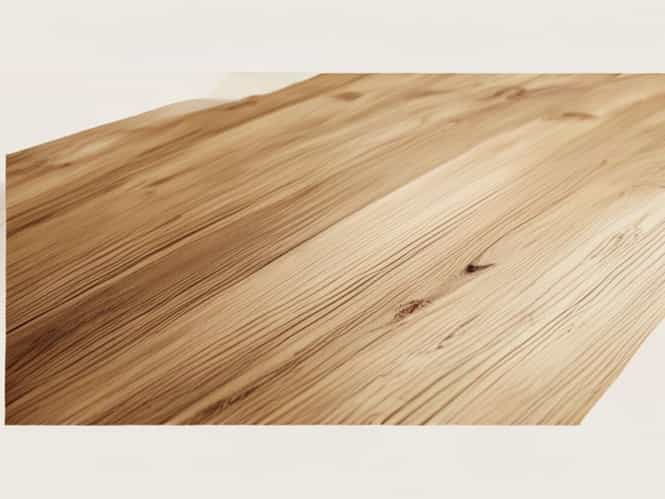
Abrading a wood floor is an essential step when preparing for refinishing, recoating, or restoring worn surfaces. Many homeowners assume that sanding and abrading are the same, but abrading is a more controlled and less aggressive process that helps create a smooth, even texture without removing too much material. Learning how to abrade a wood floor properly ensures better adhesion for new finishes, enhances durability, and helps restore the floor’s natural beauty. With the right tools, preparation, and techniques, anyone can achieve a professional-looking result and maintain a long-lasting wood floor.
Understanding the Purpose of Abrading
Abrading a wood floor involves lightly scuffing the existing surface to remove minor imperfections and prepare it for a new coat of finish. Rather than stripping away layers of wood, abrading focuses on creating a slightly rough texture that helps finishing products bond more effectively. This process is crucial whether you are applying polyurethane, water-based coatings, or oils.
When Abrading Is Recommended
- Reapplying a finish to a floor that still has an intact coating.
- Removing light scratches, scuff marks, or dull areas.
- Enhancing adhesion before applying maintenance coats.
- Preparing floors between finish layers during refinishing projects.
Tools and Materials Needed
Before starting the abrading process, gather the necessary tools and materials to ensure efficiency and safety. Choosing the correct grit level and equipment is essential for preventing damage to the wood surface.
- A floor buffer or orbital sander.
- Abrasion pads or screens (typically 120 150 grit).
- Vacuum cleaner and microfiber mop.
- Tack cloths for dust removal.
- Safety gear gloves, mask, goggles, and ear protection.
- Optional hand sanding pads for edges and tight corners.
Preparing the Wood Floor
Proper preparation ensures smooth results and prevents contaminants from affecting the finish. Taking your time to clean and inspect the floor creates a strong foundation for abrading.
1. Clear the Area
Remove all furniture, rugs, and decor from the room. Wood floor abrasion requires unobstructed space because dust can scatter easily and equipment needs room to move freely.
2. Clean the Floor Thoroughly
Start by sweeping or vacuuming the entire floor to remove dirt, dust, and debris. Any ptopics left on the surface can cause scratches or leave uneven marks when you begin abrading.
- Use a vacuum with a floor-safe attachment.
- Follow with a damp microfiber mop to pick up fine dust.
- Avoid harsh cleaners that may react with the finish.
3. Inspect for Damage
Check for deep scratches, cracks, or loose boards. Abrading will not fix major damage, so addressing structural issues beforehand ensures the final result is smooth and uniform.
How to Abrade a Wood Floor Step by Step
The abrading process should be done carefully to avoid removing too much finish or causing swirl marks. Follow these steps to achieve a consistent and professional finish.
Step 1 Choose the Right Abrasive
Select an abrasive screen or pad based on the current condition of your floor. For light abrasion between coats, 150 grit is ideal. For slightly rougher surfaces, 120 grit may be more effective.
Step 2 Attach the Screen to the Buffer
Place the abrasive screen under the floor buffer pad. Ensure the screen lies flat and is secured properly so it does not tear or cause uneven abrasion during use. A well-secured screen improves control and consistency.
Step 3 Start Buffing the Floor
Turn on the floor buffer and begin moving it slowly across the room. Use steady, overlapping passes to ensure every section receives even abrasion. Avoid keeping the buffer in one spot to prevent uneven marks or gouging.
- Work with the grain of the wood if possible.
- Use smooth motions and avoid abrupt changes in direction.
- Repeat passes as needed until the sheen becomes consistently dull.
Step 4 Abrade Edges and Corners by Hand
Floor buffers cannot reach tight edges or corners, so use a hand sanding pad or small orbital sander to lightly abrade these areas. Match the grit level to what was used on the main floor for a seamless appearance.
Step 5 Vacuum the Floor Again
Abrading produces fine dust that can interfere with finish adhesion. Thoroughly vacuum the entire surface, paying careful attention to baseboards and corners where dust collects quickly. Use a soft-bristle floor attachment to avoid scratching.
Step 6 Wipe with Tack Cloth
After vacuuming, wipe the entire floor with a tack cloth or microfiber pad to remove remaining dust. Achieving a clean, dust-free surface is essential for smooth finish application.
Tips for a Successful Abrasion Process
To ensure the best results, follow a few additional tips that help minimize common problems and create a flawless surface ready for refinishing.
- Use light pressure when abrading to avoid removing too much of the existing finish.
- Replace abrasive screens when they become clogged for consistent performance.
- Work in well-lit conditions to easily spot uneven areas.
- Wear proper protective equipment to avoid inhaling dust.
- Allow enough time between abrasion and finishing to ensure all dust is cleared.
Common Mistakes to Avoid
Even simple tasks like abrading a wood floor can lead to problems if not done correctly. Avoiding these common mistakes can save time, reduce repair costs, and improve the quality of your results.
Using Too Rough of a Grit
Grit that is too coarse can scratch the surface excessively and remove more material than necessary. This may require additional sanding or refinishing to correct.
Skipping the Cleaning Steps
Dust or debris left on the floor can cause swirl marks, uneven texture, or adhesion issues with the new finish. Always clean before and after abrading.
Pressing Down Too Hard
Applying excessive pressure on the buffer can lead to deep scratches or uneven dulling. Light, consistent pressure works best.
Not Abrading Between Coats
If applying multiple layers of finish, abrading lightly between coats ensures better adhesion and a smoother final appearance. Skipping this step may cause peeling or uneven sheen.
Abrading a wood floor is a manageable and effective way to prepare for refinishing or recoating while preserving the integrity of the wood surface. By using the right tools, following careful preparation steps, and applying controlled technique, you can create a smooth, even texture that allows finishes to bond properly. Whether refreshing an older floor or maintaining a recently refinished one, proper abrasion ensures durability, improves appearance, and keeps your wood floors looking beautiful for years to come.