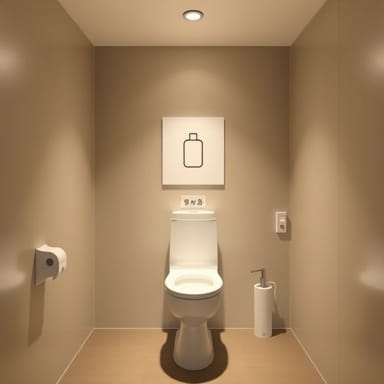
When traveling to Japan or interacting with Japanese speakers, knowing how to ask for essential places like the restroom is extremely helpful. The Japanese language has multiple ways of referring to a restroom or toilet, each with varying levels of politeness and situational appropriateness. Mastering how to say restroom in Japanese can make your experience smoother and show respect for the culture and customs of Japan. This topic explores different terms for ‘restroom’ in Japanese, how to pronounce them, when to use each one, and tips on using them in sentences.
Common Ways to Say Restroom in Japanese
1. ãã¤ã¬ (Toire)
This is the most widely used and recognized term for ‘restroom’ in Japanese. It comes from the English word toilet but has been adapted into Japanese pronunciation as toire. It is informal but acceptable in most public settings, such as restaurants, stations, and shopping centers.
- Pronunciation: /to.i.re/
- Example sentence: ãã¤ã¬ã¯ã©ãã§ããï¼ (Toire wa doko desu ka?) – Where is the restroom?
2. ãææ´ ã (Otearai)
More polite than toire, this word literally means hand washing place. It’s commonly used in formal settings, such as in hotels, traditional establishments, or during polite conversations. The honorific ã adds a level of politeness.
- Pronunciation: /o.te.a.ra.i/
- Example sentence: ãææ´ ãã¯ã©ãã«ããã¾ããï¼ (Otearai wa doko ni arimasu ka?) – Where is the restroom? (very polite)
3. å粧室 (Keshoushitsu)
This word means powder room or makeup room, and you might find it on signs in department stores, malls, or airports. It sounds formal and is often used in written form or signage rather than spoken conversation.
- Pronunciation: /ke.sho.u.shi.tsu/
- Example sentence: å粧室ã¯ãã®éã«ããã¾ãã (Keshoushitsu wa kono kai ni arimasu.) – The restroom is on this floor.
4. WC or Water Closet
In some Japanese buildings or public restrooms, you may see the abbreviation ‘WC’ written on doors. While it’s not used in spoken language, it’s helpful to recognize this in written form, especially for international travelers.
- Usually not spoken aloud, just read on signs.
- Visual familiarity is key in identifying the right place.
Understanding the Context and Usage
Informal Settings
In everyday conversations among friends or in casual situations, using ãã¤ã¬ (toire) is perfectly acceptable. It’s brief, easy to remember, and understood by all Japanese speakers regardless of age or region.
Formal or Polite Conversations
When speaking with someone you don’t know well, or when you’re in a more traditional or formal environment, ãææ´ ã (otearai) is the preferred word. It’s respectful and shows you’re mindful of etiquette.
Reading Signs in Japan
In addition to learning the spoken terms, recognizing restroom signs is also useful. Here are some terms and characters you might see on public restroom signs:
- ç·æ§ (dansei) – Men
- å¥³æ§ (josei) – Women
- å¤ç®çãã¤ã¬ (tamokuteki toire) – Multipurpose toilet (often wheelchair accessible)
- å粧室 (keshoushitsu) – Restroom (often in department stores)
Asking for the Restroom in Japanese
When asking where the restroom is, the structure of your question matters, especially depending on the level of formality. Below are a few variations you can use depending on the situation.
Casual
- ãã¤ã¬ã©ãï¼ (Toire doko?) – Where’s the restroom? (informal, for friends)
Polite
- ãã¤ã¬ã¯ã©ãã§ããï¼ (Toire wa doko desu ka?) – Where is the restroom?
- ãææ´ ãã¯ã©ãã«ããã¾ããï¼ (Otearai wa doko ni arimasu ka?) – Where is the restroom? (more polite)
Very Formal
- æãå ¥ãã¾ããããææ´ ãã¯ã©ã¡ãã§ã ãããï¼ (Osore irimasu ga, otearai wa dochira deshou ka?) – Excuse me, but where might the restroom be?
Useful Tips for Learners
1. Practice with Native Speakers
One of the best ways to get used to using these terms is by practicing with native Japanese speakers or through language exchange platforms. Hearing how people naturally ask for directions will help solidify your understanding.
2. Learn Kanji for Sign Recognition
Since many restrooms are marked using kanji characters, memorizing a few key ones like ç·æ§ (men), å¥³æ§ (women), and å粧室 (restroom) can help you find what you need quickly in train stations, malls, and public places.
3. Don’t Be Afraid to Ask
Even if you’re unsure about pronunciation, Japanese people are generally kind and willing to help if you ask for the restroom. Just saying ãã¤ã¬ and making a questioning gesture is usually enough in a pinch.
Restroom Etiquette in Japan
When using restrooms in Japan, it’s important to be mindful of local customs. Japanese restrooms are usually clean and well-maintained, and there are a few unspoken rules to follow:
- Flush toilets properly after use. Some high-tech toilets flush automatically, but if not, look for buttons labeled with æµã (nagasu).
- If you use a bidet toilet, familiarize yourself with the buttons. There are usually English translations or diagrams.
- Do not talk loudly or make phone calls inside restroom stalls.
- In some places, public restrooms do not have soap or hand towels, so carrying a small bottle of hand sanitizer and tissues is a good idea.
Learning how to say restroom in Japanese is more than just memorizing a word it’s about understanding context, politeness levels, and cultural expectations. Whether you say ãã¤ã¬, ãææ´ ã, or read å粧室 on a sign, your awareness of the situation will guide which term to use. As a traveler, student, or language enthusiast, adding this essential vocabulary to your Japanese toolkit will enhance your confidence and help you navigate Japan with ease. Keep practicing and observe how locals use the terms in real life to improve your fluency and comfort with the language.