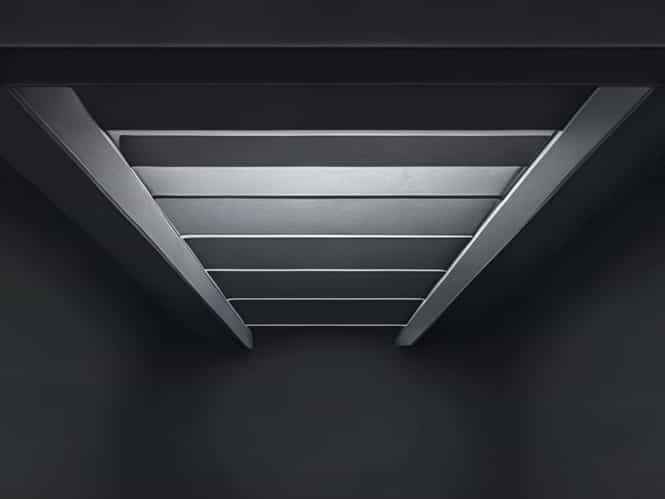
Designing a basement ceiling can be one of the most challenging yet rewarding aspects of remodeling an underground space. Unlike living areas above ground, basements often have low ceilings, exposed pipes, and limited natural light, making ceiling choices critical for both aesthetics and functionality. Selecting the right ceiling can enhance the overall ambiance, improve lighting, hide structural elements, and even provide sound insulation. Homeowners and designers alike need to explore a variety of ideas for basement ceilings, considering materials, finishes, and innovative design techniques to create a comfortable, stylish, and practical space.
Understanding the Basement Environment
Before choosing a ceiling for a basement, it’s important to understand the unique environment. Basements tend to have higher humidity levels, lower ceilings, and exposure to mechanical systems such as ductwork, plumbing, and electrical wiring. These factors influence the types of materials and designs that will work best. Moisture-resistant materials, lightweight panels, and suspended ceilings are commonly recommended solutions. Additionally, selecting a ceiling that maximizes vertical space and reflects light can help prevent a cramped or gloomy feel.
Common Basement Ceiling Materials
Several materials are suitable for basement ceilings, each offering distinct benefits
- DrywallProvides a smooth, finished look and can be painted any color. Drywall is ideal for a traditional or modern basement aesthetic but may require access panels for plumbing or electrical systems.
- Drop Ceiling (Suspended Ceiling)Allows easy access to pipes and wiring while hiding imperfections. Drop ceilings are available in various tile styles, including acoustical, decorative, and metallic finishes.
- Wood Panels or PlanksAdds warmth and texture to a basement. Wood can be installed in a grid or shiplap style, creating a cozy and stylish environment, though moisture-resistant options should be considered.
- Exposed BeamsHighlights the architectural structure and can create a rustic or industrial look. Painting or staining exposed beams can complement the design while maintaining a sense of openness.
- Metal Tiles or PanelsReflective metal panels can enhance light and give a contemporary, industrial feel. They are durable and often easy to clean, suitable for entertainment or home gym areas.
Creative Ceiling Ideas
Beyond choosing materials, creative ceiling designs can transform a basement into a stylish, functional space. Homeowners can implement features that add dimension, interest, and a sense of luxury
1. Coffered Ceilings
Coffered ceilings involve a grid of recessed panels, which can add depth and sophistication to a basement. Using coffered designs in basements helps break up the low ceiling visually, creating an illusion of height. These can be combined with LED lighting or recessed spotlights for added elegance.
2. Tray Ceilings
Tray ceilings feature a central recessed portion with a raised border, creating a layered look. This design is ideal for basements with enough ceiling height and can be accented with cove lighting to create a soft, inviting glow.
3. Painted or Decorative Tiles
Decorative ceiling tiles or painted patterns can introduce color and texture. Metallic tiles, patterned panels, or even geometric designs make the ceiling a focal point, enhancing the visual appeal of the basement without overwhelming the space.
4. Exposed Ductwork and Pipes
For industrial-style basements, leaving ductwork and pipes exposed while painting them in neutral or bold colors can create a modern, edgy atmosphere. Pairing exposed systems with polished concrete floors and minimalist furnishings reinforces the industrial aesthetic.
5. Wooden Slats or Beams
Installing wooden slats or faux beams can add warmth and texture, creating a cozy basement environment. These elements can be arranged parallel or perpendicular to the main walls and can incorporate recessed or hidden lighting for additional ambiance.
Lighting Considerations
Lighting is crucial for basement ceilings since basements usually lack natural light. Ceiling design should consider how to maximize both ambient and task lighting
- Recessed LightingIdeal for low ceilings, recessed lights create a clean look while providing uniform illumination.
- LED Strip or Cove LightingAdds warmth and can accentuate architectural features like tray or coffered ceilings.
- Pendant or ChandeliersWorks for basements with higher ceilings, adding style while providing functional light.
- Reflective SurfacesLight-colored or metallic ceiling finishes can help bounce light around the space, making the basement feel brighter and more open.
Acoustic Solutions
Sound control is another important consideration for basement ceilings. Materials like acoustic tiles, drop ceiling panels, or even insulated drywall can reduce noise transmission from upper floors and prevent echoing in entertainment areas. Home theaters, game rooms, and music spaces benefit particularly from ceilings that improve sound quality while maintaining a sleek appearance.
Practical Tips for Basement Ceiling Design
- Always measure ceiling height to ensure chosen designs don’t make the space feel cramped.
- Use moisture-resistant materials in areas prone to dampness.
- Consider future access needs for plumbing, wiring, or HVAC systems, especially when using drywall or permanent fixtures.
- Incorporate lighting that complements the ceiling design and enhances overall ambiance.
- Mix and match materials and finishes to create a unique aesthetic while maintaining functionality.
Choosing the right basement ceiling involves balancing aesthetics, practicality, and environmental considerations. From traditional drywall to exposed beams and creative coffered or tray designs, homeowners have numerous options to enhance their basements. Incorporating appropriate lighting, acoustic solutions, and moisture-resistant materials ensures that the space is both stylish and functional. By exploring diverse ideas for basement ceilings, homeowners can transform an often-overlooked area into a welcoming, visually appealing, and versatile part of the home. Thoughtful design not only improves comfort and usability but also increases property value and enjoyment of the basement for years to come.