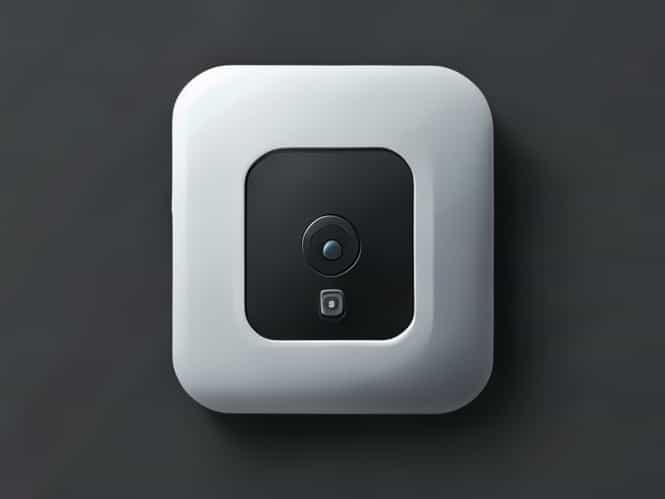
In-home intercom systems have become an increasingly popular feature in modern households, providing convenience, security, and improved communication among family members. These systems allow people to communicate instantly from one room to another without the need for phones or shouting across spaces. With advancements in technology, in-home intercoms now offer a wide range of functionalities, including video communication, integration with smart home devices, and remote access via smartphones. Understanding the benefits, types, installation process, and practical applications of these systems can help homeowners make informed decisions when upgrading their homes.
What is an In-Home Intercom System?
An in-home intercom system is a communication network that allows occupants of a house to talk to each other through wired or wireless devices installed in different rooms. Traditional systems focused solely on voice communication, but modern intercoms can include video, text, and even integration with other smart home features. They serve as an internal communication network, enhancing convenience and safety, particularly in larger homes or multi-level residences.
Key Features of In-Home Intercom Systems
- Two-way voice communication between rooms
- Video communication with cameras for added security
- Wireless or wired installation options
- Integration with smart home systems and door entry devices
- Remote control and monitoring through mobile apps
- Broadcast or group communication features for the entire home
Types of In-Home Intercom Systems
In-home intercom systems can be categorized based on technology, functionality, and installation method. Choosing the right type depends on the size of the home, budget, and desired features.
Wired Intercom Systems
Wired intercom systems are connected through cables running within the walls of a home. These systems are highly reliable and less susceptible to interference compared to wireless systems. Wired intercoms often offer superior audio and video quality and are commonly used in newly constructed homes or during major renovations. However, installation can be labor-intensive and may require professional assistance.
Wireless Intercom Systems
Wireless intercoms operate using radio frequency or Wi-Fi technology, allowing easy installation without the need for extensive wiring. These systems are flexible and can be moved to different locations as needed. Wireless intercoms are ideal for retrofitting older homes and offer the convenience of integration with mobile devices, enabling communication even when homeowners are away from the house.
Video Intercom Systems
Video intercom systems combine audio communication with video surveillance, providing an extra layer of security. These systems often include cameras at entrances and inside the home, allowing residents to see who is calling before answering. Video intercoms can also be connected to smartphones or tablets, enabling remote monitoring and communication.
Benefits of Installing an In-Home Intercom System
Installing an in-home intercom system offers several advantages that enhance both convenience and safety within the household.
Improved Communication
Intercom systems eliminate the need for shouting or walking from room to room, making communication faster and more efficient. This is particularly beneficial in large homes, multi-story houses, or residences with elderly family members who may have mobility limitations.
Enhanced Security
Video intercoms and systems integrated with door locks can help monitor visitors and prevent unauthorized entry. Residents can verify the identity of guests before granting access, reducing security risks.
Convenience and Automation
Modern intercom systems can be integrated with smart home devices, enabling features such as automated door unlocking, lighting control, and notifications. This integration enhances convenience and streamlines household management.
Remote Communication
With smartphone-enabled intercom systems, homeowners can communicate with family members from anywhere in the world. This is particularly useful for monitoring children, pets, or elderly relatives when away from home.
Installation and Setup
Installing an in-home intercom system involves several steps, and the complexity depends on whether the system is wired or wireless.
Wired System Installation
- Plan the layout and determine the locations for intercom stations
- Run cables through walls or ceilings to connect all units
- Install intercom units and connect to the power supply
- Test communication between stations to ensure proper functionality
Wireless System Setup
- Position wireless units in desired locations
- Connect devices to Wi-Fi or radio network
- Pair units for communication and adjust volume or settings
- Test range and reliability throughout the home
Integration with Smart Home Devices
Many modern intercom systems allow integration with smart home technology, including smart locks, lighting, and security cameras. This integration often requires installing a companion app and connecting the system to the home’s Wi-Fi network. Users can then monitor entrances, communicate remotely, and automate responses based on intercom activity.
Maintenance Tips
Regular maintenance ensures that an in-home intercom system functions reliably over time. Tips include
- Regularly cleaning intercom units and camera lenses
- Checking and replacing batteries in wireless units
- Updating software or firmware for smart intercom systems
- Testing audio and video quality periodically to detect issues
- Ensuring Wi-Fi connectivity is stable for wireless and smart intercoms
Choosing the Right System
Selecting the right in-home intercom system involves considering factors such as home size, communication needs, budget, and desired features. Wired systems offer reliability and high-quality communication, while wireless and smart-enabled systems provide flexibility and advanced functionality. Homeowners should also consider potential future expansions, ease of use, and compatibility with other devices.
Key Considerations
- Coverage area and number of intercom stations required
- Audio and video quality needs
- Integration with smart home devices
- Ease of installation and potential for DIY setup
- Ongoing maintenance and battery replacement for wireless units
In-home intercom systems are more than just a convenience; they are a valuable addition to modern households, providing improved communication, enhanced security, and integration with smart home technology. Whether opting for a wired, wireless, or video-enabled system, homeowners can significantly benefit from the efficiency and safety these devices offer. Careful planning, proper installation, and regular maintenance ensure that an in-home intercom system remains a reliable and effective tool for years to come. By investing in a quality system, families can enjoy seamless communication and peace of mind within their homes.