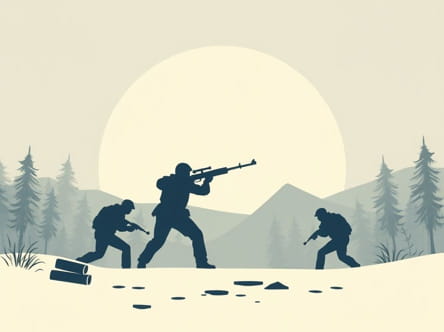
Richard Connell’s The Most Dangerous Game is one of the most frequently studied short stories in American literature, known for its thrilling suspense, ethical dilemmas, and intense psychological drama. Set on a mysterious island, it explores the relationship between hunter and hunted, blurring the lines between civilization and savagery. With its gripping plot and philosophical undertones, the story has fascinated readers and critics for decades. This topic explores the literary elements, characters, and central themes that make The Most Dangerous Game” an enduring masterpiece.
Plot Overview of “The Most Dangerous Game”
The story begins with Sanger Rainsford, a celebrated big-game hunter, traveling by yacht. While en route to the Amazon, he accidentally falls overboard and swims to a nearby island known as Ship-Trap Island. He eventually finds a grand mansion inhabited by General Zaroff, a Russian aristocrat and fellow hunter. However, Rainsford soon discovers that Zaroff has grown bored with hunting animals and now hunts the only prey he deems worthy human beings. Rainsford becomes the next unwilling participant in this deadly game.
Structure and Pacing
Connell’s storytelling is masterfully paced. The exposition quickly builds intrigue with the ominous reputation of Ship-Trap Island. Rising action begins as Rainsford meets Zaroff and slowly uncovers his twisted philosophy. The climax occurs during the actual hunt, which spans several days and tests Rainsford’s wit, endurance, and morality. The resolution is stark and decisive, ending with Rainsford defeating Zaroff and reclaiming his humanity through survival.
Main Characters and Their Significance
Sanger Rainsford
Rainsford is portrayed as an experienced hunter who initially lacks empathy for his prey. In the beginning, he dismisses the feelings of the animals he hunts, claiming that the world is made up of two classes the hunters and the huntees. However, as he is forced into the role of the hunted, he undergoes a transformation. His experience serves as a critique of arrogance and moral detachment in the face of suffering.
General Zaroff
General Zaroff is the antagonist, embodying refined cruelty and distorted ethics. Though he is cultured and articulate, his belief that human life is expendable for the sake of sport makes him a deeply unsettling figure. Zaroff sees hunting men as an art form and justifies his actions with social Darwinism, believing that the strong are entitled to dominate the weak.
Ivan
Ivan, Zaroff’s mute and imposing assistant, plays a minor but symbolic role. As a former Cossack and torturer, Ivan represents brute force and blind obedience. His presence reinforces the oppressive atmosphere of the island and the threat that Zaroff poses.
Themes in “The Most Dangerous Game”
The Hunter Versus the Hunted
One of the most important themes in The Most Dangerous Game is the reversal of roles between hunter and hunted. Rainsford begins as a confident predator but soon learns what it feels like to be pursued and helpless. This role reversal challenges the moral boundaries of hunting and forces both Rainsford and the reader to consider the value of all sentient life.
Civilization and Savagery
General Zaroff’s genteel manners, lavish home, and eloquence starkly contrast with his barbaric behavior. Connell presents a chilling commentary on how civility can mask true cruelty. The island becomes a space where the facade of civilization crumbles, and primal instincts govern life and death.
The Ethics of Hunting
The story encourages readers to contemplate whether hunting for sport is ever justifiable. Zaroff’s decision to hunt humans is clearly immoral, but it also calls into question the morality of hunting animals for pleasure. Rainsford’s experience leads to a more nuanced view of life and suffering, implying that empathy should extend beyond species.
Survival and Human Instinct
The Most Dangerous Game showcases the raw instinct for survival. Rainsford must rely on his intelligence, physical prowess, and mental resilience to outwit Zaroff. The tension in the story derives not only from the danger but from watching Rainsford adapt and evolve under extreme circumstances. The will to survive becomes a powerful force that defines his actions.
Symbolism in the Story
Ship-Trap Island
The island itself is a symbol of isolation, danger, and moral disintegration. It is cut off from the rest of the world, allowing Zaroff to create his own twisted rules. The island becomes a testing ground for human morality and instinct, stripped from societal expectations.
Rainsford’s Traps
Each trap that Rainsford sets is symbolic of his growth as a character and his gradual embrace of his animalistic side. From the Malay mancatcher to the Burmese tiger pit, these devices represent both creativity and desperation. They also illustrate Rainsford’s ability to survive by using intellect rather than brute strength.
Zaroff’s Chateau
The luxurious mansion on the island is a symbol of false security and deceptive appearances. It reflects Zaroff’s sophistication, which hides his monstrous behavior. The contrast between the refined setting and the horror it conceals emphasizes the story’s theme of civilized savagery.
Impact and Legacy of “The Most Dangerous Game”
Influence on Literature and Popular Culture
Since its publication in 1924, The Most Dangerous Game has inspired numerous adaptations and works that explore similar ideas. From films and television shows to modern survival thrillers, the concept of human hunting has become a genre in itself. Stories such as Battle Royale, The Hunger Games, and even episodes of Black Mirror draw from the core premise of Connell’s narrative.
Educational Value
The story is a staple in literature curricula worldwide because of its rich thematic content and accessible narrative. It prompts discussions on ethics, survival, human nature, and justice. Its concise yet impactful prose makes it ideal for both young and mature readers seeking literary depth.
Continued Relevance
In a world where ethical questions about violence, power, and control remain prevalent, The Most Dangerous Game continues to resonate. It serves as a cautionary tale about the consequences of unchecked power and the thin line between civility and brutality.
The Most Dangerous Game remains a powerful piece of literature that challenges readers to question their assumptions about morality, civilization, and what it means to be truly human. Through its intense plot, compelling characters, and layered symbolism, it transcends time and genre. By placing Rainsford in the shoes of the hunted, Richard Connell not only delivers a suspenseful tale but also forces a reflection on empathy, ethics, and the primal instincts within us all.