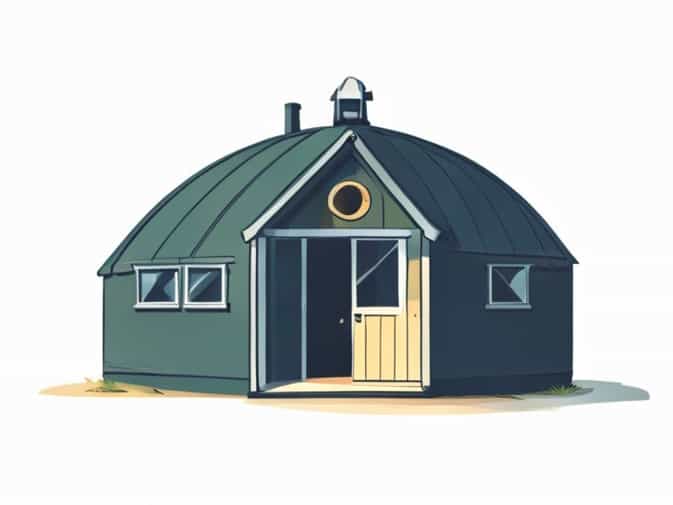
Quonset hut homes have become increasingly popular as an innovative and practical approach to modern living. Originally designed as lightweight, prefabricated structures for military use during World War II, Quonset huts are semi-cylindrical buildings made from corrugated steel. Today, architects and homeowners have adapted these versatile structures into comfortable, stylish, and durable homes. Inside Quonset hut homes, the combination of open spaces, unique architecture, and modern amenities creates a living environment that is both functional and aesthetically pleasing. This topic explores the design, interior features, benefits, and considerations of living inside Quonset hut homes.
History and Evolution of Quonset Hut Homes
Quonset huts were initially developed in 1941 by the U.S. Navy to provide a quick and efficient solution for temporary housing and storage during the war. The original design prioritized simplicity, portability, and durability, which allowed them to be shipped and assembled almost anywhere. After the war, many surplus Quonset huts were repurposed for commercial, agricultural, and residential uses. Over time, designers and builders began transforming these structures into modern homes, taking advantage of their structural integrity and open interior space.
Modern Adaptations
- Residential Conversions Many Quonset huts have been converted into single-family homes with insulation, modern plumbing, and electricity.
- Commercial Use Restaurants, cafes, and offices have adopted the Quonset hut style for its distinctive appearance and open floor plans.
- Hybrid Designs Some architects combine Quonset huts with traditional construction materials to create hybrid homes that maintain the industrial charm while offering contemporary comforts.
Interior Design of Quonset Hut Homes
One of the most striking features of Quonset hut homes is their unique interior shape. The semi-cylindrical structure creates open, airy spaces that can be customized to suit various lifestyles. Inside these homes, ceilings curve gracefully from wall to wall, creating a sense of spaciousness that is uncommon in traditional rectangular homes.
Open Floor Plans
Quonset hut homes often feature open floor plans that maximize usable space. Living areas, dining rooms, and kitchens can flow seamlessly without obstructive walls. This design is ideal for social gatherings, flexible furniture arrangements, and creating a light-filled environment. Additionally, the open plan makes it easier to incorporate modern design elements, such as lofts, mezzanines, or studio spaces.
Insulation and Climate Control
Since the original Quonset huts were designed for military storage, modern residential adaptations include enhanced insulation to maintain comfortable indoor temperatures. Interior walls can be fitted with drywall or other finishing materials, and high-quality insulation helps regulate heat during summer and retain warmth during winter. Many Quonset hut homes also incorporate energy-efficient heating, ventilation, and air conditioning systems.
Lighting and Ambiance
The curved ceilings of Quonset huts offer unique opportunities for lighting. Skylights, large windows, and recessed lighting can highlight the architectural lines and create a bright, welcoming environment. Interior designers often use the natural flow of the arch to place ambient lighting, adding warmth and character to the space.
Benefits of Living in a Quonset Hut Home
Quonset hut homes offer several advantages over traditional housing. Their design and construction methods provide both practical and aesthetic benefits.
Durability and Longevity
Constructed from galvanized steel, Quonset huts are extremely durable and resistant to harsh weather conditions, including heavy snow, strong winds, and earthquakes. Properly maintained, these homes can last for decades, making them a cost-effective long-term investment.
Affordability
Compared to traditional stick-built homes, Quonset huts are often more affordable due to their simple construction, prefabricated materials, and reduced labor costs. This affordability allows homeowners to allocate more resources toward interior customization and energy-efficient systems.
Energy Efficiency
The metal structure of a Quonset hut can be combined with high-quality insulation and energy-efficient windows, reducing heating and cooling costs. Additionally, the open floor plan and natural light contribute to a reduced reliance on artificial lighting during the day.
Flexibility and Customization
The open interior of Quonset huts allows homeowners to create flexible layouts. Spaces can be easily modified to include lofts, home offices, or entertainment areas. Modern finishes, furniture, and decor options allow each home to reflect the owner’s personal style while taking advantage of the unique architectural features.
Challenges and Considerations
While Quonset hut homes have many advantages, there are certain considerations to keep in mind before choosing this type of home.
Space Utilization
The curved walls may limit certain furniture arrangements or storage solutions, requiring creative design approaches. Custom-built shelving or furniture can help maximize usable space without compromising the open feel of the home.
Noise and Acoustics
Metal walls can sometimes amplify sound, so adding insulation, carpets, or acoustic panels may be necessary to reduce noise. Thoughtful interior design can address these challenges and maintain comfort.
Zoning and Building Codes
Depending on location, some areas may have specific building codes or zoning regulations that affect the construction or conversion of Quonset huts into residential homes. Prospective homeowners should research local regulations before committing to a project.
Examples of Interior Design Styles
Inside Quonset hut homes, a variety of design styles can be applied to enhance the unique architecture
Industrial Style
- Exposed metal beams and steel finishes emphasize the original industrial character of the Quonset hut.
- Neutral color palettes and minimalist furniture complement the structure.
Modern Minimalist
- Clean lines, open spaces, and simple furnishings create a sleek, contemporary feel.
- Large windows and skylights enhance natural light.
Rustic or Farmhouse
- Wooden accents, warm tones, and vintage decor create a cozy and inviting interior.
- Combining metal with natural materials balances the industrial look with comfort.
Inside Quonset hut homes, the combination of historical architecture and modern design creates a unique living experience. From open floor plans and curved ceilings to durability and energy efficiency, these homes offer a practical and aesthetically pleasing alternative to traditional housing. While there are challenges to consider, including space utilization and local building codes, the versatility and customization options make Quonset hut homes a compelling choice for those seeking innovative, affordable, and durable living spaces. With thoughtful design and planning, living inside a Quonset hut home can provide both comfort and style for years to come.