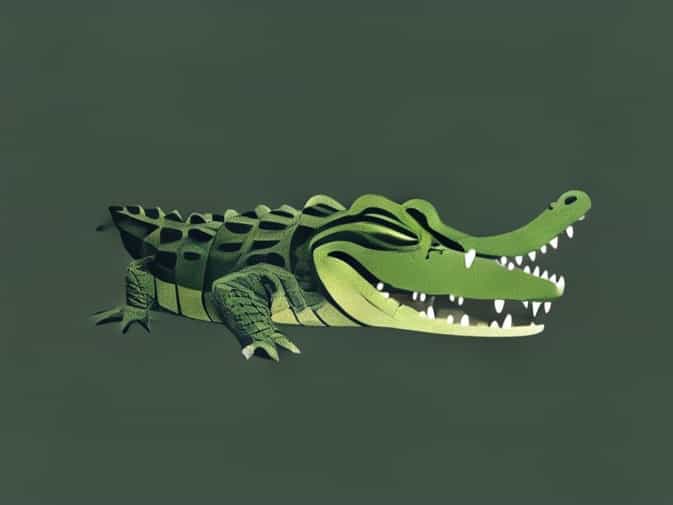
The question Is a caiman an alligator? often arises among wildlife enthusiasts, students, and those curious about reptiles. While caimans and alligators share many similarities and belong to the same family, Alligatoridae, they are distinct species with unique characteristics, habitats, and behaviors. Understanding the differences and similarities between these reptiles is important for anyone studying biology, ecology, or simply interested in learning about these fascinating creatures. From physical appearance and diet to habitat preferences and conservation status, caimans and alligators offer intriguing comparisons that highlight the diversity within the crocodilian family.
Taxonomy and Classification
Caimans and alligators both belong to the order Crocodylia, which includes alligators, crocodiles, and gharials. They are classified within the family Alligatoridae, distinguishing them from true crocodiles, which belong to the family Crocodylidae. The family Alligatoridae is further divided into two subfamilies Alligatorinae, which includes alligators, and Caimaninae, which includes caimans. This classification indicates that while caimans and alligators are closely related, they are separate branches of the same family tree.
Alligator Species
There are two primary species of alligators the American alligator (Alligator mississippiensis), native to the southeastern United States, and the Chinese alligator (Alligator sinensis), found in eastern China. The American alligator is the more well-known species and is commonly found in freshwater habitats such as swamps, rivers, and lakes. Alligators are typically large, with males reaching lengths of up to 13 15 feet and weighing up to 1,000 pounds.
Caiman Species
Caimans are primarily found in Central and South America, inhabiting countries like Brazil, Venezuela, and Paraguay. There are several species of caimans, including the spectacled caiman (Caiman crocodilus), the yacare caiman (Caiman yacare), the broad-snouted caiman (Caiman latirostris), and the black caiman (Melanosuchus niger). Most caimans are smaller than alligators, though the black caiman can grow nearly as large as its American alligator counterpart.
Physical Differences Between Caimans and Alligators
Although caimans and alligators look similar at first glance, several physical differences can help distinguish them. These differences include size, snout shape, coloration, and scale patterns.
Size and Build
Generally, caimans are smaller and more slender compared to alligators. While American alligators can reach up to 15 feet, most caiman species rarely exceed 10 feet. Black caimans are an exception, occasionally reaching lengths comparable to large alligators. Caimans also tend to have a more agile build, which aids in maneuvering through dense wetlands and river systems.
Snout Shape
The shape of the snout is another distinguishing feature. Alligators have a broader, U-shaped snout, which is useful for crushing prey such as turtles and large fish. In contrast, caimans generally have narrower, more pointed snouts. The spectacled caiman, for instance, has a characteristic ridge or spectacle between its eyes, which is a distinctive feature not found in alligators.
Coloration and Skin
Caimans often have darker, olive-brown or blackish skin, which provides camouflage in murky waters and dense vegetation. Alligators, especially American alligators, have a dark gray to black coloration with lighter undersides. Both reptiles have tough, armored scales known as osteoderms, but the pattern and texture can vary between species, helping with identification.
Habitat and Distribution
Habitat preferences are another important difference between caimans and alligators. Alligators are mostly found in freshwater environments, while caimans can tolerate both freshwater and slightly brackish water. The geographical distribution also differs significantly, influencing their diet, behavior, and conservation challenges.
Alligator Habitats
American alligators inhabit freshwater swamps, marshes, rivers, and lakes in the southeastern United States, including Florida, Louisiana, Georgia, and Texas. Chinese alligators are critically endangered and primarily live in small rivers and wetlands in eastern China. Alligators prefer habitats with dense vegetation, which provides shelter and nesting sites.
Caiman Habitats
Caimans are native to Central and South America, where they occupy rivers, wetlands, and floodplains. They are highly adaptable and can survive in a variety of freshwater ecosystems, including areas that experience seasonal flooding. Black caimans are found in the Amazon Basin and are more aquatic, often remaining submerged for extended periods.
Diet and Feeding Behavior
Both alligators and caimans are carnivorous, but their diets vary according to size, habitat, and prey availability. Their feeding behavior is influenced by their physical adaptations, including jaw strength and snout shape.
Alligator Diet
Alligators are opportunistic predators. They feed on fish, amphibians, reptiles, birds, and mammals. Large adult alligators are capable of hunting sizable prey such as deer or wild boars. Juveniles primarily consume insects, small fish, and amphibians. The broad U-shaped snout allows alligators to crush harder prey, including turtles and shellfish.
Caiman Diet
Caimans primarily eat fish, crustaceans, amphibians, and small mammals. Larger species, like the black caiman, may hunt larger prey including capybaras or other vertebrates. The narrower snout of most caiman species makes them specialized fish hunters, enabling them to catch agile prey in murky waters with precision.
Behavior and Social Structure
Both reptiles exhibit similar social behavior, but there are some distinctions in their activity patterns and interactions with humans.
Alligator Behavior
Alligators are generally more territorial and may display aggressive behavior if threatened. They are largely nocturnal hunters, spending most of the day resting or basking. During the breeding season, males become more vocal and territorial to attract females and protect nesting areas.
Caiman Behavior
Caimans are often less aggressive toward humans, although large species can be dangerous if provoked. They are highly social in certain environments, with juveniles often forming groups for protection. Caimans are also mostly nocturnal, feeding at night and remaining hidden during daylight hours.
Conservation Status
Conservation efforts for alligators and caimans vary due to differences in population size and habitat threats.
Alligator Conservation
American alligators were once endangered due to hunting and habitat loss, but effective conservation measures, including hunting bans and habitat protection, have led to a population recovery. They are now considered a species of least concern, though Chinese alligators remain critically endangered with very few individuals in the wild.
Caiman Conservation
Caiman species face different threats depending on habitat and human impact. Black caimans were once heavily hunted for their skin but have benefited from protection programs. Spectacled and yacare caimans have relatively stable populations, though habitat destruction and water pollution remain concerns.
While caimans and alligators share a close evolutionary relationship and belong to the same family, they are not the same species. Differences in size, snout shape, coloration, habitat, diet, and behavior distinguish these fascinating reptiles. Understanding these differences helps in proper identification and appreciation of their ecological roles. Both alligators and caimans are important apex predators in their respective environments, contributing to the balance of ecosystems. Awareness of their conservation status and habitats also underscores the importance of protecting these remarkable reptiles for future generations.