When browsing sleepwear or loungewear sections, the terms ‘housecoat’ and ‘robe’ often appear side by side, leading many people to wonder whether they are the same thing. While both garments serve similar purposes mainly comfort and modesty around the house there are subtle differences in style, design, and cultural perception. Over the decades, the line between the two has blurred, yet each still carries its unique features. To determine if a housecoat is truly a robe or if it stands on its own, we must explore the history, function, and modern interpretations of both garments.
Understanding the Housecoat
Definition and Origins
A housecoat is a loose-fitting, lightweight outer garment traditionally worn by women at home. Its roots trace back to the early 20th century when women would wear them over nightgowns or casual clothes to maintain modesty or stay warm while completing household tasks. Unlike robes, housecoats were often designed with zippers or buttons down the front, making them easy to put on and take off.
Features of a Housecoat
- Typically made from cotton, polyester, or terry cloth
- Front closures like zippers, buttons, or snaps
- Knee-length or calf-length in most designs
- Often includes pockets for functionality
- Comes in both plain and floral prints, commonly in pastel shades
Purpose and Use
The housecoat is meant for daytime use around the home. Women often wore them while cooking, cleaning, or entertaining close guests. Unlike robes, housecoats weren’t necessarily associated with the bathroom or sleepwear. Instead, they functioned more like a casual dressing layer, similar to a cardigan for indoor wear.
Exploring the Robe
What Defines a Robe?
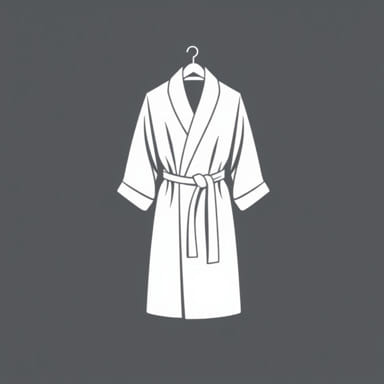
A robe, sometimes referred to as a bathrobe or dressing gown, is typically a more luxurious and relaxed garment. It’s worn over pajamas or directly after a bath and is known for its wrap-style closure and belt tie. While housecoats are more structured, robes are often softer and more voluminous.
Common Robe Features
- Wraparound design with a sash or belt
- Absorbent materials like terry cloth or plush fleece
- Open front no zippers or buttons
- Long sleeves and full coverage for warmth
- Suitable for post-bath or bedtime routines
Types of Robes
There are several types of robes designed for different purposes:
- Bathrobe: Used after bathing or showering
- Dressing gown: A lighter version for lounging or dressing
- Kimono robe: Inspired by traditional Japanese attire, often stylish and flowy
Comparing Housecoats and Robes
Key Similarities
At a glance, housecoats and robes seem quite similar. Both are designed for comfort, used at home, and generally worn over other garments. Some housecoats have soft, plush materials, making them almost indistinguishable from robes.
Primary Differences
Despite their similarities, the two garments serve slightly different roles:
- Design: Housecoats often have front closures (zippers/buttons), whereas robes rely on a wrap-and-tie method.
- Material: Robes usually use absorbent or cozy materials, while housecoats lean toward lighter, more breathable fabrics.
- Function: Robes are commonly associated with bathing and sleeping, while housecoats are day garments for general home wear.
- Fit: Housecoats may be slightly more tailored, whereas robes prioritize a loose, flowy fit.
Is a Housecoat Considered a Robe?
The Overlap
In modern fashion and casual language, housecoats and robes are sometimes used interchangeably. Retailers may even label a zip-up housecoat as a robe in product descriptions. This blending of terminology is especially common in North America and Europe, where both items are marketed for home comfort.
Technically Speaking
From a traditional perspective, a housecoat is not exactly a robe. The functional and stylistic differences are enough to place them in slightly separate categories. However, in a practical sense, both serve similar purposes: covering the body comfortably at home. Many people may choose one over the other depending on lifestyle, weather, or personal taste.
Modern Interpretations
Evolving Homewear Trends
As loungewear has become more fashionable and acceptable beyond the confines of the home, both housecoats and robes have seen stylish reinterpretations. Designers now offer chic housecoat-style dusters and kimono-inspired robes meant to be worn as outerwear or statement pieces.
Unisex Options
While housecoats were traditionally worn by women, modern versions exist for all genders. Similarly, robes are widely popular among both men and women, often differing only in design aesthetics or sizing. Unisex robe-housecoat hybrids are also available, offering the best of both worlds.
Luxury Versions
Premium materials like silk, cashmere, and bamboo fibers are increasingly used in both robes and housecoats. This elevates their appeal, making them suitable gifts or part of self-care routines. Whether it’s a plush spa robe or a satin housecoat, comfort meets elegance in today’s homewear collections.
When to Choose a Housecoat Over a Robe
Choosing between a housecoat and a robe depends on your daily habits and comfort needs. Here are scenarios where a housecoat may be the better option:
- You prefer structured garments that are easy to zip or button
- You wear it during daytime hours while doing household tasks
- You want a lightweight layer over casual clothing
- You appreciate having pockets for practical use
When a Robe Might Be Ideal
- You need something absorbent for post-shower comfort
- You like wrapping yourself in something plush and warm
- You enjoy a spa-like, luxurious feel in your evening routine
- You prioritize a loose, flexible fit
So, is a housecoat a robe? The answer lies in both tradition and personal perspective. While they are not exactly the same, the overlap in usage, comfort, and style has made them nearly interchangeable in many wardrobes. A housecoat tends to be more functional, often used throughout the day, while a robe leans toward post-bath and bedtime relaxation. Ultimately, both garments serve the common goal of making you feel comfortable at home. Whether you reach for a buttoned housecoat or a belted robe, the right choice is the one that fits your lifestyle best.