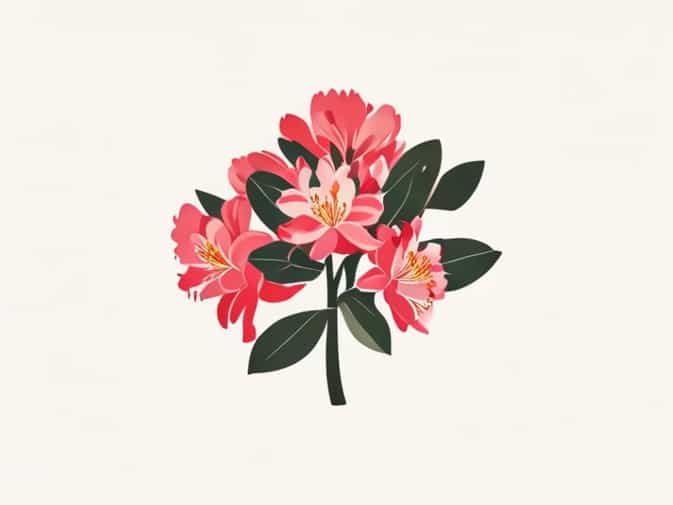
When people see a rhododendron in full bloom, it’s easy to be captivated by its large, colorful flowers and lush green leaves. But one common question often arises among gardeners and plant enthusiasts is a rhododendron a tree? The answer depends on the specific species and how it grows. Rhododendrons belong to a diverse plant genus that includes both shrubs and small trees, with variations that thrive in different climates and conditions. Understanding what makes a rhododendron a shrub or a tree helps gardeners appreciate its beauty and adaptability even more.
Understanding the Rhododendron Genus
The rhododendron is part of the genus Rhododendron, which includes over a thousand species of woody plants. This group also encompasses azaleas, which are technically a type of rhododendron. Members of this genus can range from low-growing groundcover shrubs to tall, tree-like species. The word rhododendron itself comes from Greek, meaning rose tree, but despite the name, not all rhododendrons are true trees.
Most rhododendrons are evergreen shrubs, meaning they retain their leaves year-round. However, some varieties, especially those found in mountainous regions or specific climates, can grow large enough to resemble trees. The distinction between a shrub and a tree often comes down to size, structure, and the number of stems growing from the base.
Defining the Difference Between Shrubs and Trees
To determine whether a rhododendron qualifies as a tree, it’s essential to understand the botanical differences between shrubs and trees. Trees are typically characterized by a single woody trunk that supports branches and foliage at a considerable height. Shrubs, on the other hand, have multiple stems that grow close to the ground and are generally smaller in stature.
Most rhododendrons fall into the shrub category because they grow with multiple stems and usually do not exceed a few meters in height. Yet, in ideal growing conditions particularly in regions like the Himalayas or Southeast Asia some species can grow much taller and develop a single trunk, blurring the line between shrub and tree.
Tree-Like Rhododendron Species
There are several species of rhododendrons that can grow tall enough to be considered trees. These species often thrive in the wild, in temperate or subtropical regions, where conditions allow them to reach impressive heights. Below are some examples of rhododendron species that exhibit tree-like growth
- Rhododendron arboreumKnown as the tree rhododendron, this species is native to the Himalayan region. It can grow up to 30 feet (about 9 meters) tall, making it one of the largest species in the genus. Its thick trunk and canopy of bright red flowers make it appear very much like a small tree.
- Rhododendron falconeriThis species can also reach tree-like proportions, growing up to 40 feet (12 meters) tall. It is native to high-altitude forests in India, Nepal, and Bhutan.
- Rhododendron grandeFound in the eastern Himalayas, this species features large leathery leaves and can grow to a significant height, resembling a small forest tree.
These tree-like rhododendrons are typically found in their natural habitats rather than home gardens, as they require specific environmental conditions cool temperatures, high humidity, and well-drained, acidic soils to thrive.
Common Garden Rhododendrons
In contrast to their towering relatives, the rhododendrons found in most gardens are smaller shrubs. Popular species such as Rhododendron catawbiense and Rhododendron yakushimanum typically grow between 3 to 6 feet (1 to 2 meters) tall. These species are prized for their stunning flowers, which can range in color from white and pink to deep purple and red.
Garden rhododendrons are easy to maintain when planted in acidic soil with good drainage and partial shade. Their dense foliage and attractive blooms make them a favorite choice for ornamental landscaping, borders, and woodland gardens. While these shrubs may never grow tall enough to resemble trees, their aesthetic appeal and versatility are unmatched in the plant world.
Environmental Factors That Influence Growth
Whether a rhododendron grows as a shrub or a tree depends largely on environmental conditions. Factors such as altitude, soil composition, moisture levels, and temperature all play significant roles in determining the plant’s growth pattern.
- AltitudeRhododendrons growing in mountainous regions often reach greater heights, as cooler temperatures and rich organic soil provide optimal growth conditions.
- ClimateIn regions with mild, wet climates, rhododendrons can grow taller due to consistent moisture and limited temperature extremes.
- Soil QualityAcidic, well-drained soil is ideal for rhododendron growth. Poor soil or overly alkaline conditions can stunt their development.
- Light ExposurePartial shade promotes healthy foliage and flower production, while too much sunlight can damage the leaves.
When cultivated in home gardens, rhododendrons tend to remain compact, as gardeners often prune them to maintain shape and encourage blooming. In the wild, however, without human interference, they can grow freely and assume more tree-like forms.
Symbolism and Cultural Importance
Rhododendrons are not only admired for their beauty but also hold cultural and symbolic value in many parts of the world. In Nepal, for instance, the rhododendron arboreum is the national flower and represents resilience and natural beauty. In parts of China and India, large rhododendron trees are considered sacred and are often associated with local folklore.
Because of their ability to thrive in challenging terrains, rhododendrons symbolize strength, endurance, and renewal. These qualities make them a meaningful addition to gardens and landscapes, where they represent harmony between beauty and endurance in nature.
Growing Rhododendrons at Home
For those interested in cultivating rhododendrons, understanding their natural preferences is essential. While most home varieties are shrubs, some enthusiasts attempt to grow tree-like species in controlled environments. Success depends on replicating their natural conditions as closely as possible.
- Plant rhododendrons in slightly acidic soil with a pH between 4.5 and 6.0.
- Provide partial shade to protect them from harsh sunlight.
- Ensure the soil is well-drained but consistently moist.
- Use mulch to retain moisture and maintain cool root temperatures.
- Prune lightly after flowering to encourage growth and shape.
Even though most domestic rhododendrons will not grow tall enough to be called trees, they can still serve as beautiful centerpieces in any garden. Their evergreen leaves and colorful blossoms create year-round interest and attract pollinators like bees and butterflies.
Scientific and Ecological Significance
Rhododendrons play an important role in their ecosystems. They provide shelter and food for insects, birds, and small mammals. Their dense growth helps prevent soil erosion on mountain slopes, and their blossoms support biodiversity by offering nectar to pollinators. In addition, scientists study rhododendrons for their adaptability to different climates, making them valuable in ecological research and conservation efforts.
So, is a rhododendron a tree? The answer lies somewhere in between. While most rhododendrons are classified as shrubs, certain species can grow tall enough to be considered small trees, particularly those found in natural habitats such as the Himalayas. Their form depends on genetics and environmental conditions, but whether shrub or tree, rhododendrons remain a symbol of natural beauty and resilience. From garden landscapes to wild mountain forests, these versatile plants continue to captivate people worldwide with their vibrant flowers and lush foliage. Regardless of their classification, rhododendrons hold a timeless place in both horticulture and the natural world.