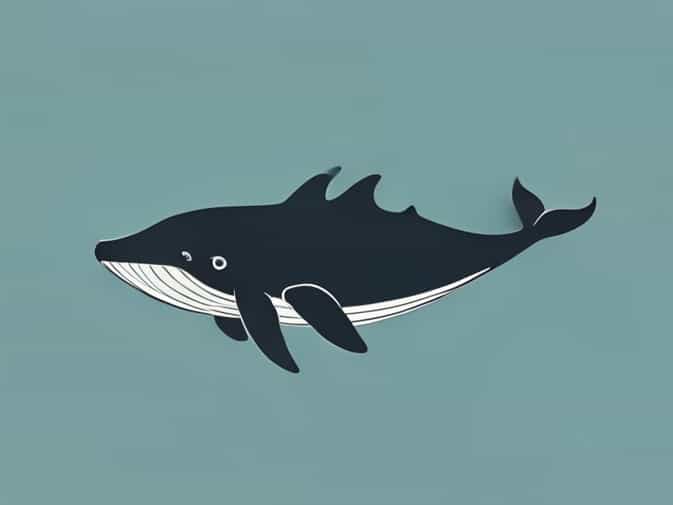
When people hear the name sperm whale, they sometimes wonder whether this massive sea creature is truly a whale. The name itself can be confusing, but the answer is simple yes, a sperm whale is indeed a whale. It belongs to the group of marine mammals known as cetaceans, which includes whales, dolphins, and porpoises. Sperm whales are among the most fascinating and powerful creatures in the ocean, known for their incredible size, intelligence, and deep-diving abilities. Understanding what makes a sperm whale unique helps us appreciate its important role in marine ecosystems.
What Is a Sperm Whale?
The sperm whale, scientifically namedPhyseter macrocephalus, is the largest of the toothed whales and one of the deepest-diving mammals on Earth. Adult males can reach lengths of up to 60 feet (18 meters) and weigh as much as 50 tons. Females are smaller, usually around 36 feet (11 meters) long. These whales have a distinctive appearance, characterized by their enormous square-shaped heads and relatively small lower jaws.
The sperm whale gets its name from the milky white substance called spermaceti found in its head. Early whalers mistakenly thought this substance was whale semen, hence the name sperm whale. In reality, spermaceti is a waxy oil that helps regulate buoyancy and may aid in echolocation during deep dives.
Why a Sperm Whale Is Classified as a Whale
Sperm whales belong to the order Cetacea, which includes all whales, dolphins, and porpoises. Within this order, there are two main subgroups baleen whales (Mysticeti) and toothed whales (Odontoceti). Sperm whales are toothed whales, meaning they have teeth instead of baleen plates. They use these teeth to hunt squid, fish, and other deep-sea creatures.
Scientific Classification of Sperm Whales
- KingdomAnimalia
- PhylumChordata
- ClassMammalia
- OrderCetacea
- SuborderOdontoceti (toothed whales)
- FamilyPhyseteridae
- GenusPhyseter
- SpeciesPhyseter macrocephalus
These scientific classifications confirm that the sperm whale is indeed a whale, sharing key characteristics with other cetaceans such as breathing through blowholes, giving birth to live young, and being warm-blooded.
Physical Characteristics of the Sperm Whale
Sperm whales are easily recognizable due to their massive size and distinctive features. Their huge heads can make up to one-third of their total body length. The blowhole is located on the left side of the head, producing a unique angled spout when the whale surfaces to breathe.
Main Features
- Large, block-shaped head containing the spermaceti organ.
- Dark gray or bluish-gray skin that can appear wrinkled.
- Small dorsal fin located far back on the body.
- Twenty to twenty-six large teeth on each side of the lower jaw.
- Powerful tail flukes that help propel the whale through the water.
Unlike baleen whales that filter-feed on krill and plankton, sperm whales actively hunt prey. Their muscular bodies and deep-diving adaptations make them excellent hunters in the dark ocean depths.
Diving Abilities and Hunting Behavior
One of the most remarkable features of sperm whales is their ability to dive to extreme depths. They can reach depths of over 3,000 feet (900 meters) and stay underwater for up to 90 minutes. These deep dives allow them to hunt giant squid and other creatures that live in the deep sea.
How They Hunt
Sperm whales use echolocation to locate prey in the dark. They emit a series of clicking sounds that bounce off objects, allowing the whale to determine the location, size, and shape of potential food. Once they detect a target, they use their powerful jaws and conical teeth to grasp it. Giant squid are a common prey, and scars from their tentacles are often found on sperm whales’ skin.
Their hunting technique showcases not only their strength but also their intelligence. Sperm whales often hunt alone, but females and calves travel in groups called pods for protection and social bonding.
Social Structure and Behavior
Sperm whales have complex social structures. Adult males typically live solitary lives, while females and their offspring form stable groups. These pods can consist of 10 to 20 individuals and are led by experienced females. Within the pod, whales communicate using a series of clicks and patterns known as codas, which are unique to each group.
Communication and Intelligence
Sperm whales are among the most intelligent marine animals. Their large brains the biggest of any animal on Earth are capable of processing complex sounds and social interactions. Scientists believe they use specific click patterns to identify one another and coordinate group behaviors. These communication methods are essential for navigation, hunting, and social bonding.
The Role of Sperm Whales in the Ecosystem
Sperm whales play a vital role in maintaining the health of marine ecosystems. Their feeding habits help regulate populations of deep-sea species, including squid. Furthermore, their nutrient-rich feces contribute to the ocean’s carbon cycle. When sperm whales defecate near the surface, they release iron and other nutrients that promote the growth of phytoplankton tiny organisms that absorb carbon dioxide and produce oxygen.
By supporting the growth of phytoplankton, sperm whales indirectly help reduce atmospheric carbon levels, making them important contributors to the global climate balance.
Differences Between Sperm Whales and Other Whales
Although sperm whales share many traits with other whales, they also have distinct characteristics. Unlike baleen whales such as blue whales and humpbacks, sperm whales have teeth and hunt individual prey rather than filter-feeding. Their dives are much deeper, and their vocalizations differ in frequency and pattern.
Comparison with Baleen Whales
- Feeding MethodSperm whales use teeth; baleen whales filter feed.
- Diving DepthSperm whales dive much deeper than most baleen whales.
- Social BehaviorSperm whales have strong female-led pods, while baleen whales are often solitary or migrate in loose groups.
- Physical StructureSperm whales have a large head and narrow jaw, while baleen whales have broad mouths with baleen plates.
These differences highlight the diversity within the whale family and show how each species has adapted to its specific environment and diet.
Human Interaction and Conservation
Sperm whales were once heavily hunted for their spermaceti oil, which was used in lamps, cosmetics, and lubricants during the 18th and 19th centuries. This intense whaling led to a drastic decline in their population. Today, sperm whales are protected under international law, and commercial whaling is banned in most countries. However, they still face threats from ship collisions, entanglement in fishing gear, and ocean noise pollution.
Conservation Efforts
Various organizations and governments are working to protect sperm whales by monitoring populations, reducing ocean noise, and promoting sustainable fishing practices. Efforts to clean up marine plastic and regulate shipping lanes also contribute to creating safer habitats for these magnificent animals.
Fascinating Facts About Sperm Whales
- The sperm whale’s brain can weigh up to 20 pounds (9 kilograms).
- They produce the loudest sound of any animal, reaching up to 230 decibels underwater.
- Calves are nursed by their mothers for more than a year.
- They can live up to 70 years in the wild.
- Sperm whales sleep vertically, floating motionless in the water for short periods.
These facts show just how extraordinary sperm whales are, both biologically and behaviorally. They combine intelligence, strength, and grace in a way that few other animals can match.
To answer the question, Is a sperm whale a whale? the answer is an undeniable yes. Sperm whales are true whales, belonging to the toothed whale family within the cetacean order. They are among the ocean’s most powerful and intelligent creatures, playing a crucial role in the marine food chain and the global ecosystem. From their deep-diving capabilities to their social behavior and communication skills, sperm whales continue to captivate scientists and ocean lovers alike. Their story reminds us of the beauty and complexity of life beneath the waves, and why protecting these magnificent whales is so important for the health of our planet.