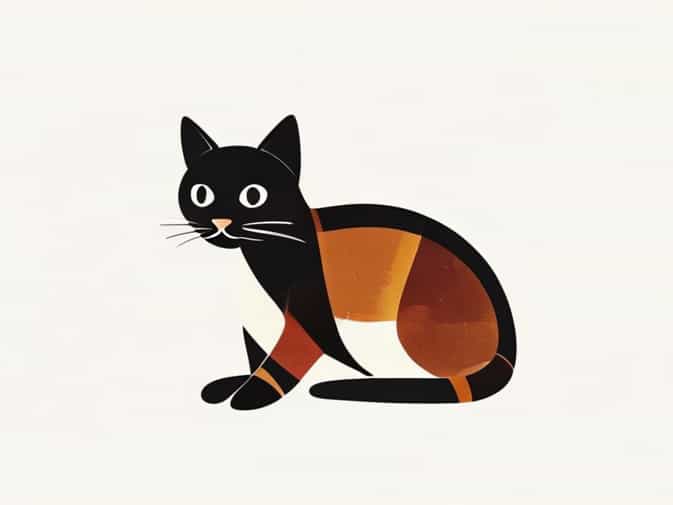
Cats come in a stunning variety of colors and patterns, and two of the most beautiful and often confused types are tortoiseshell and calico cats. At first glance, it can be difficult to tell them apart, as both display unique blends of black, orange, and sometimes white fur. Many cat lovers wonder is a tortoiseshell cat a calico? Although they share some similarities, they are not exactly the same. Understanding the difference between a tortoiseshell and a calico cat involves looking closely at their coat patterns, genetics, and even a little bit of feline personality lore.
Understanding Tortoiseshell Cats
A tortoiseshell cat, often affectionately called a tortie, is characterized by a mix of black and orange fur that can appear mottled, marbled, or brindled. Unlike other patterned cats, tortoiseshells do not have white patches in their fur. Their coats are typically a blend of rich, dark colors that seem to swirl together in a striking mosaic.
The name tortoiseshell comes from the resemblance of their fur pattern to the mottled shell of a tortoise. Each tortoiseshell cat has a one-of-a-kind coat no two are exactly alike. Their coloring can range from dark and subtle shades of chocolate and amber to bright and vivid oranges and blacks. Some may even display muted tones, known as dilute tortoiseshells, where the colors appear softer, such as gray and cream instead of black and orange.
The Genetics Behind Tortoiseshell Coloring
The tortoiseshell coat pattern is caused by a combination of genetics linked to the X chromosome. The orange and black fur colors are both controlled by genes located on this chromosome. Since female cats have two X chromosomes, they can carry both color genes, which blend to form the tortoiseshell pattern. Male cats, on the other hand, have only one X and one Y chromosome, so it is rare for them to exhibit both colors. This explains why the vast majority of tortoiseshell cats are female, while male torties are extremely uncommon and usually sterile due to genetic anomalies such as having an extra X chromosome (XXY).
What Makes a Calico Cat Different?
Calico cats, while similar to tortoiseshells, have an important distinction they have white patches in their fur. A calico cat’s coat typically consists of three colors black, orange, and white arranged in distinct, separate areas rather than blended together. The white portions often create a piebald or patchwork pattern that gives calico cats their distinctive look.
The presence of white fur in calicos is caused by a different genetic factor that suppresses pigment in certain areas of the coat. This means that while both tortoiseshells and calicos share the same orange and black genes, calicos have an additional gene responsible for the white patterning. Depending on how dominant this white-spotting gene is, a calico may have just a few small patches of white or large areas that dominate the body.
Varieties of Calico Patterns
Just like tortoiseshells, calico cats come in different variations based on the intensity of their colors. The main types include
- Standard CalicoFeatures distinct patches of black, orange, and white.
- Dilute CalicoHas softer shades such as gray, cream, and white instead of black and orange.
- CalibyA combination of calico and tabby patterns, where the colored patches contain faint stripes or spots.
Each of these variations gives the calico cat a unique and charming appearance, making them some of the most visually striking cats in the world.
The Relationship Between Tortoiseshell and Calico Cats
Now that we know what defines each pattern, it becomes clearer that while all calico cats share some traits with tortoiseshells, not all tortoiseshells are calicos. The key difference lies in the presence of white fur. A tortoiseshell cat has a mix of orange and black fur without white, while a calico cat has the same colors but includes white areas as well. In other words, a calico is essentially a tortoiseshell cat with additional white spotting.
This distinction means that the two patterns are closely related in terms of genetics. The main genes that determine the orange and black colors are the same, but the white-spotting gene changes how the colors appear on the coat. Because of this genetic link, you may occasionally hear people refer to calicos as tortoiseshell-and-white cats, which is technically accurate.
How to Tell the Difference Between a Tortoiseshell and a Calico
If you’re unsure whether your cat is a tortoiseshell or a calico, here are some quick tips to help you identify which category they fall into
- Check for white fur. If your cat has significant areas of white especially on the belly, chest, or legs it’s a calico.
- If your cat’s coat is primarily a blend of orange and black without white, it’s a tortoiseshell.
- Calicos tend to have more clearly defined patches, while torties have a more blended or marbled look.
- Dilute versions of both cats will have lighter shades but follow the same basic pattern rules.
By observing these features, you can easily determine whether your cat is a true tortoiseshell or a calico.
Personality Traits and Myths
Beyond their stunning appearance, tortoiseshell and calico cats are also famous for their personalities. Many cat owners believe that tortoiseshells have a distinct attitude often referred to as tortitude. This term describes their feisty, independent, and sometimes sassy behavior. Calico cats, which share similar genetic traits, are often said to have equally strong personalities. Of course, every cat is an individual, but there’s no denying that many owners find their torties and calicos full of character.
Interestingly, both types of cats have been associated with good fortune in various cultures. In Japan, for example, calico cats are considered symbols of luck and prosperity, often represented in the famous Maneki-neko figurines. Tortoiseshell cats, on the other hand, have been viewed as protectors against evil spirits in folklore from different parts of the world.
Are Tortoiseshell and Calico Cats Rare?
While neither tortoiseshell nor calico cats are extremely rare, their genetic makeup does make them special. Because the color pattern is linked to the X chromosome, most of these cats are female. Male tortoiseshell or calico cats are estimated to occur in only about one in every 3,000 cases, and they are usually sterile due to chromosomal abnormalities. This rarity adds to the fascination and admiration surrounding these cats.
Genetic Fun Facts
The science behind tortoiseshell and calico cats reveals some fascinating aspects of feline genetics
- The gene for orange color (O) and the gene for black color (o) exist on the X chromosome.
- Female cats, having two X chromosomes (XX), can express both orange and black fur colors simultaneously, resulting in tortoiseshell or calico patterns.
- Male cats, with one X and one Y chromosome (XY), typically can only be orange or black not both unless they have a rare genetic condition such as XXY, which causes the mixed-color pattern.
- Environmental factors in the womb can also influence how the color patches form on the cat’s fur, meaning even genetically similar cats may look completely different.
Why People Love These Cats
Part of the reason people are so fascinated by tortoiseshell and calico cats is their uniqueness. Every cat’s coat is like a fingerprint completely one-of-a-kind. Their bold patterns and distinct personalities make them stand out, whether in shelters, homes, or on social media. Some cat enthusiasts even collect photos of torties and calicos just to appreciate their natural artistry.
In addition, their rich history and connection to cultural symbolism give them an almost mystical reputation. Owning a tortoiseshell or calico cat often feels like having a living piece of art, full of energy, beauty, and individuality.
So, is a tortoiseshell cat a calico? The short answer is no but they are closely related. Both share the same basic color genetics involving black and orange, but the calico cat includes white fur due to an additional gene that alters pigmentation. In essence, every calico cat could be described as a tortoiseshell with white, while a tortoiseshell lacks the white patterning. Despite their differences, both types are cherished for their stunning looks and strong personalities. Whether you have a feisty tortie or a charming calico, you’re sharing your home with one of nature’s most beautiful examples of feline genetics and individuality.