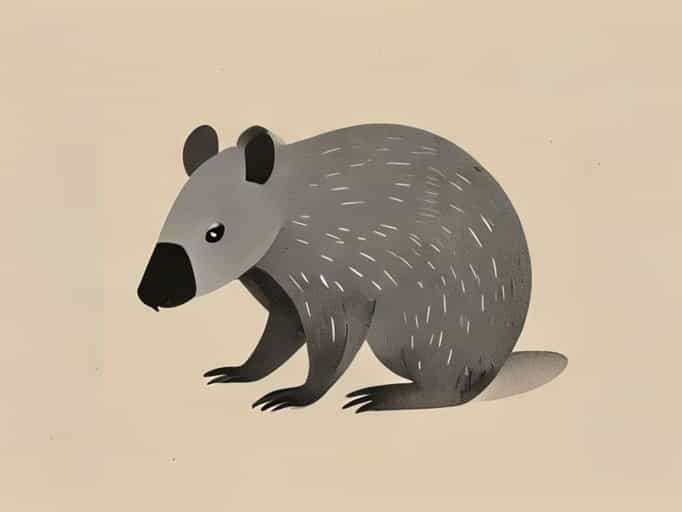
Wombats are fascinating marsupials native to Australia, known for their sturdy build, burrowing habits, and unique behaviors. One of the most commonly asked questions about these animals is whether wombats are nocturnal. Understanding the activity patterns of wombats is important not only for wildlife enthusiasts and researchers but also for anyone interested in observing these creatures in their natural habitat. Wombats have evolved to adapt to their environment, and their behavior is influenced by factors such as food availability, temperature, and predation, which play a crucial role in determining their activity cycles.
Wombat Activity Patterns
Wombats are primarily nocturnal, meaning they are most active during the night. This nocturnal behavior allows them to avoid the heat of the day, which is particularly important in the warm Australian climate. By being active at night, wombats can conserve energy, regulate their body temperature, and reduce water loss. Although they are mainly nocturnal, wombats may occasionally be seen during dawn or dusk, especially in cooler months or areas where they feel safe from predators.
Reasons for Nocturnal Behavior
- Temperature RegulationAvoiding the daytime heat helps wombats maintain a stable body temperature.
- Predator AvoidanceBeing active at night reduces the risk of encounters with predators such as dingoes and eagles.
- Food ForagingMany of the plants that wombats eat are easier to access or safer to consume at night.
- Energy ConservationBurrowing and nocturnal foraging allows them to save energy in a resource-scarce environment.
Burrowing and Shelter Habits
Wombats are excellent diggers, creating extensive burrow systems where they spend most of their daytime hours resting. These burrows provide shelter from heat, predators, and harsh weather conditions. The burrowing behavior is closely tied to their nocturnal lifestyle because it allows wombats to stay safe and cool during daylight hours, emerging at night when the temperature drops and food is more accessible. The design of their burrows, with multiple entrances and compact chambers, also aids in ventilation and predator evasion.
Burrow Features
- Multiple entrances for quick escape from predators
- Chambers that maintain a stable temperature
- Soft soil to facilitate easy digging and expansion
- Hidden locations to reduce detection by humans and predators
Diet and Foraging Behavior
Wombats are herbivores that primarily feed on grasses, roots, bark, and other vegetation. Their nocturnal activity is closely linked to their diet because nighttime foraging allows them to access cooler, more moist areas of grass and plants, which are easier to digest and less likely to be consumed by other animals. Wombats have strong teeth and powerful jaws, enabling them to chew through tough vegetation efficiently. The nocturnal habit also reduces competition for food with diurnal herbivores.
Food Preferences
- Grasses and herbs that are nutrient-rich
- Roots and tubers dug from the soil
- Bark from shrubs and trees for additional fiber
- Occasional mosses or fungi depending on the habitat
Interaction with Humans
While wombats are generally nocturnal, human activity can sometimes influence their behavior. In areas with minimal human disturbance, wombats stick to their natural nocturnal patterns. However, in regions where humans are present, wombats may adjust their activity slightly to avoid contact, sometimes emerging at dawn or dusk when human presence is lower. Observing wombats in the wild requires patience and understanding of their natural nocturnal tendencies. Wildlife enthusiasts often recommend visiting wombat habitats during early evening or nighttime hours for the best chance of sightings.
Tips for Observing Wombats
- Visit natural habitats during early evening or nighttime
- Use low-light or red-light flashlights to avoid disturbing them
- Maintain a safe distance to prevent stress or aggressive behavior
- Observe their burrow entrances during the day to identify activity patterns
Wombats’ Role in the Ecosystem
Wombats play an important role in their ecosystems, and their nocturnal behavior contributes to this. By foraging at night, they help maintain plant populations, disperse seeds, and aerate the soil through their digging activities. Their burrows also provide shelter for other animals, such as reptiles, insects, and smaller mammals, creating microhabitats that support biodiversity. Understanding the nocturnal habits of wombats helps ecologists assess their ecological impact and the balance of their habitats.
Ecological Contributions
- Soil aeration through extensive burrowing
- Seed dispersal and vegetation management
- Providing shelter for other nocturnal and diurnal species
- Maintaining balance in local ecosystems by controlling plant growth
Adaptations for Nocturnal Living
Wombats have evolved several adaptations that make them well-suited for nocturnal life. Their eyes are adapted to low-light conditions, allowing them to navigate effectively at night. Strong limbs and claws enable efficient digging and movement through their burrows and overland terrain. Additionally, wombats have a slow metabolism that allows them to sustain activity over extended periods without requiring frequent feeding. These adaptations collectively ensure that wombats thrive as nocturnal animals in the diverse landscapes of Australia.
Key Adaptations
- Enhanced night vision for navigating in darkness
- Powerful claws and limbs for digging and movement
- Robust body structure for protection and endurance
- Slow metabolism supporting nocturnal activity without frequent feeding
Wombats are primarily nocturnal animals that have adapted remarkably well to their environment. Their nighttime activity, combined with their burrowing habits, dietary preferences, and unique adaptations, allows them to thrive while avoiding daytime heat and predators. Observing wombats in the wild requires understanding their nocturnal patterns, making early evening and night the best times to spot them. Beyond their individual behavior, wombats play a significant role in their ecosystems, supporting biodiversity and maintaining ecological balance. The study of wombats’ nocturnal lifestyle offers valuable insights into their behavior, survival strategies, and contributions to the Australian environment.