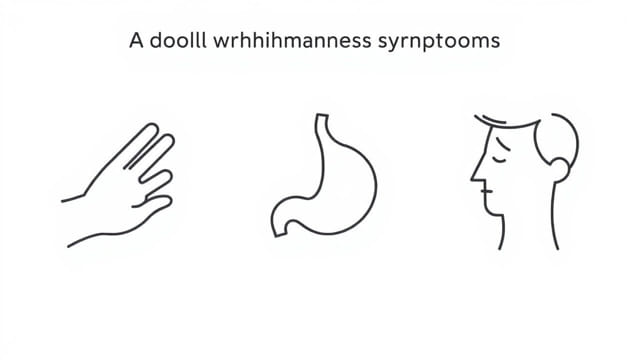
Many people who consume alcohol regularly may not fully understand what happens when they suddenly stop drinking. The body becomes dependent on alcohol over time, and when that supply is abruptly taken away, it often responds with a range of physical and psychological symptoms. These are commonly referred to as alcohol withdrawal symptoms. Recognizing these symptoms is important for ensuring proper treatment and support, as alcohol withdrawal can vary in intensity and even be life-threatening in severe cases. For anyone who drinks regularly, understanding the reality of alcohol withdrawal is essential.
Understanding Alcohol Withdrawal
What is Alcohol Withdrawal?
Alcohol withdrawal is the body’s natural reaction to the sudden absence of alcohol after prolonged use. Alcohol acts as a depressant on the central nervous system, slowing brain function and relaxing the body. When alcohol is removed, the nervous system becomes overstimulated, which can lead to uncomfortable and sometimes dangerous symptoms.
Why Does Alcohol Withdrawal Happen?
When a person drinks alcohol consistently over time, the brain adjusts to the presence of alcohol and begins to rely on it. The brain reduces its own production of certain neurotransmitters because alcohol is artificially altering their levels. Once alcohol is no longer available, the brain struggles to restore balance, resulting in withdrawal symptoms.
Common Alcohol Withdrawal Symptoms
Mild Symptoms
These are often the first signs of withdrawal and may begin within 6 to 12 hours after the last drink:
- Anxiety or nervousness
- Shakiness or tremors
- Nausea or vomiting
- Headache
- Difficulty sleeping or insomnia
Moderate Symptoms
As withdrawal progresses, symptoms may intensify and include:
- Rapid heartbeat
- High blood pressure
- Fever
- Confusion or trouble concentrating
- Increased irritability or mood swings
Severe Symptoms Delirium Tremens
In serious cases, especially for those who have been drinking heavily for years, a dangerous condition called delirium tremens (DTs) may occur. Symptoms of DTs usually appear 48 to 72 hours after the last drink and can include:
- Severe confusion or disorientation
- Hallucinations (seeing or hearing things that aren’t there)
- Seizures
- Extreme agitation
- High fever
- Profuse sweating
DTs is a medical emergency and requires immediate attention. Without treatment, it can be fatal.
How Long Do Alcohol Withdrawal Symptoms Last?
The duration of alcohol withdrawal symptoms varies depending on the individual, the amount and duration of alcohol use, and other health factors. Generally, the timeline can be divided into stages:
Stage 1: 612 Hours After Last Drink
Initial symptoms like tremors, anxiety, and headache appear. These signs may feel like an intense hangover at first.
Stage 2: 2448 Hours
Symptoms may become more intense, with higher blood pressure and temperature, irritability, and mild hallucinations possible.
Stage 3: 4872 Hours
This is the peak danger period, especially for those at risk of DTs or seizures. Medical supervision is often required during this time.
Stage 4: 47 Days
Symptoms gradually subside. However, fatigue, depression, and sleep issues may linger for several weeks.
Who is at Risk of Severe Withdrawal?
Not every person who drinks will experience severe alcohol withdrawal. Risk factors include:
- Long-term heavy alcohol use
- Previous history of withdrawal symptoms
- Concurrent medical issues (such as liver disease)
- Use of other substances along with alcohol
- Poor nutrition or hydration
Treatment Options for Alcohol Withdrawal
Medical Detox
Medical detox is the safest way to manage withdrawal, especially for individuals at risk of severe symptoms. Detox often takes place in a hospital or specialized clinic, where medications and fluids are given to manage symptoms and prevent complications.
Medications
Certain medications are commonly used during alcohol detox, including:
- Benzodiazepines to reduce anxiety, seizures, and tremors
- Anticonvulsants to prevent seizures
- Beta-blockers to manage heart rate and blood pressure
- Vitamins especially thiamine (B1) to prevent neurological damage
Supportive Care
In addition to medications, supportive care is critical. This includes hydration, nutrition, rest, and emotional support. Therapy and counseling can also help individuals prepare for ongoing sobriety after withdrawal is complete.
What Happens After Withdrawal?
Successfully getting through alcohol withdrawal is only the first step in recovery. Many people will still struggle with cravings, emotional instability, and the urge to return to drinking. This stage is known as post-acute withdrawal syndrome (PAWS), which can last for months.
Long-Term Treatment
Options for ongoing care include:
- Inpatient rehabilitation programs
- Outpatient counseling
- 12-step support groups like Alcoholics Anonymous
- Cognitive-behavioral therapy (CBT)
- Medication-assisted treatment
When to Seek Help
If you or someone you know is planning to stop drinking and has been consuming alcohol regularly or heavily, it is important to speak to a healthcare professional. Trying to quit ‘cold turkey’ without medical supervision can be extremely dangerous. Medical guidance ensures a safer withdrawal process and opens the door to long-term recovery solutions.
Alcohol withdrawal symptoms are a real and often serious concern for individuals who decide to stop drinking after prolonged use. Symptoms can range from mild discomfort to life-threatening complications, and understanding the stages, risks, and treatments is critical. With professional help, many people successfully navigate withdrawal and go on to live healthier, sober lives. The key is recognizing the signs early and not hesitating to seek support when needed.