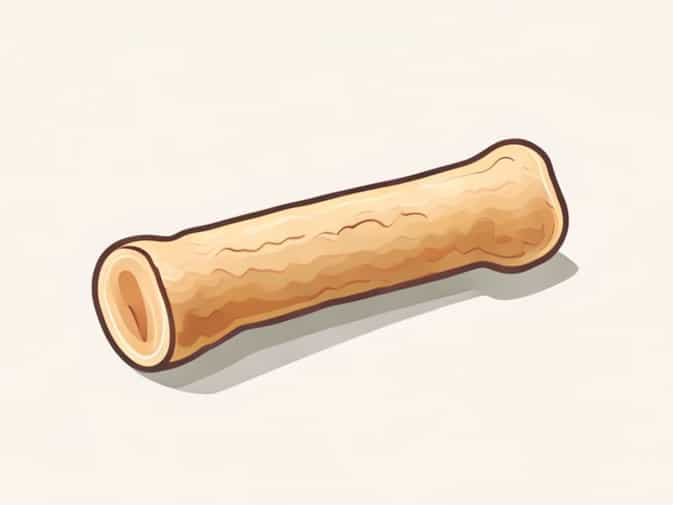
Bully sticks have become one of the most popular chew treats for dogs, praised for their durability, digestibility, and ability to satisfy a dog’s natural chewing instincts. However, many pet owners often wonder whether bully sticks are considered rawhide or if they are an entirely different type of chew. Understanding the distinction between bully sticks and rawhide is important for making informed decisions about your pet’s health, dental care, and nutrition. This topic explores what bully sticks are, how they differ from rawhide, and the benefits and potential concerns associated with each.
What Are Bully Sticks?
Bully sticks are all-natural dog chews made from the pizzle, or penis, of a bull or steer. They are typically dried, baked, or smoked to create a long-lasting chew that dogs enjoy. Because they are made entirely from animal protein, bully sticks are highly digestible, unlike many other chew treats. They come in various sizes and shapes to accommodate small, medium, and large dogs, and they are often marketed as a healthy alternative to rawhide chews.
How Bully Sticks Are Made
The production process of bully sticks generally involves cleaning the bull pizzle, stretching it into a stick shape, and then cooking it at low temperatures through baking, air-drying, or smoking. This process preserves the protein content while making the chew safe and palatable for dogs. Unlike rawhide, no chemical soaking or harsh processing is involved in producing bully sticks, which makes them a natural and relatively safe treat option.
What Is Rawhide?
Rawhide is another type of dog chew, but it is very different from bully sticks. Rawhide is made from the inner layer of cow or horse hides. The hides undergo a chemical process, which often involves soaking in lime, bleach, or other chemicals to remove hair and fat. After this treatment, the hides are pressed, cut into shapes, and dried to form chewable products for dogs. While rawhide chews can satisfy a dog’s urge to chew, they are generally less digestible than bully sticks, and large pieces can pose choking hazards.
Key Differences Between Bully Sticks and Rawhide
- Source MaterialBully sticks come from the bull pizzle, while rawhide comes from the inner layer of cow or horse hides.
- ProcessingBully sticks are dried or baked naturally, whereas rawhide undergoes chemical treatments to remove hair and preserve the material.
- DigestibilityBully sticks are fully digestible and can be safely consumed by most dogs, while rawhide can cause digestive blockages if swallowed in large chunks.
- Nutritional ContentBully sticks are high in protein and low in fat, whereas rawhide contains minimal nutrients.
- Safety ConcernsRawhide carries a higher risk of choking or gastrointestinal issues if not chewed properly. Bully sticks are generally safer but still require supervision.
Benefits of Bully Sticks
Bully sticks offer several advantages that make them a preferred choice for many dog owners
- Dental HealthChewing on bully sticks helps remove plaque and tartar buildup, promoting healthier teeth and gums.
- High Protein TreatBeing made entirely of animal protein, bully sticks provide a nutritious snack that dogs can enjoy.
- Long-Lasting ChewTheir firm texture makes them a durable chew, keeping dogs occupied and mentally stimulated.
- DigestibilityBully sticks are fully digestible, reducing the risk of intestinal blockages.
- Low Fat OptionMany bully sticks are lower in fat compared to other chews, making them suitable for dogs on a controlled diet.
Considerations When Feeding Bully Sticks
While bully sticks are generally safe, there are some considerations to keep in mind
- Always supervise your dog while chewing to prevent choking on small pieces.
- Choose the appropriate size based on your dog’s breed and chewing strength.
- Be mindful of caloric content, as some larger bully sticks can add extra calories to your dog’s diet.
- Store bully sticks in a cool, dry place to prevent spoilage or mold.
Rawhide Safety and Risks
Rawhide chews, while popular, come with several safety concerns. Because they are not fully digestible, large or broken pieces can cause blockages in a dog’s digestive tract. Some rawhide products are also treated with chemicals that may be harmful if ingested. Additionally, rawhide chews tend to be less appealing to some dogs due to their texture and taste. For these reasons, many veterinarians recommend bully sticks or other natural chews as safer alternatives.
When Rawhide May Be Appropriate
In some cases, rawhide can still be a suitable chew for dogs that are closely supervised and are strong chewers. Choosing high-quality rawhide that is minimally processed and free of harmful chemicals can reduce risks. However, even then, pet owners should monitor their dogs closely and remove small or broken pieces promptly.
So, are bully sticks rawhide? The answer is no. Bully sticks are entirely different from rawhide in terms of source, processing, digestibility, and safety. Made from bull pizzle and naturally dried or baked, bully sticks provide a protein-rich, digestible, and safe chew option for dogs. In contrast, rawhide comes from chemically treated hides and can pose digestive and choking risks if not managed carefully. Understanding these differences helps pet owners make informed choices and provide their dogs with chews that are both enjoyable and safe. By selecting the right size, supervising chewing, and considering your dog’s dietary needs, bully sticks can be a healthy and rewarding treat that supports both dental health and mental stimulation.