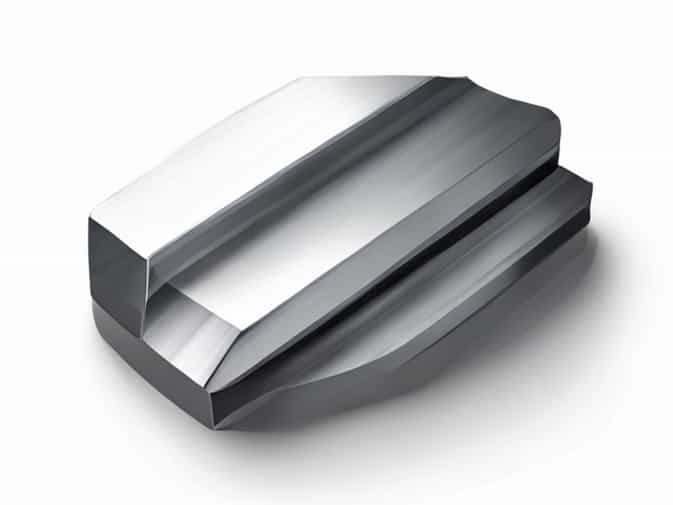
Chromium vanadium steel is a widely used alloy in manufacturing and tool-making industries, renowned for its durability, strength, and resistance to wear and corrosion. This type of steel is created by combining iron with chromium and vanadium, resulting in a material that possesses superior mechanical properties compared to standard carbon steels. Its versatility and robustness make it a popular choice for producing hand tools, automotive components, and high-stress industrial parts. Understanding the composition, properties, and applications of chromium vanadium steel is essential for engineers, mechanics, and consumers seeking reliable and long-lasting steel products.
Composition of Chromium Vanadium Steel
Chromium vanadium steel is primarily an alloy of iron, carbon, chromium, and vanadium. Each element contributes specific characteristics to the final material. Carbon strengthens the steel and increases hardness, while chromium enhances corrosion resistance and improves tensile strength. Vanadium is added to refine grain structure and further improve toughness and fatigue resistance. The precise composition may vary depending on the intended application, but typically chromium content ranges from 0.8% to 1.2% and vanadium content from 0.15% to 0.25%, with carbon levels between 0.5% and 0.9%.
Role of Chromium
Chromium is a key element in chromium vanadium steel, contributing to its resistance against oxidation and corrosion. Chromium forms a passive layer on the surface of the steel that prevents rust formation, making it ideal for tools and components exposed to moisture or harsh environments. Additionally, chromium increases the steel’s hardness, allowing it to maintain sharp edges in cutting tools and withstand high mechanical stress.
Role of Vanadium
Vanadium plays an important role in enhancing the toughness and wear resistance of the steel. It refines the grain structure of the metal, resulting in higher strength and improved fatigue resistance. This makes chromium vanadium steel particularly suitable for tools and mechanical parts that are subjected to repeated stress or impact, such as wrenches, sockets, and automotive components.
Properties of Chromium Vanadium Steel
The combination of carbon, chromium, and vanadium gives this steel a set of properties that make it highly desirable in industrial and consumer applications. Chromium vanadium steel is known for its excellent strength, hardness, and toughness, as well as its ability to resist corrosion and wear. These properties ensure that tools and components made from this alloy perform reliably over extended periods of use.
Mechanical Strength and Hardness
Chromium vanadium steel exhibits high tensile and yield strength, which allows it to withstand significant forces without deforming. The hardness of the steel, achieved through heat treatment processes such as quenching and tempering, ensures that cutting edges and surfaces remain sharp and resistant to wear. These mechanical properties make it ideal for hand tools and industrial components that require precision and durability.
Corrosion Resistance
Thanks to the chromium content, chromium vanadium steel demonstrates notable resistance to corrosion. This property is particularly important for tools and equipment used in humid or outdoor environments, where exposure to water and air can lead to rust formation. The corrosion resistance not only prolongs the lifespan of the steel but also reduces maintenance requirements.
Toughness and Fatigue Resistance
Vanadium contributes to the steel’s toughness, allowing it to absorb impact and resist cracking under repeated stress. This property is essential for tools that experience frequent striking, twisting, or bending, as well as for automotive parts that must endure constant mechanical loading. The fatigue resistance provided by vanadium ensures long-term reliability and safety in demanding applications.
Applications of Chromium Vanadium Steel
Due to its unique combination of strength, hardness, and corrosion resistance, chromium vanadium steel is widely used in a variety of industries. Its versatility makes it suitable for manufacturing tools, automotive components, industrial machinery, and other high-stress items.
Hand Tools
Chromium vanadium steel is commonly used to produce hand tools such as wrenches, sockets, screwdrivers, pliers, and ratchets. The alloy’s strength ensures that these tools can withstand high torque without bending or breaking, while its hardness maintains precise edges and surfaces. Corrosion resistance is also crucial for tools exposed to oils, water, and varying temperatures in workshops and garages.
Automotive Components
In the automotive industry, chromium vanadium steel is used to manufacture parts such as gears, axles, bolts, and crankshafts. These components require high mechanical strength, wear resistance, and durability to ensure vehicle safety and performance. The alloy’s toughness and fatigue resistance help prevent premature failure under constant stress and high loads.
Industrial Machinery and Equipment
Chromium vanadium steel is employed in industrial machinery for parts that endure repeated stress or impact, including cutting tools, dies, and molds. Its hardness and wear resistance enhance the longevity of machinery, reducing downtime and maintenance costs. Additionally, corrosion resistance ensures that industrial components remain reliable in environments with exposure to chemicals, moisture, or extreme temperatures.
Heat Treatment of Chromium Vanadium Steel
Heat treatment is a critical process in optimizing the properties of chromium vanadium steel. Processes such as quenching, tempering, and annealing are used to enhance hardness, strength, and toughness. Quenching rapidly cools the steel to increase hardness, while tempering reduces brittleness and improves impact resistance. Proper heat treatment ensures that the steel performs reliably under demanding conditions and meets specific application requirements.
Quenching and Tempering
Quenching involves heating the steel to a high temperature and then rapidly cooling it, usually in oil or water. This process increases the hardness of the steel, making it suitable for cutting and high-stress tools. Tempering follows quenching to relieve internal stresses and reduce brittleness, balancing hardness with toughness for optimal performance.
Maintenance and Care
Maintaining chromium vanadium steel tools and components is relatively straightforward but important to ensure longevity. Regular cleaning, drying, and lubrication help prevent corrosion and wear. Avoiding exposure to harsh chemicals and storing tools in dry conditions further enhances durability. Proper care maximizes the performance and lifespan of chromium vanadium steel products, making them a reliable investment for both professionals and hobbyists.
Tips for Longevity
- Wipe tools clean after use to remove dirt, grease, and moisture.
- Store tools in a dry, organized toolbox to prevent scratches and corrosion.
- Apply light oil or protective coating to metal surfaces to prevent rust.
- Avoid excessive force or misuse that could compromise the steel’s integrity.
- Inspect tools regularly for signs of wear or damage and replace if necessary.
Chromium vanadium steel is a high-quality alloy known for its exceptional strength, hardness, toughness, and corrosion resistance. The combination of chromium and vanadium enhances the steel’s mechanical properties, making it suitable for a wide range of applications, from hand tools and automotive parts to industrial machinery. Proper heat treatment, maintenance, and handling further optimize its performance and durability. Whether for professional or personal use, chromium vanadium steel offers a reliable and long-lasting solution that meets the demands of modern industries and everyday applications.
Understanding the properties and benefits of chromium vanadium steel allows consumers, engineers, and manufacturers to make informed choices when selecting materials for tools and mechanical components. Its versatility, durability, and resistance to wear make it a preferred material for applications requiring both precision and strength. By investing in chromium vanadium steel products and maintaining them appropriately, users can enjoy long-term performance, safety, and value.