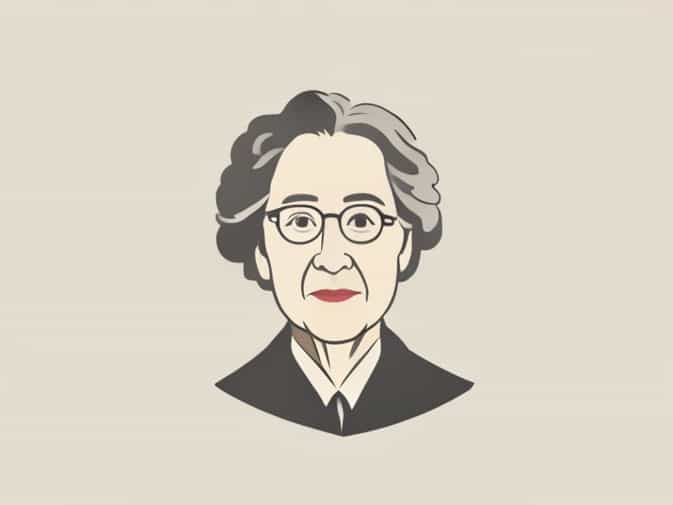
Among the remarkable figures of the twentieth century, Corrie ten Boom stands out as a symbol of courage, forgiveness, and faith. Her story continues to inspire millions around the world for her bravery during World War II, when she risked her life to protect Jews from Nazi persecution. Corrie was not a soldier or a politician, but an ordinary woman whose extraordinary compassion and conviction left a lasting impact on history. Understanding who Corrie ten Boom was means exploring a life defined by moral strength, sacrifice, and deep spiritual belief.
Early Life and Family Background
Corrie ten Boom was born on April 15, 1892, in Haarlem, the Netherlands. She was the youngest of four children in a devout Christian family. Her father, Casper ten Boom, was a watchmaker who ran a small shop below their home, known as the Beje. The ten Boom family was deeply religious, with a strong sense of duty to help others, regardless of their background or beliefs.
Growing up, Corrie was taught the values of honesty, compassion, and faith. These lessons shaped her worldview and later guided her actions during one of the darkest periods in human history. She was also practical and intelligent, qualities that made her the first licensed female watchmaker in the Netherlands a rare achievement for a woman at that time.
World War II and the Resistance
When Nazi Germany invaded the Netherlands in 1940, life changed drastically for the Dutch people. The German occupation brought strict control, persecution of Jews, and fear across the country. For Corrie ten Boom and her family, their faith demanded action. Motivated by Christian love and moral conviction, they became part of the Dutch resistance, offering refuge to Jews and political refugees.
In their home above the watch shop, the ten Booms built a secret room behind a false wall in Corrie’s bedroom. This space, known as the hiding place, could conceal up to six people at a time. They also established an underground network of safe houses, forged identity papers, and helped people find food ration cards. Despite the constant danger, Corrie and her family continued their mission with courage and determination.
The Arrest and Imprisonment
In February 1944, the ten Boom family’s activities were betrayed to the Nazis. The Gestapo raided their home and arrested Corrie, her sister Betsie, and their father. Although the six people hiding in the secret room remained undiscovered and were later rescued, the family paid a heavy price. Casper ten Boom, aged 84, died just ten days after being imprisoned.
Corrie and Betsie were sent first to Scheveningen Prison, then to Vught concentration camp, and finally to Ravensbrück, a notorious women’s concentration camp in Germany. The conditions there were brutal overcrowding, starvation, disease, and cruelty were constant realities. Yet, despite their suffering, Corrie and Betsie continued to pray, share their faith, and encourage other prisoners with hope and kindness.
Betsie’s Death and Corrie’s Release
Tragically, Betsie ten Boom’s health deteriorated in the harsh environment of Ravensbrück. She died in December 1944, just days before Corrie’s unexpected release. Later, Corrie discovered that her release had been the result of a clerical error a mistake that saved her life. Within a week of her departure, all women her age at the camp were executed.
Corrie’s survival marked the beginning of a new mission to share her story and spread the message of forgiveness and faith even after immense personal loss. She returned to the Netherlands physically weak but spiritually unbroken.
The Message of Forgiveness
After the war, Corrie ten Boom dedicated her life to speaking about her experiences and promoting the power of forgiveness. One of the most memorable moments of her post-war life occurred when she encountered one of the former Nazi guards from Ravensbrück at a church in Germany. The man, now repentant, asked Corrie for forgiveness. Though she hesitated at first, she prayed for strength and extended her hand in forgiveness, feeling what she later described as a surge of love through divine power.
This act embodied Corrie’s central message that forgiveness is not an emotion but a decision, and that true peace can only come through letting go of hatred. Her words and example touched many people struggling with the pain of loss and injustice.
Corrie Ten Boom’s Books and Legacy
Corrie ten Boom shared her story through public speaking and writing. Her most famous book,The Hiding Place, published in 1971, became an international bestseller and was later adapted into a film. The book recounts her family’s efforts to hide Jews, their arrest, and her experiences in the concentration camps. It remains one of the most powerful testimonies of faith and resilience in modern literature.
Other books written by Corrie includeTramp for the LordandIn My Father’s House, which detail her travels and continued ministry after the war. She traveled to more than 60 countries, sharing her story and encouraging people to trust in God’s plan, even in the most difficult circumstances.
Her Influence on Faith and Humanity
Corrie ten Boom’s influence extends beyond religious communities. Her story is a universal reminder of the strength of the human spirit and the transformative power of forgiveness. She demonstrated that love and compassion can survive even in the face of unimaginable cruelty. Her life challenges people of all backgrounds to act with kindness, courage, and moral conviction.
Her legacy is preserved not only in her books and speeches but also in the Corrie ten Boom House Museum in Haarlem, where visitors can see the original hiding place that saved lives during the Holocaust. This museum serves as both a historical site and a symbol of hope for future generations.
Lessons from Corrie Ten Boom’s Life
The life of Corrie ten Boom offers several timeless lessons that continue to inspire people today
- Courage in the face of evilEven when surrounded by danger, Corrie’s family chose to do what was right, showing that moral bravery often begins with small acts of kindness.
- Faith in difficult timesCorrie’s unwavering belief in God gave her strength to endure unimaginable hardship and helped her find purpose beyond her suffering.
- Power of forgivenessHer ability to forgive those who wronged her reveals the depth of spiritual freedom that forgiveness brings.
- Compassion for othersCorrie’s story teaches the importance of empathy and caring for those in need, even when it involves personal risk.
Later Years and Death
In her later years, Corrie ten Boom continued to travel and share her message across the world. She eventually settled in California, where she lived quietly after suffering a series of strokes. She passed away on April 15, 1983 her 91st birthday. Many saw her death on the same day she was born as symbolic of a life completed in faith and purpose.
Corrie ten Boom was more than a survivor of the Holocaust; she was a beacon of hope and forgiveness in a world torn by hatred and violence. Her courage to protect others, her endurance through suffering, and her message of love have made her a timeless example of humanity at its best. Today, the name Corrie ten Boom stands for resilience, compassion, and the unshakable belief that even in the darkest times, light can still be found. Her legacy continues to inspire those who seek to make the world a kinder, more forgiving place.