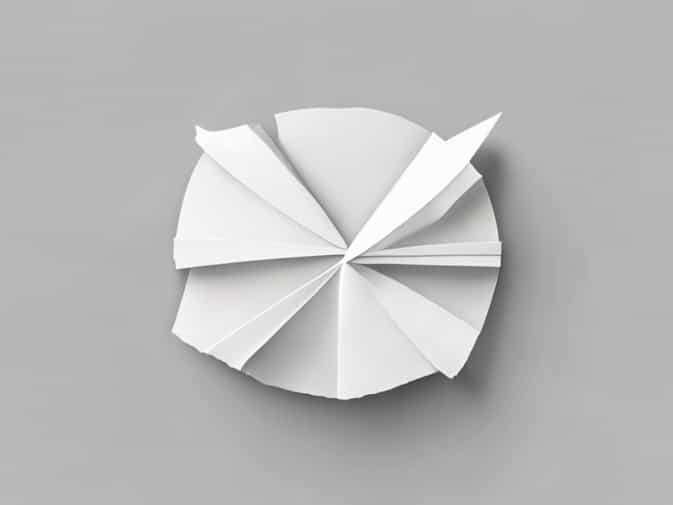
The act of cutting paper may seem like a simple and ordinary task, but it has deep roots in both everyday life and creative expression. From school projects to industrial manufacturing, the cutting of paper serves as one of the most basic yet essential operations in modern society. It is not only a physical process but also an art form when applied in crafts, design, and precise engineering. Understanding the different methods, tools, and purposes behind paper cutting helps us appreciate how this seemingly small action influences countless aspects of work, art, and technology.
Understanding What Cutting of Paper Means
Cutting of paper refers to the process of separating, trimming, or shaping sheets of paper into desired sizes or forms. This process can be manual, using simple tools such as scissors or blades, or mechanical, involving specialized cutting machines used in printing houses, packaging factories, and crafting industries. The purpose of cutting paper varies from creating clean edges for documents to crafting intricate decorative patterns.
In everyday life, cutting paper is often associated with basic tasks like wrapping gifts, preparing study materials, or making cards. In industrial settings, however, it becomes a precision operation where accuracy, speed, and consistency are crucial. Whether it’s for producing books, posters, or packaging materials, paper cutting is an indispensable part of the production chain.
Types of Paper Cutting
There are several types of paper cutting methods depending on the intended outcome and the tools used. These methods can be broadly divided into manual cutting and machine-based cutting.
Manual Paper Cutting
Manual cutting is the traditional way of shaping or dividing paper using hand tools. It allows for a personal touch and flexibility, especially in artistic or small-scale tasks. Common methods include
- Scissor CuttingThe most familiar method, used in homes and schools for cutting simple shapes or trimming paper edges.
- Knife or Blade CuttingPrecision cutting using utility knives or craft knives, often used in art projects and design work.
- Paper TrimmersDevices with a straight blade that moves along a guide to produce clean, straight cuts popular in offices and printing setups.
Machine-Based Paper Cutting
For professional or industrial-scale cutting, machines are used to handle large quantities of paper efficiently. Some of the main types include
- Guillotine CuttersHeavy-duty machines that can cut thick stacks of paper with a single motion, ensuring accuracy and speed.
- Die CuttersMachines that use metal dies to cut paper into specific shapes, often used in packaging, greeting cards, and crafts.
- Laser CuttersAdvanced machines that use laser beams for intricate designs, capable of producing delicate and detailed cuts with high precision.
The Role of Cutting in Paper Production
In the paper manufacturing and printing industries, cutting plays a vital role in transforming large paper rolls or sheets into final products. After paper is produced and dried in huge rolls, it must be cut into manageable sizes suitable for various uses A4, A3, letter, or custom dimensions. Cutting also determines the appearance and usability of printed materials such as magazines, flyers, and books.
Industrial cutters are often equipped with digital systems to ensure each sheet meets exact specifications. This precision is especially important when dealing with expensive materials or high-volume production where waste must be minimized. The final trimming process, known as finishing, gives products their polished and professional look.
Paper Cutting as an Art Form
Beyond its practical applications, cutting paper has evolved into an artistic expression known as papercutting. This traditional art has been practiced for centuries in various cultures. Artists create complex designs by hand, transforming simple sheets of paper into intricate artworks featuring landscapes, portraits, or symbolic motifs.
Countries like China, Japan, and Poland have rich histories of papercutting traditions. In Chinese culture, paper cutting known as Jianzhi is used for festivals, decorations, and storytelling. These delicate artworks often represent luck, happiness, and prosperity. In modern times, artists continue to experiment with paper as a medium, blending traditional craftsmanship with contemporary design.
Tools Used in Paper Cutting
The tools used in paper cutting depend on the purpose and level of precision required. Some of the most commonly used tools include
- ScissorsAvailable in various sizes, suitable for light and general cutting.
- Craft KnivesUsed for detailed and precise cuts in creative or technical work.
- Cutting MatsProtective surfaces that prevent damage to tables and keep blades sharp longer.
- Metal RulersProvide straight guides for blade cutting.
- Rotary CuttersIdeal for circular or curved cuts.
Using the right tools ensures safety, efficiency, and quality results. For large-scale projects, industrial machines provide the necessary power and accuracy to handle mass production without compromising on detail.
Safety in Paper Cutting
Although cutting paper may appear harmless, safety should always be a priority, especially when using sharp blades or machinery. Injuries can occur easily if proper care is not taken. Safety measures include
- Always cutting on a stable surface to prevent slips.
- Keeping fingers away from the cutting path of blades or trimmers.
- Replacing dull blades promptly to avoid forcing cuts.
- Using safety guards on machines whenever available.
- Wearing protective gloves when handling large cutters or stacks of paper.
In professional settings, operators are trained to follow specific safety procedures to avoid accidents. Even at home or in school environments, teaching proper cutting techniques helps reduce the risk of injury.
Environmental Considerations in Paper Cutting
While cutting paper is a simple process, it contributes indirectly to paper waste if not managed carefully. In offices, classrooms, and industries, offcuts and scraps can add up quickly. To minimize environmental impact, it’s essential to use paper efficiently and recycle leftovers whenever possible.
Many modern printing companies now employ digital cutting systems that reduce waste through precise layouts and automated measurements. Additionally, some eco-friendly art practices encourage the use of recycled paper or biodegradable materials for papercutting projects, promoting sustainability alongside creativity.
Applications of Paper Cutting in Modern Society
Cutting paper has countless applications in different fields. Its importance extends beyond personal and artistic uses into industrial and technological areas. Some major applications include
- Printing and PublishingEssential for trimming pages and producing books, magazines, and office documents.
- Packaging IndustryUsed to shape cardboard and paperboard for boxes, labels, and wraps.
- EducationPlays a vital role in classroom projects, crafts, and teaching aids.
- AdvertisingUsed in creating posters, banners, and promotional materials.
- Art and DesignIntegral to visual arts, model-making, and papercraft design.
In recent years, digital technology has further expanded the scope of paper cutting. Computer-controlled cutting machines like plotters and laser cutters allow designers to create highly detailed and precise patterns, opening new possibilities for innovation in art, packaging, and architecture.
The cutting of paper may seem like an ordinary process, yet it touches nearly every part of modern life from art and education to manufacturing and environmental management. Whether done by hand with simple scissors or through advanced laser cutters, the act of cutting paper represents both creativity and precision. Understanding its techniques, tools, and significance helps us value this everyday activity as more than a routine task it is a foundation of craftsmanship, communication, and industrial progress. As technology and sustainability continue to evolve, the art and science of paper cutting will remain an essential part of human productivity and expression.