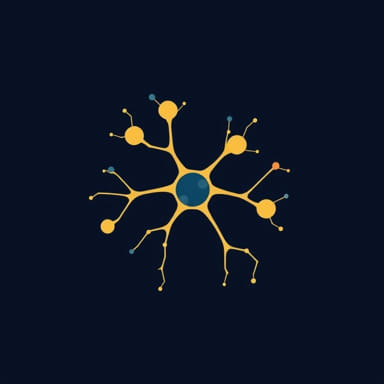
Gamma-Aminobutyric Acid, commonly known as GABA, is a chemical found in the brain that plays a crucial role in regulating nervous system activity. People often hear about GABA in the context of mental health, relaxation, and neurological functions, but questions arise whether GABA is actually a neurotransmitter. Understanding GABA’s role in the brain involves exploring how it functions, its classification, and its importance in maintaining a balanced nervous system. This topic delves into what GABA is, how it works, and why it is considered one of the key neurotransmitters in human physiology.
What is GABA?
GABA is a naturally occurring amino acid that acts as a chemical messenger in the central nervous system. It is synthesized in the brain from glutamate, another neurotransmitter, through a specific enzymatic reaction. GABA primarily serves as an inhibitory neurotransmitter, meaning it reduces the activity of neurons to which it binds. This calming effect helps balance neural excitation and prevents overstimulation, which is essential for proper brain function.
Chemical Structure and Properties
GABA’s chemical formula is C4H9NO2, and it belongs to the class of molecules known as amino acids, although it does not participate in protein synthesis. Its molecular structure allows it to bind to specific receptors on nerve cells, triggering inhibitory effects that modulate neuronal firing and communication.
Is GABA a Neurotransmitter?
Yes, GABA is widely recognized as a major inhibitory neurotransmitter in the mammalian brain. A neurotransmitter is a chemical substance that transmits signals across a synapse from one neuron to another. GABA fits this definition perfectly by transmitting inhibitory signals that reduce neuronal excitability.
Role as an Inhibitory Neurotransmitter
GABA’s main function is to decrease the likelihood that a neuron will fire an action potential, which is the electrical signal neurons use to communicate. This inhibitory effect helps maintain balance within the nervous system, preventing excessive firing that can lead to anxiety, seizures, and other neurological issues.
Types of GABA Receptors
- GABA-A ReceptorsThese are ionotropic receptors that function as chloride ion channels. When GABA binds to GABA-A receptors, chloride ions enter the neuron, making it more negatively charged and less likely to fire.
- GABA-B ReceptorsThese are metabotropic receptors linked to G-proteins. Activation of GABA-B receptors causes slower, longer-lasting inhibitory effects by modulating ion channels indirectly through intracellular signaling pathways.
- GABA-C ReceptorsLess common and primarily found in the retina, these ionotropic receptors are similar to GABA-A but have distinct pharmacological properties.
How Does GABA Work in the Brain?
GABA’s inhibitory action is essential for regulating many brain functions, including mood, sleep, muscle tone, and cognition. It acts like a brake that controls the speed and intensity of neuronal signaling.
Balancing Excitation and Inhibition
The brain contains excitatory neurotransmitters, like glutamate, which increase neuronal activity, and inhibitory neurotransmitters, like GABA, which reduce activity. A healthy balance between these systems is vital for normal brain function, learning, and memory.
GABA and Anxiety
Low levels or impaired functioning of GABA have been linked to anxiety disorders, depression, and epilepsy. Many medications used to treat these conditions, such as benzodiazepines, work by enhancing the effects of GABA to promote relaxation and reduce neural excitability.
GABA and Sleep
GABA also plays a critical role in regulating sleep cycles. Increased GABA activity helps induce sleep by inhibiting neurons that promote wakefulness. Some sleep aids target GABA receptors to improve sleep quality.
Sources and Supplementation of GABA
The brain produces GABA naturally, but it can also be influenced by diet and supplements. However, the effectiveness of GABA supplements remains a topic of debate.
Natural Production
The body synthesizes GABA from glutamate via the enzyme glutamate decarboxylase. This process primarily occurs in the neurons of the central nervous system.
GABA Supplements
Many people take GABA supplements to improve relaxation, reduce anxiety, or enhance sleep. While some users report benefits, scientific evidence is mixed. One reason is that GABA may not easily cross the blood-brain barrier, limiting its direct effects on the brain when taken orally.
Dietary Influences
Foods rich in glutamate, such as tomatoes, mushrooms, and certain fermented products, may support the body’s production of GABA. Additionally, lifestyle factors like exercise, meditation, and adequate sleep can influence GABA levels.
Clinical Importance of GABA
Understanding GABA’s role is important in many neurological and psychiatric disorders. Treatments targeting GABAergic systems have been developed for various conditions.
Epilepsy
Epileptic seizures often result from excessive neuronal firing. Enhancing GABAergic inhibition can help prevent seizures by calming overactive neurons. Drugs like vigabatrin and tiagabine increase GABA activity to manage epilepsy.
Anxiety and Mood Disorders
Medications such as benzodiazepines and certain antidepressants act on GABA receptors to alleviate symptoms of anxiety and depression. These drugs modulate GABAergic transmission to restore neural balance.
Other Disorders
GABA dysfunction is implicated in conditions like schizophrenia, Huntington’s disease, and neuropathic pain, highlighting the neurotransmitter’s broad significance in brain health.
GABA is indeed a neurotransmitter, specifically the primary inhibitory neurotransmitter in the human brain. Its function in reducing neuronal excitability is vital for maintaining the balance between excitation and inhibition, which underpins normal brain function, emotional regulation, and physical coordination. GABA’s involvement in anxiety, sleep, epilepsy, and other neurological conditions makes it a key target for many therapeutic interventions. While supplementation may offer some benefits, natural GABA production and lifestyle factors remain central to its role in health. Overall, GABA’s significance as a neurotransmitter is well-established and fundamental to understanding brain physiology and mental wellbeing.