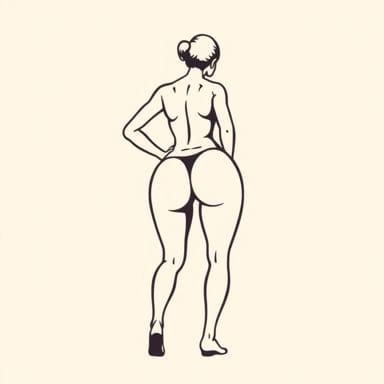
Hip abduction is a movement often highlighted in strength training and glute-focused workouts. Many fitness enthusiasts and beginners alike wonder whether hip abduction exercises are truly effective for targeting the glute muscles, particularly the gluteus medius and gluteus minimus. Performing these exercises correctly can improve hip stability, enhance athletic performance, and contribute to a well-rounded lower body. Understanding the mechanics of hip abduction, its benefits, variations, and proper technique is essential for maximizing glute activation while minimizing the risk of injury.
What is Hip Abduction?
Hip abduction refers to the movement of the leg away from the midline of the body. This motion primarily engages the muscles on the outer portion of the hips and thighs, including the gluteus medius, gluteus minimus, and tensor fasciae latae. Hip abduction is different from hip extension, which involves moving the leg backward, and hip flexion, which involves moving the leg forward. While often overlooked in traditional glute training routines that focus on squats and deadlifts, hip abduction is crucial for lateral strength, balance, and hip stability.
Muscles Targeted by Hip Abduction
When performed correctly, hip abduction exercises effectively target several key muscles in the gluteal region
- Gluteus mediusLocated on the side of the hip, this muscle is essential for hip stabilization and lateral leg movement.
- Gluteus minimusA smaller muscle underneath the gluteus medius that assists in hip abduction and rotation.
- Tensor fasciae latae (TFL)A muscle on the outer thigh that works in conjunction with the glutes to move the leg outward.
Engaging these muscles not only improves the shape and tone of the glutes but also supports joint health and overall functional movement patterns.
Benefits of Hip Abduction for Glutes
Incorporating hip abduction exercises into a workout routine offers multiple advantages for the glutes and overall lower body function
Enhanced Glute Activation
Hip abduction isolates the gluteus medius and minimus, muscles that are often underactive in individuals who primarily perform squats or lunges. Strengthening these muscles contributes to a fuller, more rounded appearance of the glutes and enhances the overall strength of the hip region.
Improved Hip Stability
Strong abductors stabilize the pelvis during walking, running, and single-leg activities. This stability reduces the risk of injuries such as iliotibial band syndrome, knee pain, and lower back strain. Hip abduction exercises ensure balanced development of the glute muscles, promoting proper movement patterns.
Enhanced Athletic Performance
Athletes often benefit from hip abduction training because it improves lateral movements, agility, and balance. Sports like soccer, basketball, and tennis require quick side-to-side movements, and strong hip abductors help prevent injuries while enhancing performance.
Reduced Risk of Lower Back Pain
Weak glute muscles can lead to compensatory movements in the lower back and hips, contributing to pain and discomfort. Hip abduction exercises strengthen the gluteal stabilizers, which support the pelvis and spine, reducing stress on the lower back.
Common Hip Abduction Exercises for Glutes
There are several effective exercises designed to target the glute muscles through hip abduction. Each variation can be performed with or without resistance, depending on fitness level and training goals.
Side-Lying Leg Raises
Side-lying leg raises are a classic bodyweight exercise for the gluteus medius and minimus. To perform
- Lie on one side with legs extended and stacked.
- Keep your core engaged and lift the top leg slowly toward the ceiling.
- Lower it back down with control.
- Repeat for the desired number of repetitions before switching sides.
Standing Cable Hip Abduction
This variation uses a cable machine to add resistance and increase intensity
- Attach an ankle strap to a low cable pulley.
- Stand sideways to the machine, keeping the leg closest to the pulley anchored.
- Move the outer leg away from the body in a controlled motion.
- Slowly return to the starting position and repeat.
Resistance Band Lateral Walks
Resistance band lateral walks are excellent for activating the gluteus medius during dynamic movement
- Place a resistance band around your thighs, just above the knees.
- Bend the knees slightly and take small side steps while maintaining tension on the band.
- Walk laterally for several steps in one direction, then reverse.
Clamshells
Clamshells are a targeted isolation exercise for the gluteus medius
- Lie on your side with knees bent at 90 degrees.
- Keep feet together and lift the top knee while keeping hips stable.
- Lower the knee back down slowly and repeat for repetitions.
Tips for Maximizing Glute Activation
To ensure hip abduction exercises effectively target the glutes, consider the following tips
- Focus on controlled movements rather than speed to maintain muscle engagement.
- Engage the core to prevent compensatory movements in the lower back or pelvis.
- Use resistance bands or weights progressively to challenge the muscles.
- Include a variety of hip abduction exercises to target different angles and muscle fibers.
- Combine hip abduction with other glute-focused exercises like squats, lunges, and hip thrusts for comprehensive development.
Common Mistakes to Avoid
Even simple exercises like hip abductions can be less effective if performed incorrectly. Common mistakes include
- Using momentum instead of controlled movements, which reduces glute engagement.
- Allowing the pelvis to tilt or rotate, which shifts the focus away from the glutes.
- Neglecting proper breathing and core engagement, which can compromise stability.
- Overloading with resistance before mastering form, leading to potential injury.
Hip abduction exercises are indeed effective for targeting the glute muscles, particularly the gluteus medius and minimus. Incorporating movements such as side-lying leg raises, clamshells, lateral walks with resistance bands, and cable hip abduction into a workout routine can enhance glute activation, improve hip stability, and support overall lower body function. Proper form, controlled movement, and progressive resistance are key to maximizing benefits and preventing injury. While traditional exercises like squats and deadlifts are excellent for overall glute development, adding hip abduction exercises ensures balanced muscle growth, better aesthetics, and improved athletic performance. By understanding the mechanics and integrating hip abduction thoughtfully into training programs, individuals can achieve stronger, more functional, and well-shaped glutes.