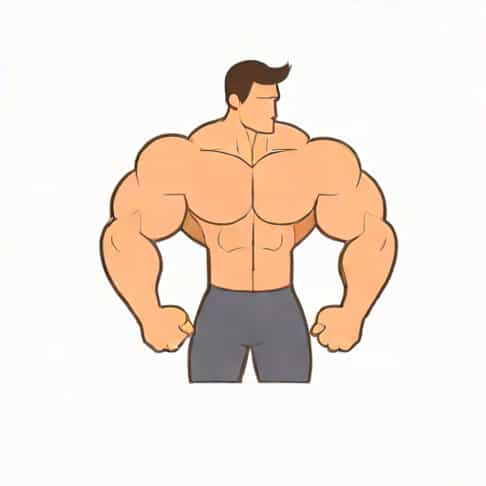
Many people are surprised the first time they notice that even trained, toned muscles can feel soft when not flexed. This observation often leads to questions about muscle structure, tension, and what firmness actually means when it comes to the human body. Understanding whether muscle is supposed to feel soft at rest can clear up common misconceptions about fitness, strength, and body composition. Muscles behave differently when relaxed, flexed, or engaged during various activities, and knowing why can help you better understand your own physique and training progress.
Why Muscles Feel Soft When Not Flexed
Muscles are dynamic tissues designed to contract and relax depending on the body’s needs. When a muscle is not actively contracting, the fibers lengthen and return to a resting state. In this state, your muscles naturally feel softer, even if you are strong or well-trained. Feeling soft at rest is not a sign of weakness; instead, it reflects the normal physiology of skeletal muscle tissue.
Because muscles contain water, connective tissue, and flexible fibers, they do not maintain the same hardness unless they are engaged. A flexed bicep, for example, feels much firmer than a relaxed one because tension causes the fibers to tighten and push outward.
The Physiology Behind Muscle Softness
To understand why muscles feel soft when not flexed, it helps to break down how they work. Muscle fibers are made of proteins called actin and myosin. These proteins interact to create contractions, and the degree of contraction determines how firm the muscle feels.
Relaxed Muscle Fibers
When muscles are at rest, there is minimal cross-bridge formation between actin and myosin. Without these strong connections, the fibers slide loosely against each other, creating a softer texture. This state allows your body to conserve energy while remaining ready for sudden movement.
Flexed or Activated Muscle Fibers
During flexing or resistance exercise, the brain signals motor units to activate. More actin and myosin cross-bridges form, producing tension and shortening of muscle fibers. This is what makes the muscle feel hard, defined, and firm under the skin.
Because the feeling of firmness comes from tension, not from the muscle’s default structure, it is perfectly normal for a strong muscle to feel soft when not flexed.
Is Soft Muscle a Problem?
A common question is whether soft muscles indicate low muscle mass or lack of strength. Fortunately, the answer is usually no. Softness at rest does not reflect muscle quality or fitness level. Even elite athletes have muscles that feel pliable when relaxed.
More important indicators of muscle health include
- Strength performance
- Endurance
- Muscle tone when flexed
- Body fat percentage
If your muscles feel soft but perform well when activated, there is generally nothing to worry about.
How Body Fat Affects Muscle Firmness
One factor that can influence how soft muscle feels at rest is the amount of body fat covering it. Even if you build strong, dense muscle tissue, a layer of subcutaneous fat can create a softer appearance or feel.
This does not mean you lack muscle; it simply means the muscle is not as exposed. People with lower body fat percentages tend to have visibly defined muscles and a firmer feel, even when not flexing. However, the underlying muscle tissue is still soft at rest compared to when it is fully engaged.
Key Points About Body Fat and Muscle Feel
- Higher body fat can make relaxed muscles feel softer.
- Lower body fat creates a firmer overall surface but does not change how muscle behaves internally.
- Firmness at rest is more about body composition than muscle function.
Does Training Make Muscles Harder at Rest?
Resistance training strengthens muscle tissue and can make it feel denser, but not rigid. Over time, trained muscles may feel slightly firmer than untrained ones even when relaxed, thanks to increased muscle mass and reduced fat in the area. However, they will still not feel as hard as when flexed.
Training increases
- Muscle fiber density
- Myofibril thickness
- Neuromuscular efficiency
These changes improve strength and appearance but do not eliminate the natural softness of relaxed muscle tissue.
Understanding Muscle Tone
Muscle tone refers to the low-level, ongoing tension in the muscle when it is at rest. This tension helps maintain posture and readiness for movement. Higher muscle tone may make muscles feel slightly firmer even without flexing, but tone is different from fully contracting the muscle.
People often confuse muscle tone with muscle hardness, but tone is subtle and not always noticeable through touch.
Factors That Influence Muscle Tone
- Genetic differences
- Regular physical activity
- Nervous system function
- Age and hormones
Even with high muscle tone, muscles do not stay rock-hard unless actively flexed.
Why Hard Muscles All the Time Would Be Problematic
It may seem appealing for muscles to feel hard constantly, but this would actually be harmful. Chronic muscle tension would limit mobility, cause strain, and lead to pain or injury. The ability to relax is essential for healthy movement patterns, recovery, and circulation.
If muscles stayed contracted
- You would experience stiffness and reduced range of motion.
- Your body would expend unnecessary energy.
- You would be more prone to muscle fatigue.
- You could develop chronic tension and soreness.
Relaxation is a crucial part of muscle function, and softness at rest reflects a well-regulated, healthy muscular system.
How to Make Muscles Feel Firmer Overall
If your goal is to have muscles that feel firmer in general, improving body composition is often the most effective approach. This means building lean muscle and reducing excess body fat.
Strategies for Firmer Muscles
- Strength trainingHelps increase muscle mass and density.
- Cardio exerciseSupports fat reduction and improved definition.
- Proper nutritionAdequate protein assists with muscle repair and growth.
- HydrationAffects how muscles feel and function.
- Consistent recoveryAllows muscles to repair after training.
While these strategies can lead to a firmer appearance, they do not change the fact that muscles will always feel softer when relaxed compared to when flexed.
Common Misconceptions About Muscle Firmness
Soft muscles mean you’re out of shape.
This is a myth. Fitness level is determined by performance and overall body composition, not the resting feel of your muscles.
A hard stomach means strong abs.
A firm stomach usually indicates low body fat, not necessarily strong abdominal muscles. Even powerful core muscles feel soft when relaxed if body fat is present.
Flexed muscles should stay hard for a long time after exercise.
Pump after exercise can make muscles feel tight and full, but this is temporary. Once blood flow decreases, muscles return to their natural softness.
Muscles are naturally soft when not flexed, and this softness is a sign of normal, healthy muscle function. Firmness occurs only when the muscle fibers contract, which is why even strong athletes have muscles that feel pliable at rest. Factors like body fat, training level, and muscle tone can influence how muscles feel, but they do not override the fundamental physiology behind relaxation and contraction. Understanding this helps clear up misconceptions and encourages a healthier relationship with your body and fitness goals. Feeling soft when relaxed does not mean you lack strengthit’s simply how muscles are designed to work.