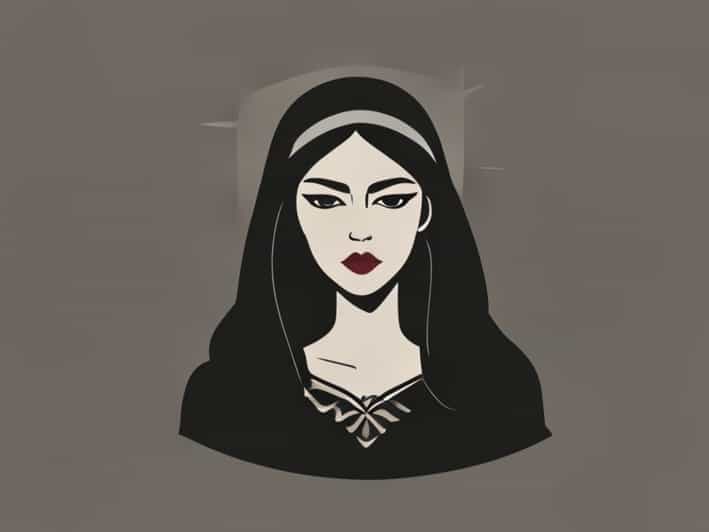
The question Is she a madwoman or a prophet? has fascinated writers, historians, psychologists, and theologians for centuries. It touches upon the complex intersection of mental health, spiritual insight, social perception, and gender dynamics. Throughout history, women who displayed unconventional behavior, visionary experiences, or radical ideas were often labeled as mad by their societies, while in some contexts, the same behaviors were interpreted as signs of prophetic insight or spiritual awakening. Understanding this duality requires exploring historical examples, psychological perspectives, cultural influences, and the ways in which society interprets nonconformity and extraordinary perception in women.
Historical Examples of the Madwoman or Prophet Dilemma
History is replete with women whose actions, words, and visions sparked debate over whether they were madwomen or prophets. Joan of Arc, for instance, claimed to receive divine guidance, leading armies in France and challenging social norms of the 15th century. To some, she was a visionary heroine and prophet, but to others, she was delusional and dangerous. Her trial and execution highlight the tension between spiritual insight and societal interpretation of behavior that deviates from the norm.
Similarly, in literature, characters like Bertha Mason in Charlotte Brontë’sJane Eyreare depicted as madwomen, confined and marginalized, while other female characters in history and fiction are celebrated for visionary or prophetic insight. These contrasting portrayals reveal cultural biases and the challenges women face in being taken seriously when their actions defy social expectations.
Psychological Perspectives
Modern psychology provides a lens through which to understand the madwoman or prophet dilemma. Some behaviors that appear unconventional or visionary may stem from mental health conditions such as bipolar disorder, schizophrenia, or other forms of psychosis. Symptoms such as hallucinations, delusions, or extreme mood swings can lead society to label someone as mad.
However, psychology also recognizes that creativity, intuition, and heightened sensitivity can manifest in ways that may resemble visionary insight. The fine line between madness and prophecy is often influenced by context, social norms, and interpretation. For example, a woman expressing unusual spiritual experiences in a supportive community may be revered as a prophet, while the same experiences in a restrictive society may be pathologized as madness.
Cultural and Gender Influences
Gender has historically shaped how society interprets unconventional behavior in women. Women who challenge traditional roles or claim access to spiritual or intellectual authority have often faced skepticism or hostility. In patriarchal societies, the labeling of women as mad has served to control and marginalize those who threaten social hierarchies. Conversely, women who align their actions with accepted religious or moral frameworks are more likely to be recognized as prophets or visionary figures.
Examples can be found across cultures, from the mystics and shamans in indigenous societies to Christian saints and Islamic female scholars. The same behaviors-visions, prophetic speech, or dissent from conventional norms-are interpreted differently depending on cultural context, gender expectations, and power dynamics.
The Role of Society in Defining Madness and Prophecy
- Social NormsBehavior is often judged against cultural expectations. Actions that conform may be celebrated, while deviation may be pathologized.
- Power StructuresWomen without social or political power are more vulnerable to being labeled mad for expressing autonomy or insight.
- Religious and Spiritual ContextClaims of divine communication are more likely to be accepted within supportive spiritual communities.
- Historical PrecedentHistorical narratives and literary depictions influence contemporary perceptions of women’s behavior.
Madwoman or Prophet in Literature
Literature has long explored the tension between madness and prophecy, particularly in women. In addition to Bertha Mason inJane Eyre, Shakespeare’s plays often include female characters whose insight is dismissed as hysteria or irrationality, despite their wisdom. Virginia Woolf’s works reflect on the social forces that silence and marginalize women who challenge conventional thought, illustrating how society can conflate intelligence and creativity with madness.
Contemporary literature and media continue to explore this theme. Women depicted as visionary or unconventional often face social censure, highlighting the enduring relevance of the question is she mad, or is she perceiving truths that others cannot see? The narrative tension between these interpretations invites readers to reflect on their own assumptions about gender, authority, and the nature of insight.
Philosophical and Spiritual Interpretations
Philosophers and theologians have grappled with the madwoman versus prophet dichotomy. Some argue that extraordinary perception, even when unsettling, is essential for cultural or spiritual advancement. Prophets often challenge established norms, confront injustice, and inspire change. Their experiences may appear irrational or incomprehensible to contemporaries, yet history often vindicates their insights.
From a spiritual perspective, the distinction between madness and prophecy may be more about societal perception than objective reality. A woman experiencing divine or mystical insight may be labeled mad by those who cannot recognize her experience, while her contemporaries or future generations may acknowledge her wisdom and vision.
Ethical and Moral Considerations
- Respecting autonomy Women expressing unconventional thought deserve careful consideration rather than immediate dismissal.
- Balancing safety and freedom Societies must navigate protecting individuals and community while honoring visionary insight.
- Historical revision Reexamining past narratives allows recognition of women wrongly labeled as mad.
Modern Relevance
Today, the question of whether a woman is a madwoman or a prophet remains pertinent in various domains, from mental health to leadership, activism, and spiritual practice. Women challenging societal norms-through political activism, artistic innovation, or spiritual leadership-still encounter skepticism and resistance. Recognizing the historical patterns that have marginalized women helps contemporary society differentiate between pathological behavior and visionary insight.
In addition, modern psychology and neuroscience provide more nuanced understandings of mental health and cognition, enabling society to evaluate behaviors more carefully. However, cultural biases and social expectations continue to influence how women’s insight is perceived, underscoring the importance of ongoing dialogue and critical reflection.
The question Is she a madwoman or a prophet? encapsulates a complex interplay of psychology, culture, gender, and history. Throughout centuries, women who challenged societal norms or demonstrated extraordinary perception have been labeled in contrasting ways, depending on context and interpretation. Understanding this duality requires examining historical examples, psychological insights, cultural expectations, and literary representations. Today, revisiting this question encourages reflection on the ways society values or dismisses unconventional insight, particularly in women. By acknowledging the tension between madness and prophecy, society can better appreciate the contributions of visionary women while remaining sensitive to mental health and individual well-being. The exploration of this question remains relevant, inviting us to question assumptions and recognize the potential for wisdom and insight in voices that may initially appear unconventional or controversial.