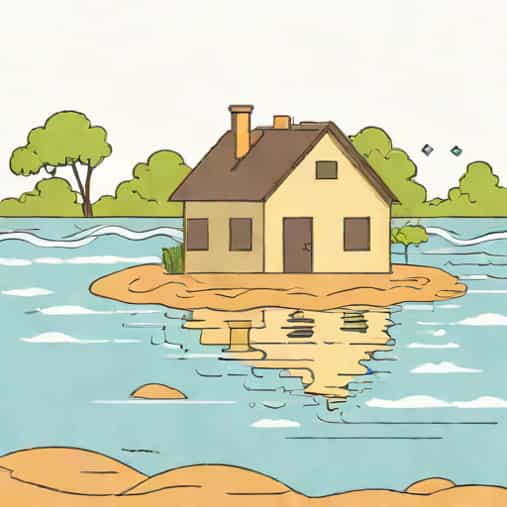
When people ask, is this address in a flood zone, they are usually trying to protect themselves from future risk, unexpected costs, and emotional stress. Flooding is one of the most common natural disasters, and its impact can be devastating for homeowners, renters, and businesses alike. Whether you are buying a new property, renting a home, or simply evaluating where you live, understanding flood zones is a critical step in making informed decisions and planning for the future.
What Does It Mean to Be in a Flood Zone?
A flood zone is a geographic area that has been classified based on its level of flood risk. These zones are typically determined using historical data, rainfall patterns, elevation, and proximity to bodies of water such as rivers, lakes, or coastlines.
When someone asks if an address is in a flood zone, they are essentially asking whether that location has a higher likelihood of experiencing flooding compared to other areas.
Why Flood Zone Information Matters
Knowing whether an address is in a flood zone affects more than just peace of mind. It can influence insurance requirements, property value, building regulations, and even long-term safety.
Flood zone status may determine whether flood insurance is mandatory and how expensive that insurance might be. It can also impact resale value and buyer interest.
Common Reasons People Ask About Flood Zones
The question is this address in a flood zone often comes up during major life decisions. People want clarity before committing financially or emotionally.
- Buying a home or investment property
- Signing a rental agreement
- Refinancing or applying for a mortgage
- Planning renovations or construction
In each case, flood risk plays a significant role in decision-making.
Types of Flood Zones Explained
Flood zones are usually categorized by risk level. While naming conventions vary by country, the general concept remains consistent.
High-Risk Flood Zones
High-risk zones are areas with a significant chance of flooding, often referred to as having a one percent annual chance of flooding. These areas are more likely to experience flood events over time.
Properties in high-risk zones often require flood insurance, especially if financed through a mortgage.
Moderate- to Low-Risk Flood Zones
Moderate- and low-risk zones have a lower chance of flooding but are not completely risk-free. Flooding can still occur due to heavy rainfall, drainage issues, or unexpected weather events.
Many people are surprised to learn that floods can happen outside of high-risk areas.
How Flood Zones Are Determined
Flood zones are mapped using scientific and historical data. Factors such as elevation, slope, soil absorption, and nearby water sources are analyzed to estimate flood probability.
These maps are updated periodically, which means an address that was once outside a flood zone may later be included due to changes in climate, development, or data accuracy.
Is This Address in a Flood Zone? Key Indicators
Even before checking official maps, there are physical and environmental clues that may suggest flood risk. These signs are not definitive, but they can prompt further investigation.
- Proximity to rivers, lakes, or coastal areas
- Low-lying or flat terrain
- Poor drainage or frequent standing water
- History of flooding in the neighborhood
If several of these factors apply, the likelihood of flood risk increases.
Flood Insurance and Financial Impact
One of the biggest concerns tied to flood zones is insurance. Standard homeowners or renters insurance typically does not cover flood damage.
If an address is in a designated flood zone, lenders may require flood insurance as a condition of the loan. Premiums vary based on risk level, elevation, and building characteristics.
Cost Considerations
Flood insurance costs can add significantly to monthly expenses. However, the cost of repairing flood damage without insurance can be far greater.
Understanding flood zone status helps people weigh short-term costs against long-term protection.
Flood Zones and Property Value
Flood risk can influence property value in complex ways. Some buyers may avoid flood zones altogether, while others may accept the risk if the price is right.
In certain areas, flood-resistant construction and mitigation measures can help maintain or even increase property value despite flood zone designation.
Building and Renovation Restrictions
Flood zone designation often comes with building regulations. These rules are designed to reduce damage and improve safety during flood events.
Common requirements may include elevating structures, using flood-resistant materials, or limiting certain types of construction.
Climate Change and Changing Flood Risk
Climate change has increased awareness around flooding. Rising sea levels, stronger storms, and heavier rainfall are altering flood patterns worldwide.
This means the question is this address in a flood zone is becoming more relevant, even for areas that historically had little flood risk.
What to Do If an Address Is in a Flood Zone
Finding out that an address is in a flood zone does not automatically mean it is a bad choice. It simply means extra precautions are necessary.
- Consider flood insurance options
- Review elevation and drainage features
- Ask about past flood history
- Explore mitigation improvements
Being informed allows you to manage risk rather than fear it.
Flood Preparedness and Safety
Regardless of flood zone status, preparedness is essential. Flooding can occur unexpectedly, and having a plan reduces damage and stress.
This includes knowing evacuation routes, protecting important documents, and understanding local emergency procedures.
Common Misconceptions About Flood Zones
Many people assume that only homes in designated flood zones can flood. In reality, flooding can occur almost anywhere under the right conditions.
Another misconception is that flood zones never change. In fact, maps are updated, and development or environmental changes can alter risk levels.
Asking the Right Questions Before Moving Forward
When evaluating a property, asking is this address in a flood zone should be part of a broader set of questions about safety, cost, and long-term sustainability.
Combining flood zone information with local knowledge and professional advice leads to better decisions.
Flood Zone Awareness
The question is this address in a flood zone is not just about maps or labels. It is about understanding risk, responsibility, and preparedness.
By learning how flood zones work and why they matter, individuals can make smarter choices about where they live or invest. Awareness does not eliminate risk, but it empowers people to plan effectively and protect what matters most.