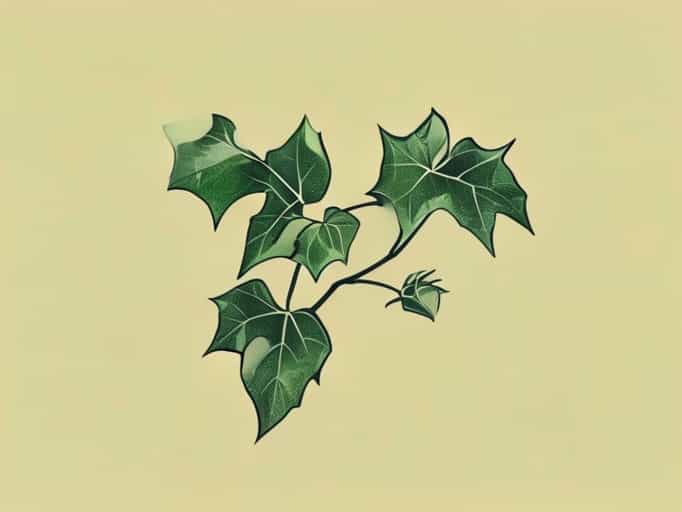
Virginia creeper is a plant that many people recognize climbing up fences, trellises, and the sides of buildings. Its fast growth and attractive foliage make it popular in gardens and landscapes. However, despite being visually appealing, some people wonder whether this vigorous vine is safe to handle. The question often arises because it is sometimes confused with poison ivy, especially since both plants can grow in similar environments and have somewhat similar leaf patterns. Understanding whether Virginia creeper is poisonous is important for gardeners, hikers, homeowners, and anyone who spends time outdoors.
Identifying Virginia Creeper
Virginia creeper is a deciduous climbing vine known scientifically asParthenocissus quinquefolia. It grows quickly and attaches itself to surfaces using small adhesive tendrils. One of the easiest ways to identify it is by its leaves. Virginia creeper has leaves made up of five leaflets, which is a distinguishing trait. Many people confuse it with poison ivy, which usually has leaves of three. Remembering the common saying leaves of three, let it be can help prevent misidentification.
Is Virginia Creeper Poisonous?
Virginia creeper is considered mildly toxic to humans and pets. The vine contains oxalate crystals, which can cause irritation if the sap comes into contact with the skin. However, it is generally not as irritating as poison ivy or poison oak. The most significant concern comes from the berries produced by the plant. These berries are not safe to eat and can be harmful if ingested.
Where the Toxicity Comes From
The toxicity of Virginia creeper primarily comes from substances called raphide crystals, which are a form of calcium oxalate. These tiny needle-like crystals are present in many plant species and can cause mouth and throat irritation if eaten. Although most adults are unlikely to consume the plant intentionally, children or pets might be attracted to the colorful berries in late summer and fall.
Effects on Humans
For most people, touching Virginia creeper does not cause significant skin irritation. However, some individuals with sensitive skin may experience redness, itching, or a mild rash after handling the plant, particularly when cutting or pruning the vine where the sap is exposed. Washing the skin with soap and water after working with the plant can help prevent irritation.
Ingesting the Berries
If someone eats the berries of Virginia creeper, symptoms may include
- Burning sensation in the mouth
- Nausea or vomiting
- Stomach discomfort
- Difficulty swallowing (in severe cases)
Medical attention should be sought if a large amount of the berries are consumed or if symptoms persist or worsen.
Effects on Pets and Wildlife
Pets, particularly dogs and cats, may be curious about the vine or berries. Ingesting the plant may cause mouth irritation or digestive upset. While wildlife such as birds can eat the berries without harm, pet owners should keep an eye on their animals and prevent them from eating plant parts when possible.
Difference Between Virginia Creeper and Poison Ivy
One of the most important distinctions to know is how Virginia creeper differs from poison ivy. While both plants climb and grow in similar environments, there are clear identifying characteristics
- Virginia CreeperFive leaflets per leaf grouping.
- Poison IvyThree leaflets per leaf grouping.
- Virginia CreeperSmall blue-black berries in clusters.
- Poison IvyWhite or off-white berries.
Poison ivy contains urushiol oil, which can cause severe and painful rashes. Virginia creeper does not contain urushiol, which means the skin reaction is usually far milder if it occurs at all.
Should You Remove Virginia Creeper?
Whether or not to remove Virginia creeper depends on personal preference and where the plant is growing. It can be a beautiful addition to a garden, especially on walls or fences where it creates lush greenery. However, it can also grow aggressively and may damage wood surfaces, siding, or roofing if allowed to climb unchecked.
When Removal is a Good Idea
Consider removing the plant if
- It is growing where pets or children play regularly.
- It is climbing on structures that could be damaged.
- You prefer not to manage fast-growing vines.
How to Handle Virginia Creeper Safely
If you choose to plant, prune, or remove Virginia creeper, wearing gloves is recommended. This helps avoid skin irritation from the sap. Disposal of cuttings should be done carefully, and never burn the plant, as this can release irritating compounds into the air.
Can Virginia Creeper Be Used in Landscaping?
Despite its mild toxicity, Virginia creeper is commonly used in landscaping. Its striking red fall color and ability to cover unattractive surfaces quickly make it appealing to gardeners. It also provides habitat and food for wildlife, helping support local ecosystems.
However, regular maintenance is key. Without pruning, the vine can overwhelm other plants or spread beyond the intended area.
So, is Virginia creeper poisonous? It can be, but primarily if ingested. The plant contains substances that can cause irritation, especially in the berries. Most people can handle the vine without serious issues, although individuals with sensitive skin may experience mild reactions. When compared to highly irritating plants like poison ivy, Virginia creeper is less harmful, though caution is still recommended. With proper care and awareness, it can be a safe and beautiful addition to many home landscapes.