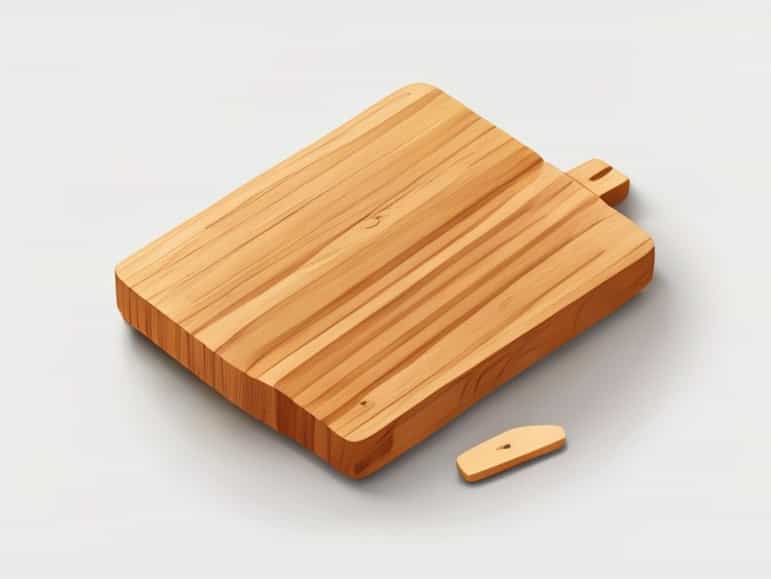
Choosing the right cutting board is an essential decision for anyone who enjoys cooking. Among the many options available, wood cutting boards are often highly praised for their durability, aesthetics, and performance. However, the question remains is wood truly the best cutting board? To answer this, we need to consider various factors including hygiene, maintenance, longevity, and how different materials impact knives and food preparation. By examining the advantages and drawbacks of wooden cutting boards compared to alternatives like plastic, bamboo, or composite boards, we can better understand why many chefs and home cooks prefer wood in the kitchen.
Advantages of Wood Cutting Boards
Knife-Friendly Surface
One of the main reasons chefs often prefer wooden cutting boards is that they are gentle on knives. Wood has a natural resilience that absorbs some of the impact from cutting, which helps maintain the sharpness of knife edges. In contrast, harder surfaces like glass or ceramic can quickly dull blades, making wood a preferred choice for preserving kitchen tools.
Durability and Longevity
Wooden cutting boards, especially those made from hardwoods like maple, walnut, or cherry, are incredibly durable. With proper care, a good wooden board can last decades. End-grain cutting boards, where the wood fibers are oriented vertically, are particularly durable and self-healing. Small cuts in the wood tend to close up over time, reducing the accumulation of bacteria and extending the board’s usable life.
Natural Antibacterial Properties
Research has shown that wood has natural antibacterial properties. Certain types of hardwoods can inhibit the growth of bacteria like E. coli and Salmonella. This makes wooden boards a safe choice when prepared and maintained properly. Regular cleaning and oiling ensure that the surface remains hygienic and less prone to harboring harmful microbes.
Aesthetic Appeal
Wood cutting boards also offer an aesthetic advantage. They provide a warm, natural look that enhances kitchen décor and can double as a serving board for cheese, charcuterie, or bread. Many people appreciate the craftsmanship of a well-made wooden board, making it both functional and visually appealing.
Considerations When Using Wood Cutting Boards
Maintenance Requirements
Unlike plastic or composite boards, wood requires regular maintenance. Wooden boards need to be hand-washed with mild soap and warm water and should never be soaked or put in a dishwasher. Periodic oiling with food-safe mineral oil is necessary to prevent cracking, warping, or drying out. While this maintenance ensures the board’s longevity, it may be a drawback for users seeking low-maintenance options.
Potential for Staining and Odor Absorption
Wooden boards can absorb strong odors or become stained from foods like beets, garlic, or turmeric. While this does not necessarily affect safety, it may impact appearance or flavor transfer between foods. Cutting boards made from plastic or composite materials can be easier to clean in this respect, but they often compromise on other qualities such as knife-friendliness.
Weight and Storage
Wood cutting boards tend to be heavier than their plastic counterparts, especially end-grain boards. This weight can make them less convenient to move or store. However, the stability of a heavier board can also improve cutting safety, reducing slipping during food preparation.
Comparing Wood to Other Materials
Plastic Cutting Boards
Plastic boards are lightweight, inexpensive, and often dishwasher-safe, making them convenient and easy to sanitize. However, they are more prone to deep knife grooves, which can harbor bacteria if not properly cleaned. Additionally, plastic boards tend to dull knives faster than wood and may not last as long under heavy use.
Bamboo Cutting Boards
Bamboo is often marketed as an eco-friendly alternative to wood. It is harder than many hardwoods, making it durable, but this hardness can also be harsher on knives. Bamboo boards are less porous than wood, reducing their susceptibility to moisture and bacterial growth, but they may be prone to splitting over time if not properly maintained.
Composite and Synthetic Boards
Composite boards made from resin, recycled paper, or other synthetic materials can combine durability with lower maintenance. They are often knife-friendly and resistant to warping, but they can lack the natural aesthetic appeal of wood. High-end composites can be expensive and may still require specific care to maintain their performance.
Tips for Choosing the Best Wood Cutting Board
Consider the Wood Type
Hardwoods such as maple, walnut, cherry, and teak are ideal for cutting boards. They provide durability, resistance to knife marks, and natural antibacterial properties. Softer woods may not be as durable and can show wear quickly.
End-Grain vs. Edge-Grain
End-grain boards, where the wood fibers run vertically, are generally the most knife-friendly and durable. Edge-grain boards, with horizontal fibers, are more common and often less expensive, but they may show cuts and wear more readily.
Size and Thickness
Select a board size that fits your kitchen workspace and matches your cooking needs. Thicker boards provide stability and longevity but can be heavier. A medium-thickness board balances portability with durability.
Maintenance Plan
Consider how much time you are willing to spend on cleaning and oiling your board. Regular maintenance ensures a longer lifespan and safer food preparation but requires commitment.
Wood cutting boards offer numerous benefits, including being gentle on knives, aesthetically pleasing, durable, and naturally antibacterial. While they require regular maintenance and can absorb stains or odors, the advantages often outweigh the drawbacks for both home cooks and professional chefs. Compared to plastic, bamboo, or composite boards, wood provides a balanced combination of performance, longevity, and beauty. Choosing a high-quality hardwood board, preferably end-grain, ensures that it will serve as a reliable and versatile tool in the kitchen for many years. For those who value durability, knife preservation, and visual appeal, wood is arguably the best cutting board material available.